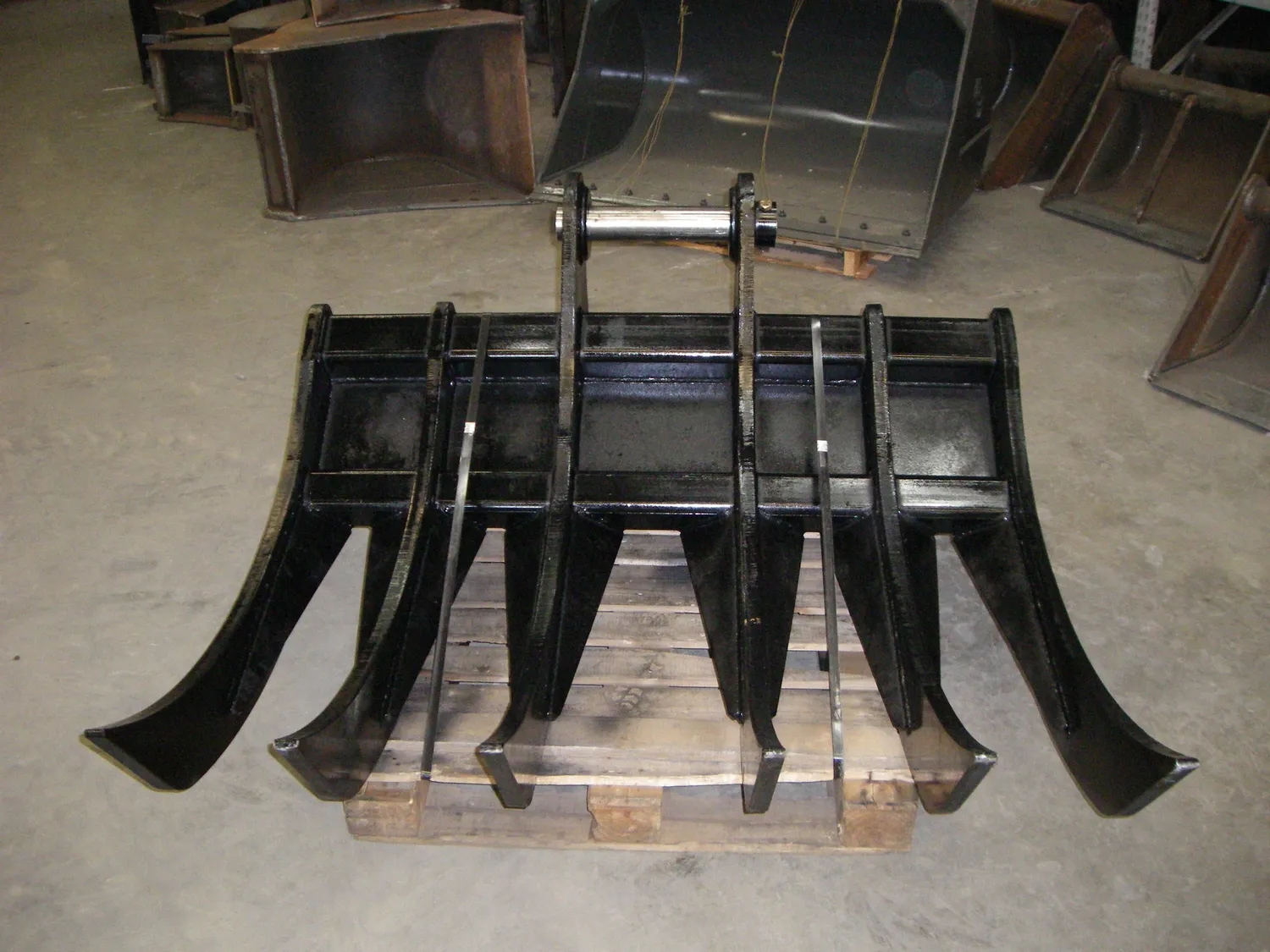
Excavators are among the most versatile machines on construction sites, capable of performing digging, grading, lifting, and demolition tasks. However, to maximize their efficiency, excavators rely on a wide range of attachments designed for specific functions. One such attachment is the excavator rake, a tool engineered to enhance land clearing, grading, and material management operations. Excavator rakes improve precision, reduce manual labor, and expand the versatility of the machine, making them indispensable for contractors, landscapers, and forestry operators alike.
What an Excavator Rake Does
An excavator rake is an attachment designed to sift, level, and organize soil, debris, and other materials on a work site. Unlike a bucket that scoops or lifts materials, a rake allows an operator to comb through the terrain, remove unwanted debris, and separate rocks, roots, and other obstructions from soil or gravel. This capability is particularly useful in landscaping, construction site preparation, road maintenance, and forestry applications.
The rake’s tines or teeth are spaced strategically to allow finer material to fall through while retaining larger rocks, logs, or debris for removal. This makes excavator rakes ideal for tasks that require precise grading or site cleanup without disturbing usable soil or creating unnecessary waste. In addition, rakes can help in leveling uneven surfaces, improving the quality of the work site and preparing it for subsequent construction or landscaping tasks.
Types of Excavator Rakes
Excavator rakes come in various designs, each suited to specific applications. Standard land clearing rakes feature widely spaced teeth designed to gather branches, brush, and roots while allowing soil to pass through. These rakes are common in forestry operations, trail maintenance, and large-scale landscaping projects where clearing vegetation is a priority.
Rock rakes are reinforced for durability and equipped with sturdier teeth to handle heavier debris such as stones, concrete chunks, and construction waste. They are frequently used on construction sites where grading and site preparation require sorting and removing abrasive materials.
Landscaping rakes focus on precision and surface leveling. These attachments often have adjustable angles and finer teeth, allowing operators to shape soil beds, spread gravel, and prepare areas for planting or hardscaping. Some landscaping rakes also feature hydraulically controlled tilting mechanisms, which increase efficiency in contouring and grading operations.
Multi-purpose rakes combine features from various designs, offering flexibility for contractors who handle a mixture of debris, soil, and rocks. These rakes may include reinforced tips, adjustable spacing, and tilt capabilities to adapt to different types of work without requiring multiple attachments.
Construction and Durability
Excavator rakes are built to withstand the challenges of demanding work environments. High-strength steel construction ensures durability while maintaining a manageable weight for efficient operation. Reinforced tines and pivot points resist bending and wear, even when handling dense or abrasive materials.
Hydraulic rakes, which offer tilt or rotation capabilities, include robust cylinders and protected hydraulic lines to maintain consistent performance under stress. Precision machining of joints and welds ensures smooth operation, while protective coatings reduce the effects of corrosion from soil, moisture, and outdoor exposure.
The durability of an excavator rake directly impacts productivity. A well-constructed rake allows operators to work longer without interruptions due to maintenance, while wear-resistant materials extend service life. Replaceable tines and other components provide cost-effective solutions for maintaining optimal performance without replacing the entire attachment.
Applications in Construction and Landscaping
Excavator rakes are widely used across industries that require site preparation, debris management, and grading. In construction, rakes help clear lots, remove rocks, roots, and rubble, and create level surfaces for foundations, roadways, or landscaping projects. They allow contractors to prepare sites faster and with greater precision than manual methods or basic bucket attachments.
In landscaping, excavator rakes enable efficient soil leveling, rock removal, and grading for gardens, parks, trails, and sports fields. They help create smooth, even surfaces while allowing debris to be collected and removed quickly. The ability to shape and contour land with precision ensures that landscaping projects meet aesthetic and functional standards.
Forestry and land management operations also benefit from rakes, especially for clearing brush, removing tree roots, and preparing firebreaks. Excavator rakes reduce the need for manual labor in dense or hazardous environments, improving safety and productivity.
Recycling and demolition sites may use heavy-duty rakes to sift through mixed debris, separating valuable materials from unwanted waste. This function improves sorting efficiency and supports recycling efforts by allowing operators to collect metal, concrete, and other recyclable items while leaving soil and smaller debris behind.
Choosing the Right Excavator Rake
Selecting the appropriate excavator rake depends on factors such as machine size, work environment, and task requirements. Tooth spacing, tine strength, and hydraulic functionality are key considerations. A light-duty rake with narrow tines may be ideal for precision landscaping, while heavy-duty rakes with reinforced teeth are necessary for construction or demolition applications.
Tilt or rotating rakes may be preferred in sites that require contouring, precise grading, or handling of irregular terrain. Adjustability increases the versatility of the attachment, allowing operators to adapt to changing conditions without switching tools frequently.
It is also essential to match the rake to the excavator’s size and hydraulic capabilities. Overloading a machine with an attachment that exceeds its lift or hydraulic capacity can reduce efficiency and increase wear. Equipment specifications should be reviewed to ensure compatibility and safe operation.
Maintenance and Longevity
Maintaining an excavator rake is critical to ensuring long-term performance and reliability. Regular inspections for wear, bending, or damage help identify components that need replacement before they affect productivity. Lubricating pivot points, checking hydraulic connections, and cleaning debris from teeth and joints are simple steps that prevent excessive wear.
Protective coatings and proper storage reduce the risk of corrosion, particularly in environments with moisture or chemical exposure. Replaceable tines allow operators to maintain the rake without replacing the entire attachment, providing cost savings and minimizing downtime. A well-maintained rake ensures that the excavator performs at peak efficiency across a range of tasks.
Enhancing Productivity with Excavator Rakes
Excavator rakes enhance productivity by allowing a single machine to perform multiple tasks efficiently. Clearing land, separating debris, leveling surfaces, and grading materials can all be accomplished with precision and speed. The rake reduces the need for manual sorting and handling, which accelerates project timelines and reduces labor costs.
Operators can handle irregular materials more effectively with a rake than with a bucket alone. This improves overall site organization and allows subsequent construction, landscaping, or recycling tasks to proceed without interruption. In many projects, the addition of an excavator rake can mean the difference between a smooth workflow and costly delays.
Conclusion
Excavator rakes are versatile, durable, and essential attachments for modern construction, landscaping, forestry, and demolition operations. By allowing operators to clear debris, grade surfaces, and separate materials efficiently, rakes expand the capabilities of mini and full-size excavators. Choosing the right rake, maintaining it properly, and matching it to specific tasks ensures that machines perform safely and efficiently.
From shaping land for landscaping projects to preparing construction sites and managing forestry debris, the excavator rake continues to be an indispensable tool in industries that rely on precision, efficiency, and durability. Investing in a high-quality rake enhances productivity, reduces labor demands, and improves overall site management, making it a practical and valuable attachment for any excavator fleet.