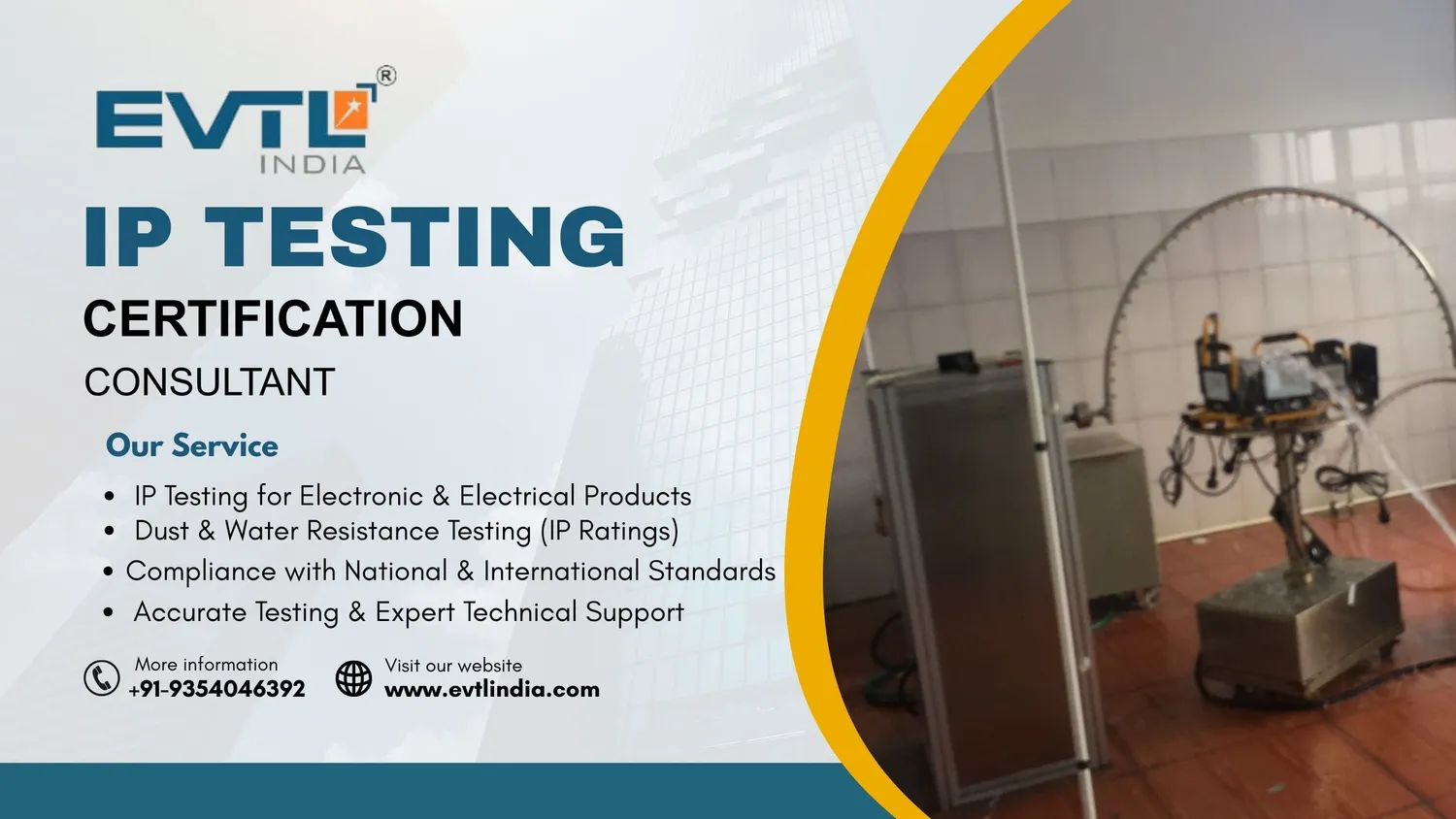
In today’s competitive and compliance-driven market, ensuring product durability and safety is essential—especially for electrical and electronic equipment exposed to environmental conditions. One of the most critical ways to assess this protection is through IP rating testing, which evaluates how well a product resists dust and water intrusion.
What is an IP Rating?
An IP (Ingress Protection) rating is an internationally recognized standard that defines the degree of protection provided by an enclosure against solid objects (like dust) and liquids (like water). This system is governed by the IEC 60529 standard, which outlines the testing methods and classification criteria.
An IP rating typically consists of two digits:
- The first digit indicates protection against solid particles such as dust.
- The second digit represents protection against water.
For example, an IP65-rated product is completely protected against dust and can withstand low-pressure water jets from any direction.
Importance of Ingress Protection Testing
Ingress Protection testing plays a vital role in ensuring that products perform reliably in various environments. Whether it's industrial machinery, consumer electronics, lighting fixtures, or automotive components, exposure to dust and moisture can significantly impact performance and safety.
By undergoing proper IP testing, manufacturers can:
- Enhance product reliability and lifespan
- Ensure compliance with safety regulations
- Build customer trust and brand credibility
- Avoid product failures and costly recalls
Dust and Water Protection Testing
Dust and water protection are tested separately under controlled conditions in specialized laboratories.
Dust Testing:
Products are placed in a dust chamber where fine particles are circulated under vacuum or pressure conditions. The aim is to check whether dust can penetrate the enclosure and affect internal components.
Water Testing:
Water resistance is tested using different methods depending on the rating required. These include dripping water, spraying, splashing, and even immersion tests. Each level simulates real-world scenarios such as rain, washing, or accidental submersion.
IP Rating Test Process
The IP rating test process involves several steps to ensure accurate and reliable results:
- Product Assessment: Understanding the product’s application and required protection level.
- Test Selection: Choosing appropriate tests based on desired IP rating.
- Laboratory Testing: Conducting dust and water tests in a certified IP test laboratory.
- Evaluation: Analyzing whether the product meets the required protection criteria.
- Certification: Issuing test reports and certification for compliance and marketing purposes.
IP Rating Testing in India
With increasing regulatory requirements and consumer awareness, IP rating testing in India has become more important than ever. Industries such as electronics, telecommunications, automotive, and manufacturing rely heavily on certified testing services.
Indian manufacturers must comply with both domestic and international standards to compete globally. As a result, many companies are turning to professional IP testing services to ensure their products meet the required benchmarks.
Role of IP Test Laboratories
An IP test laboratory is equipped with advanced tools and controlled environments to simulate various conditions of dust and water exposure. These labs follow strict guidelines as per IEC standards to ensure accurate results.
Key features of a reliable IP testing laboratory include:
- Calibrated dust chambers and water testing equipment
- Experienced technical experts
- Compliance with international standards
- Detailed test reports and documentation
Choosing the right laboratory is crucial for obtaining valid and globally accepted test results.
Applications of IP Testing
IP rating tests are essential across multiple industries, including:
- Consumer electronics (mobile phones, smartwatches)
- Industrial equipment and machinery
- Outdoor lighting and electrical enclosures
- Automotive components
- Medical devices
Each application requires a specific level of protection depending on environmental exposure.
Benefits of IP Testing Services
Professional IP testing services offer several advantages:
- Expert guidance on selecting the right IP rating
- Accurate and reliable testing procedures
- Faster certification process
- Support with compliance and documentation
These services help manufacturers streamline their product development and approval processes.
Conclusion
EVTL India is one of the leading BIS Consultant in India , helping manufacturers obtain their BIS licences hassle-free. IP rating testing is a critical aspect of product quality and safety, ensuring protection against dust and water under real-world conditions. By adhering to IEC 60529 standards and conducting proper ingress protection testing, manufacturers can enhance product performance, meet regulatory requirements, and gain a competitive edge in the market.
As demand for durable and reliable products continues to grow, investing in professional IP testing services and certified laboratories is no longer optional—it’s a necessity for long-term success.