The German Shepherd is a highly intelligent, loyal, and protective dog. It's also a highly trainable breed with expert levels of obedience training.
These traits make them great working dogs for herding and security duties.
They are also good with children if they have been socialized and trained early on.
If you plan to have a German Shepherd as a pet, here is a list of everything you should know about them before you have them as pets.

Size
A typical German Shepheard stands about 17 inches tall at the withers. They weigh about 50 pounds at six months and will reach their full adult height by three years.
The size of your dog will depend a lot on its genetic background. A purebred will generally be the same size as its parents, but dogs with mixed ancestry are usually slightly larger or smaller than their averages.
Males Shepherds tend to be a bit larger than females when they're fully grown. The average adult size for a male GSD is 24-26" at the shoulder blade, while a female should be 22-24".
It's important to keep your puppy at a healthy weight as they grow. They'll continue to fill out during their first year, but be careful not to let them get too fat.
Energy
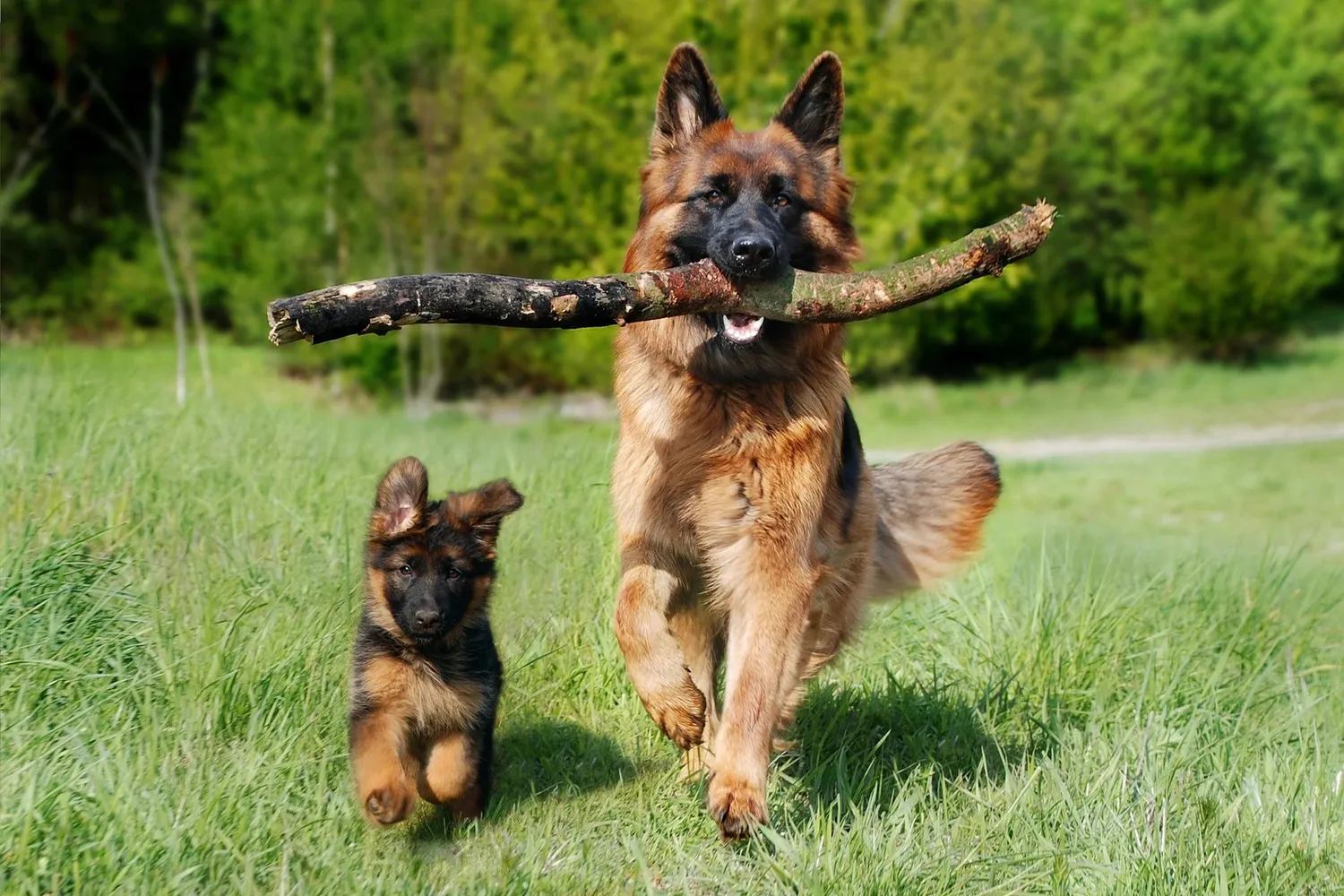
This breed is a whip-smart and energetic dog and requires mental and physical exercise to thrive. A brisk daily walk will get your GSD moving and tire him out, and he'll also benefit from playtime with ball or frisbee (check out more tips for high-energy dogs here).
The German Shepherd is an intelligent, alert breed working hard to please its master. This quality makes them ideal for professional dog roles like guide dogs, police and military service dogs, guard dogs, sheepdogs, and search and rescue dogs.
They're also incredibly loyal, making them great companions for children and the elderly. Be sure your dog is well-socialized and properly trained from an early age to ensure they aren't prone to aggression.
They can also be protective of their family and wary of intruders, so they have ample mental and physical energy outlets to prevent barking out of frustration. However, a German Shepherd is a big commitment, and you should consider your lifestyle before adopting one.
Health
German shepherds are generally healthy dogs, but like all breeds, they can be prone to certain health conditions. In addition, some diseases are hereditary, while others can be prevented with responsible breeding practices.
Gastric Dilatation and Volvulus (GDV), also known as bloat, is one of the most common problems in large dogs with deep chests. It occurs when the stomach twists on itself, filling with air or gas and cutting off blood flow to the stomach and spleen.
Epilepsy is another inherited problem that can be a concern for GSDs. Various things, including a brain tumor, organ failure, or an infection, can trigger seizures.
Degenerative Myelopathy is a genetic disorder that causes weakness in the rear legs and can eventually lead to paralysis. This condition is typically diagnosed postmortem, but it can be treated if detected early. So if you notice your dog having trouble jumping up, walking around, or using their back legs, call us immediately for help! Check out here to learn more about german shepherds.
Training
German shepherds are intelligent dogs that can be taught a variety of commands. Training them is important to their well-being and safety, as it helps prevent behavioral issues and ensures they can perform in all environments.
The first thing to do when you're ready to train your dog is to introduce basic obedience commands, such as sit and heel. Teaching these is simple if you follow the clicker training method and focus on positive reinforcement.
Using this method, you can learn the basics of dog training quickly and keep sessions fun and happy. You can also give your dog breaks and a reward between lessons to ensure they stay motivated.
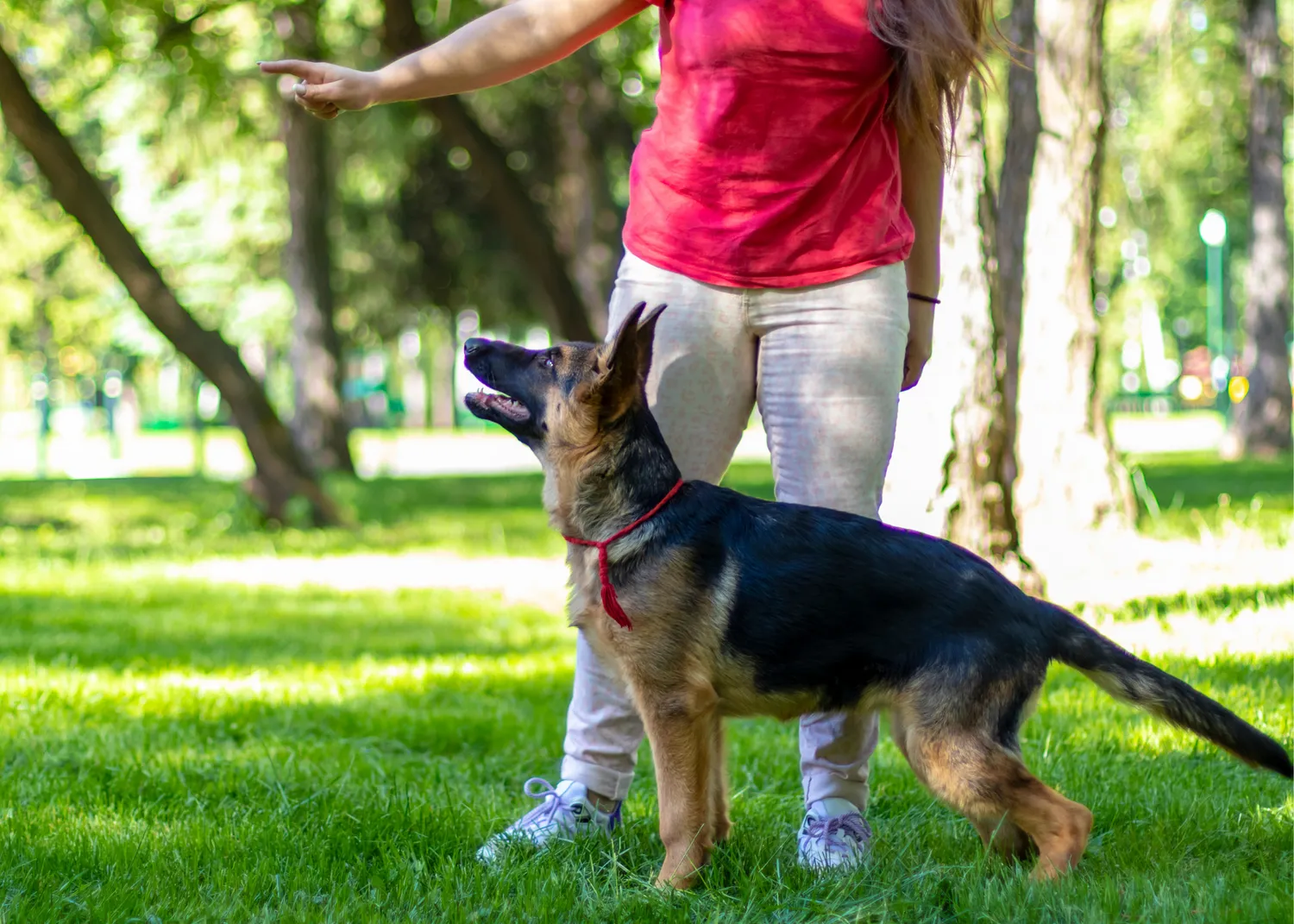
German shepherds are highly protective and aggressive by nature, so it is imperative to socialize them early on. This will help them build trust with other people and animals in their lives and protect them from becoming overwhelmed by new situations.