Introduction:
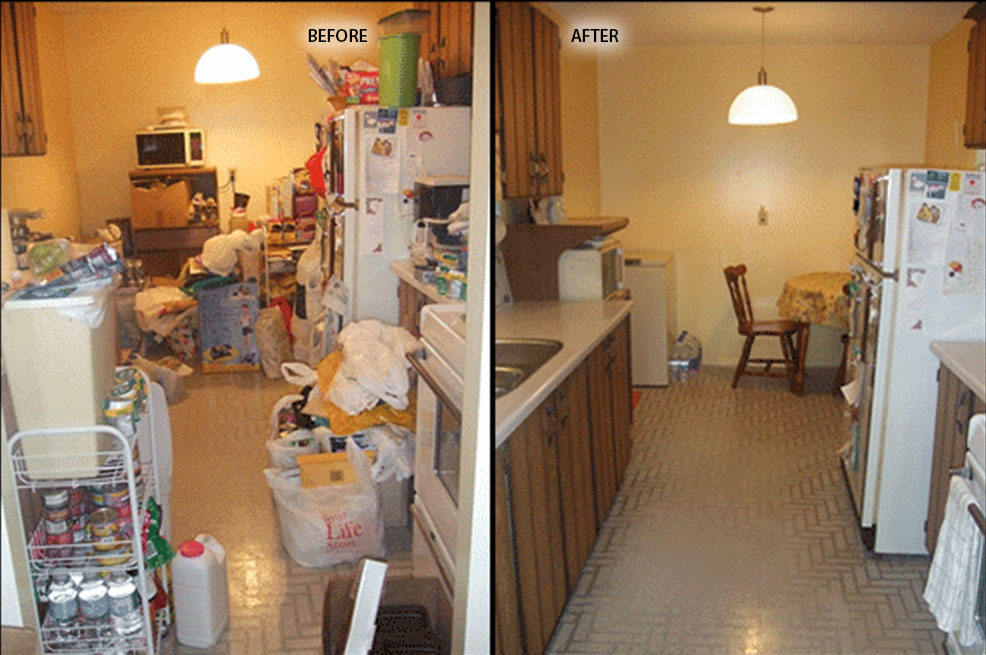
Cleaning a hoarder's house is a sensitive and complex task that requires a unique approach characterized by empathy, patience, and strategic planning. Hoarding disorder poses challenges that extend beyond standard cleaning practices, and understanding the nuances of this condition is crucial for an effective and compassionate cleanup. In this article, we'll provide a guide on how to clean a hoarder's house, addressing the intricacies involved in the process.
- Develop a Comprehensive Plan: Before diving into the cleanup, it's essential to develop a comprehensive plan. Assess the entire scope of the hoarding situation, categorize areas based on clutter severity, and prioritize spaces that pose immediate health and safety risks. A well-thought-out plan will guide the cleaning process and ensure a systematic approach.
- Assemble a Supportive Team: Cleaning a hoarder's house is not a task for one person alone. Assemble a supportive team that includes professionals experienced in hoarding cleanup, mental health experts, and possibly friends or family members who understand the individual's needs. This collaborative approach ensures a diverse skill set and emotional support during the cleanup.
- Prioritize Safety Measures: Safety is paramount when cleaning a hoarder's house. Identify potential hazards such as tripping risks, structural issues, or the presence of mold and pests. Implement safety measures to address these concerns and create a secure environment for both the cleaning team and the individual with hoarding disorder.
- Approach with Sensitivity and Respect: Maintain a sensitive and respectful attitude throughout the cleaning process. Recognize the emotional attachments individuals with hoarding disorder may have to their possessions. Encourage open communication, allowing them to share their feelings and memories associated with items while reassuring them that the goal is to create a healthier living space.
- Establish Clear Communication: Effective communication is key when cleaning a hoarder's house. Establish clear and open communication channels with the individual, discussing the cleanup plan, addressing concerns, and involving them in decision-making about what to keep, donate, or discard. Transparency fosters trust and helps manage expectations.
- Use a Systematic Approach: Adopt a systematic approach to decluttering and cleaning. Start with less challenging areas to build momentum and gradually progress to more cluttered spaces. Categorize items into keep, donate, and discard, allowing for a structured and organized cleanup process.
- Set Realistic Goals: Cleaning a hoarder's house is a gradual process, and setting realistic goals is crucial. Understand that immediate and drastic changes may cause distress to the individual. Establish achievable milestones, celebrating small victories along the way to encourage a positive outlook and cooperation.
- Implement Professional Cleaning Techniques: Hoarding situations often involve deep cleaning and specialized techniques. Work with professionals experienced in hoarding cleanup who understand the intricacies of the process. This includes thorough cleaning, addressing potential biohazards, and utilizing appropriate tools and equipment for the job.
- Provide Post-Cleanup Support: The support doesn't end with the cleanup. Offer resources and guidance for maintaining a clutter-free environment after the initial cleanup. Provide information on organizational strategies, ongoing mental health support, and resources that can help individuals maintain a healthy living space.
- Celebrate Progress and Encourage Self-Care: Acknowledge and celebrate the progress made during the cleanup. Reinforce positive behaviors and encourage self-care for both the individual and the cleaning team. Recognize that the process is a journey, and maintaining a supportive environment is crucial for long-term success.
Conclusion:
Cleaning a hoarder's house requires a thoughtful and compassionate approach that goes beyond traditional cleaning practices. By developing a comprehensive plan, assembling a supportive team, prioritizing safety, and maintaining sensitivity throughout the process, individuals and cleaning professionals can collaboratively navigate the challenges of hoarding disorder. The goal is to create a clean, organized, and safe living space that contributes to the overall well-being of individuals affected by hoarding disorder.