Corporate events have become an essential part of modern business. Whether it's a leadership conference, product launch, annual meeting, employee engagement program, dealer meet, or industry exhibition, these events create opportunities to strengthen relationships, share knowledge, celebrate achievements, and enhance brand visibility. However, successful corporate events are never the result of chance. They require careful planning, strategic thinking, and flawless execution.
A well-organized event not only leaves a lasting impression on attendees but also supports long-term business objectives. Understanding the complete planning process helps organizations avoid common challenges and create meaningful experiences for every participant.
Begin with Clear Objectives
Every successful corporate event starts with a clear purpose. Before selecting a venue or contacting vendors, define what you want to achieve. Are you launching a new product, training employees, networking with clients, or improving employee engagement? Establishing measurable goals provides direction for every planning decision that follows.
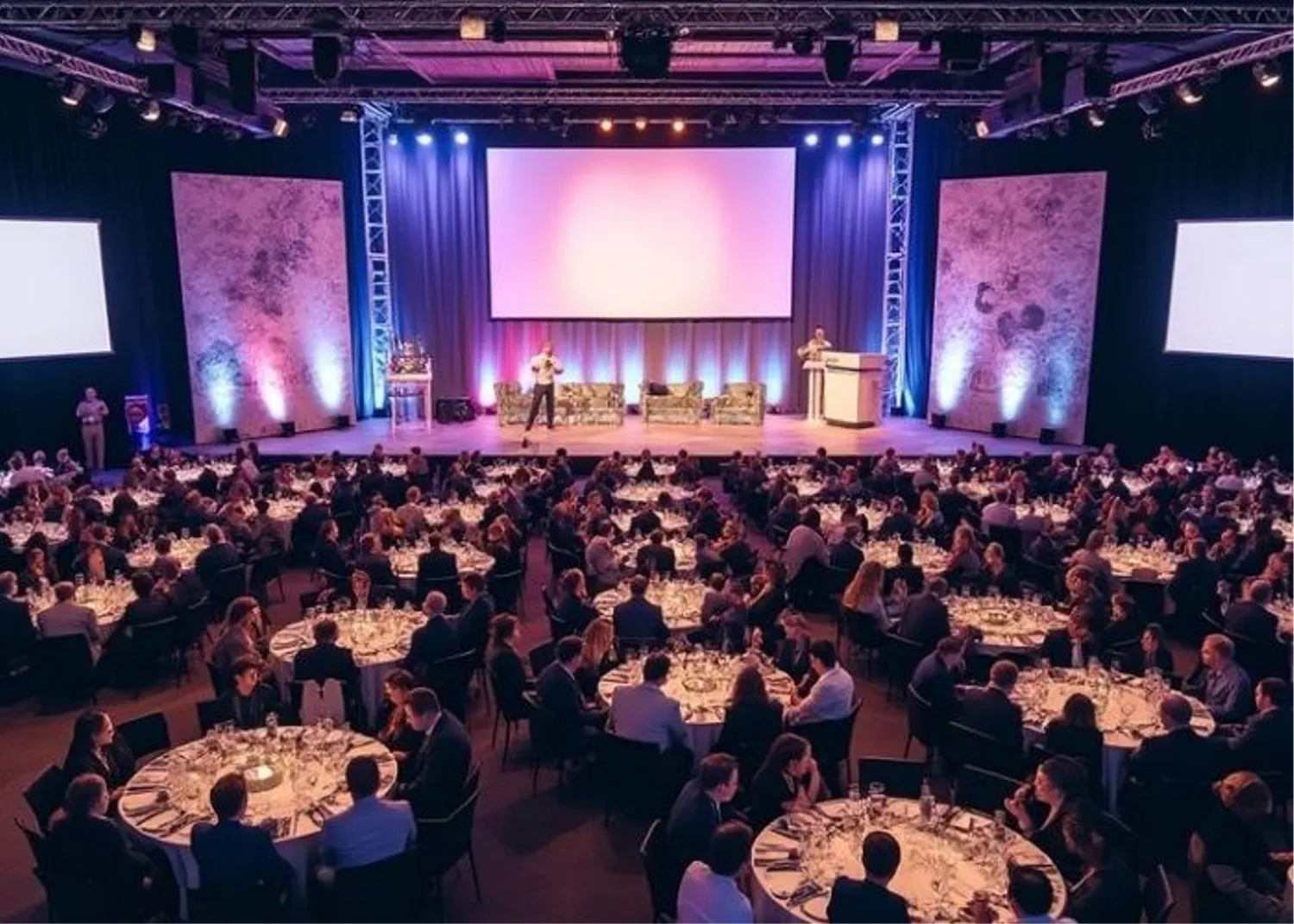
Clear objectives also make it easier to evaluate the event's success. Metrics such as attendance, audience engagement, lead generation, or participant feedback help determine whether the event achieved its intended outcomes.
Understand Your Audience
Knowing your audience is just as important as defining your goals. A conference for senior executives requires a different experience than a college recruitment event or an employee appreciation program. Consider the interests, expectations, and professional backgrounds of your attendees when planning the agenda, venue, entertainment, and communication.
Designing the event around your audience improves participation and creates a more engaging experience.
Create a Realistic Budget
Budget planning forms the foundation of every successful event. A comprehensive budget should include venue rental, catering, event production, audio-visual equipment, branding, transportation, entertainment, staffing, photography, and contingency expenses.
Rather than focusing only on reducing costs, prioritize spending on elements that directly influence attendee experience. Careful financial planning helps maintain quality while preventing unexpected expenses during execution.
Select the Right Venue
The venue plays a significant role in shaping the overall experience. Accessibility, seating capacity, parking facilities, technical infrastructure, and nearby accommodation should all be evaluated before making a decision.
An ideal venue complements the event's objectives while ensuring guest comfort and operational efficiency. Visiting the venue in advance allows organizers to identify logistical requirements and potential challenges before the event day.
Focus on Event Production
Professional event production transforms ideas into memorable experiences. Stage design, lighting, sound systems, LED displays, projection equipment, and presentation technology all contribute to effective communication and audience engagement.
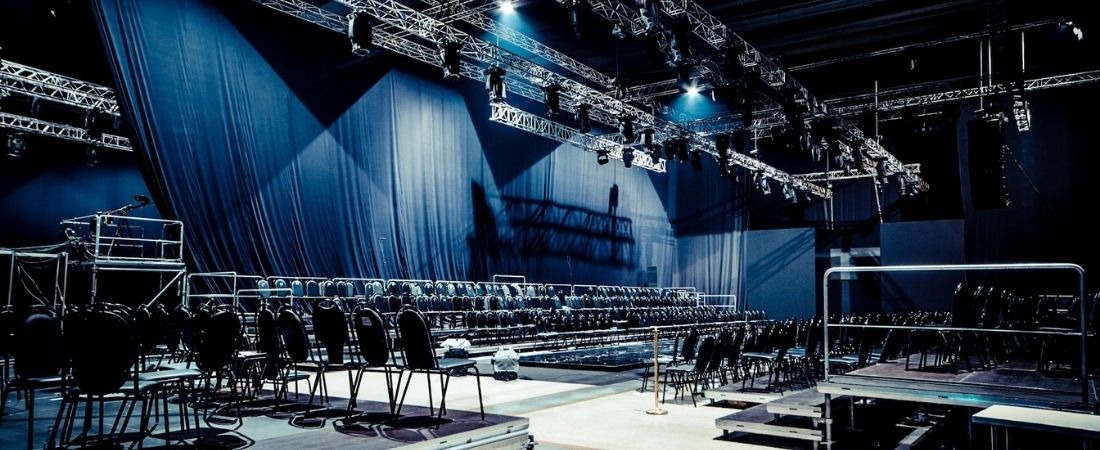
Technical rehearsals are equally important. Testing microphones, presentations, internet connectivity, and lighting before guests arrive minimizes the risk of technical disruptions and helps speakers present with confidence.
Develop a Detailed Timeline
Large events involve numerous activities happening simultaneously. Creating a detailed timeline helps coordinate vendors, speakers, technical teams, and support staff.
Important milestones should include venue preparation, equipment installation, rehearsals, registration setup, guest arrivals, presentations, networking sessions, and event closure. Sharing this schedule with every stakeholder ensures everyone understands their responsibilities and deadlines.
Prioritize the Attendee Experience
Attendees remember how an event made them feel more than individual presentations or decorations. Simple improvements such as clear signage, efficient registration, comfortable seating, reliable Wi-Fi, quality refreshments, and helpful event staff significantly enhance the overall experience.
Interactive sessions, networking opportunities, live demonstrations, and audience participation also encourage greater engagement and create more meaningful connections among participants.
Prepare for Unexpected Challenges
Even the most carefully planned events can encounter unforeseen circumstances. Weather changes, traffic delays, technical failures, or last-minute schedule adjustments require quick decision-making.
Experienced organizers prepare contingency plans for critical areas, including backup audio-visual equipment, alternative presentation formats, emergency contacts, and flexible scheduling. Planning for unexpected situations ensures that minor issues do not affect the overall event experience.
Measure Success After the Event
Event planning doesn't end when the last guest leaves. Post-event evaluation provides valuable insights that improve future events.
Collect attendee feedback through surveys, review participation statistics, analyze budget performance, and conduct debrief meetings with the organizing team. Understanding what worked well and identifying opportunities for improvement creates a continuous cycle of learning and better event management.
Final Thoughts
Successful corporate events are built through preparation, collaboration, and attention to detail. Every decision—from defining objectives and selecting the right venue to managing production and evaluating results—contributes to the overall experience.
Organizations that invest time in strategic planning consistently deliver events that inspire attendees, strengthen professional relationships, and achieve measurable business outcomes. While every event presents unique challenges, following a structured planning process makes execution more efficient and significantly increases the likelihood of success.
Ultimately, memorable corporate events are not defined by elaborate stages or impressive technology alone. They are defined by thoughtful planning, seamless coordination, and meaningful experiences that continue to create value long after the event has concluded.