Today’s fleets provide useful data each time a vehicle moves, is stationary, or goes back to base. The use of that data to make decisions would lead to better visibility and timely management responses to any problems before they create disruption to operations. Commercial vehicle telematics integrates vehicle data, location data, driver data, maintenance data, and operational data to give a connected view.
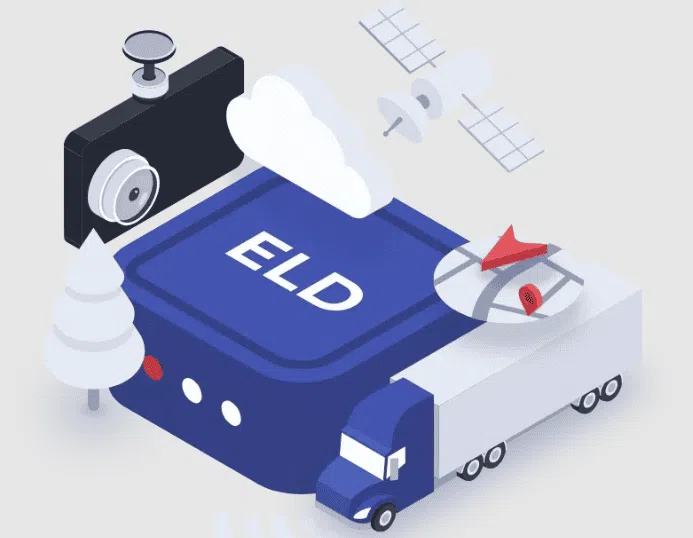
Better visibility within the operations of vehicles and routes is one such advantage. With the use of connected data, managers will be able to track the locations of their vehicles, detect any unforeseen halts, see how each route performs, and identify other trends that might influence the schedule for deliveries. This information will enable managers to make better dispatching choices, and at the same time, they will learn how their vehicles are performing during the course of the day.
Fuel usage is another issue in which managers will be able to gain useful information from connected data. Issues such as excessive idling, harsh acceleration, unnecessary mileage, and inefficient routes might be causing increased operating costs. Using connected data to detect such issues will allow fleet operators to work on specific areas in order to make improvements instead of making assumptions.
Vehicle maintenance planning can also take on a proactive nature through the continuous monitoring of vehicle data. The distance traveled, engine operation, fault messages, and maintenance intervals can all aid in determining when there is a need to look into something. Rather than solely relying on the schedules and driver feedback for vehicle maintenance, managers can utilize existing data to plan ahead of time.
Driver safety is another area where measurable information about performance can help. Instances of harsh braking, speeding, excessive idling, and rapid acceleration can be analyzed to determine driver behaviors that might require further education. Instead of relying on monitoring for punishment, fleet managers can develop training courses using the information obtained from drivers' behavior. Setting clear goals and giving constructive feedback will motivate safer and more consistent driving.
With the rise in connectivity in fleet operations, commercial vehicle telematics could also play a part in improving reporting and planning. Past performance can help identify patterns in delays, common paths, vehicle usage trends, and operational constraints. Such knowledge could assist in making decisions in relation to scheduling, capacity, replacements, and allocation of resources. Good data enables the assessment of progress through comparisons and measuring the impact of any operational changes.
Finally, effective telematics goes beyond merely gathering huge amounts of data about vehicles. What makes telematics effective is the ability to use the information gathered. By integrating commercial vehicle telematics into the dispatching, maintenance, safety, and business process management of the organization, it becomes possible to create an efficient fleet management ecosystem.
Brian Styris is the author of this article. To know more about Truck Routing Optimization, please visit our website: https://etrucks.com/