Productivity is paramount within logistics and transportation, and fleet tracking software provides it. Utilizing GPS and data analysis, fleet tracking systems enable companies to monitor their vehicles, track driver performance, and operate more efficiently, thanks to the benefit of real-time dashboards.
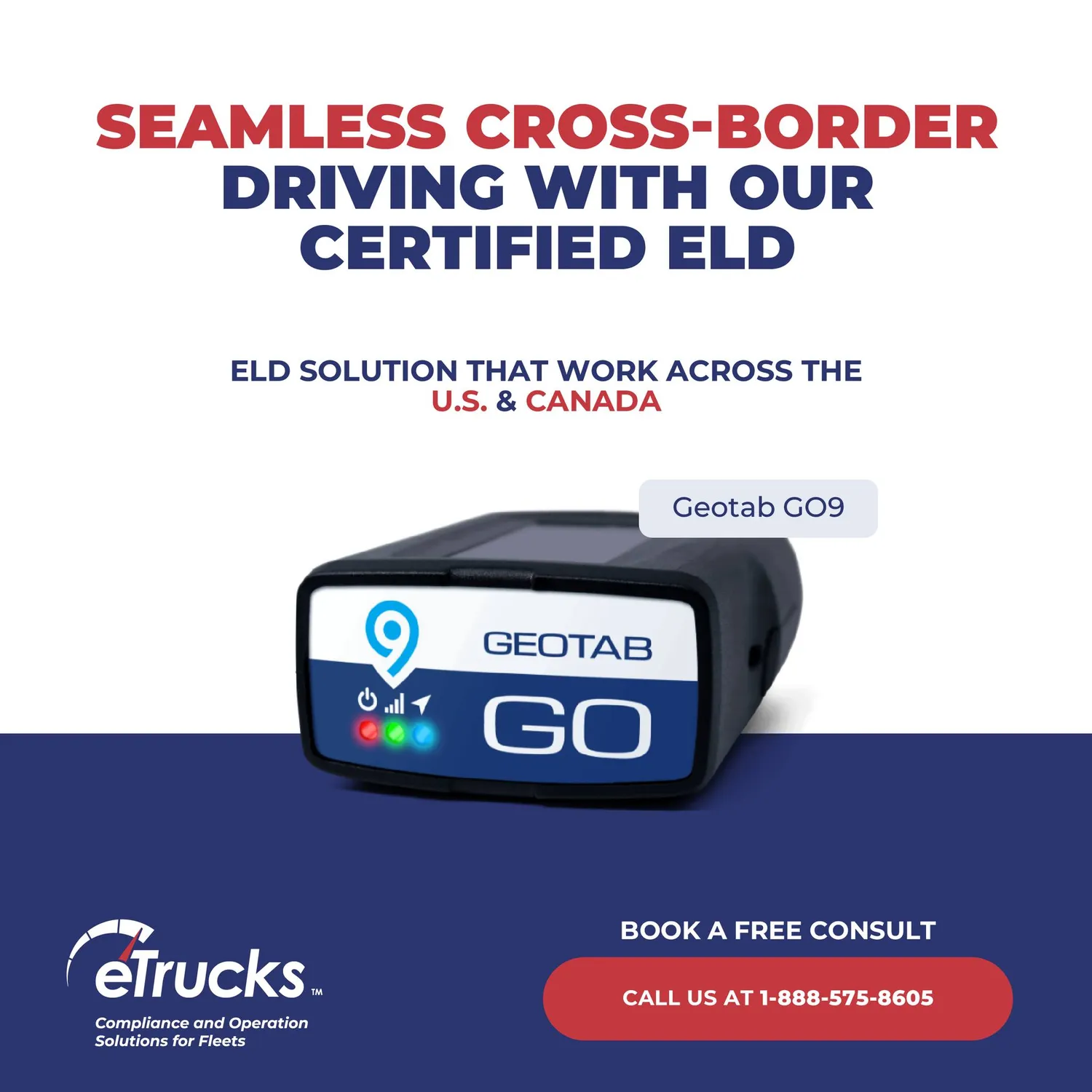
At its basic level, fleet tracking enables companies to know the location of their vehicles at all times. However, today’s systems are far more sophisticated than merely tracking location. They are now capable of delivering information on route efficiency, driver activity, fuel consumption, idle time, and more in real-time. This level of intelligence enables the fleet manager to make informed decisions, driving down costs, improving safety, and enhancing service levels.
Operational transparency is a key benefit of investing in advanced fleet tracking. Dispatchers have open access to their vehicle locations and can allocate more jobs according to the closest and available vehicles. This leads to lower shipping latencies, increased customer satisfaction and efficient resource allocation.
The reduction in fuel management is another valuable gain. Fleet tracking devices monitor mileage, track driving habits, and help pinpoint unnecessary idling or inefficient routes. Over time, that information could be used to reduce fuel costs and emissions. Paired with maintenance alerts (like low tire pressure or engine warnings), this contributes to long-term car health and sustainability objectives.
Additionally, there is the benefit of immediate driver surveillance for safety. By accessing data on speeding, aggressive braking, or distracted driving, fleet managers can analyze patterns of risk and take appropriate action. These are helping coaching programs raise the bar on safety and minimize the potential for accidents and liability.
It also facilitates compliance and reporting. Automated fleet tracking devices record driving hours, route history, and maintenance schedules, giving companies the ability to ensure they comply with governmental regulations without depending on manual logging. This automation minimizes the paperwork needs and keeps you in line with industry standards.
For enterprises managing a large or dispersed fleet, integrating with an app and the cloud ensures constant access to fleet tracking, regardless of location. Such flexibility is crucial in today’s rapidly changing and competitive logistics landscape.
In an industry where delays, breakdowns, and inefficiencies result in lost revenue, fleet management is not an adjunct to your business, but rather an integral investment in your business. With control, visibility and data-driven insights, it enables businesses to be on time, reduce waste and have the edge in operational excellence.
Brian Styris is the author of this article. For more details about, Telematics Service Providers. please visit our website: etrucks.com.