Efficient material handling is essential for maintaining productivity, minimizing waste, and ensuring workplace safety across industrial sectors. Among the most reliable conveying solutions available today, pneumatic conveyor systems have become the preferred choice for transporting powders, granules, pellets, and other bulk materials. Leading Pneumatic conveyor Manufacturers design these systems to deliver high efficiency, dust-free operation, and flexible installation options for industries such as food processing, pharmaceuticals, chemicals, cement, plastics, and manufacturing. Understanding the fundamentals of pneumatic conveyor design helps businesses select a system that improves operational performance while reducing long-term maintenance costs.
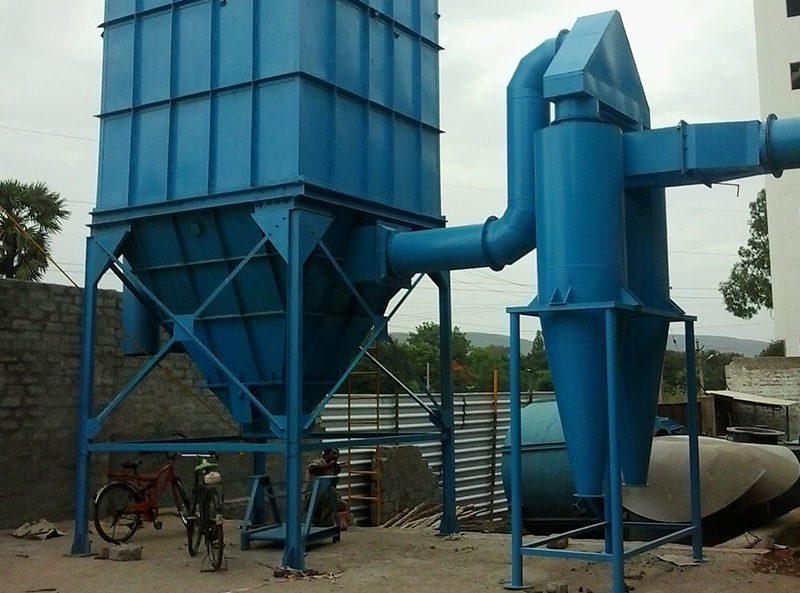
What is a Pneumatic Conveyor System?
A pneumatic conveyor system is an enclosed material handling solution that transports bulk materials through pipelines using air pressure or vacuum. Unlike mechanical conveyors that rely on belts, chains, or screws, pneumatic conveyors move materials by controlling airflow inside a sealed pipeline.
These systems are ideal for handling dry powders, grains, pellets, cement, flour, chemicals, plastic resins, and other lightweight bulk materials while preventing contamination, dust generation, and material loss.
Modern pneumatic conveyor systems are designed to integrate seamlessly into automated manufacturing environments, making them a valuable investment for industries seeking higher productivity and cleaner operations.
Why Proper Pneumatic Conveyor Design Matters
A well-designed pneumatic conveying system directly impacts productivity, operational efficiency, and equipment lifespan. Poor system design can result in material degradation, excessive energy consumption, pipeline blockages, and increased maintenance expenses.
Proper design ensures:
- Consistent material flow
- Reduced product damage
- Lower operating costs
- Improved workplace safety
- Better energy efficiency
- Longer equipment life
- Minimal dust emissions
Careful planning during the design stage allows businesses to maximize return on investment while ensuring reliable system performance.
Key Components of a Pneumatic Conveyor System
Understanding the major components helps in designing an efficient conveying system.
Air Source
The blower or compressor generates the airflow required to transport materials through the pipeline.
Feeding Device
Feeders regulate the amount of material entering the conveyor, ensuring smooth and consistent transportation.
Conveying Pipeline
The pipeline serves as the transportation path. Selecting the correct pipe diameter and material is critical for maintaining proper airflow and minimizing wear.
Separator or Receiver
At the destination, separators or cyclones remove the conveyed material from the air stream before storage or further processing.
Dust Collection Unit
Filters and dust collectors prevent airborne particles from escaping into the workplace, supporting environmental compliance and employee safety.
Control System
Modern systems include automated controls for monitoring airflow, pressure, material flow, and system performance.
Important Factors in Pneumatic Conveyor Design
Material Characteristics
The type of material being conveyed significantly influences system design.
Important characteristics include:
- Particle size
- Bulk density
- Moisture content
- Abrasiveness
- Flowability
- Fragility
- Temperature sensitivity
Different materials require different conveying velocities and pressure levels to maintain product quality.
Conveying Distance
Longer conveying distances require greater air pressure and carefully designed pipeline layouts to maintain consistent material flow.
Conveying Capacity
System capacity should match production requirements while allowing room for future expansion.
Air Velocity
Maintaining the correct air velocity is essential. Excessive speed can damage fragile materials, while insufficient airflow may cause blockages inside the pipeline.
Pressure Requirements
Designers must determine whether a low-pressure or high-pressure system is appropriate based on conveying distance, material type, and production capacity.
Types of Pneumatic Conveying Systems
Dilute Phase Conveying
Dilute phase systems transport materials using high air velocity while suspending particles within the airflow.
Advantages include:
- Lower installation cost
- Faster conveying speed
- Suitable for lightweight materials
- Simple operation
Dense Phase Conveying
Dense phase systems move materials at lower velocities using higher pressure.
Benefits include:
- Reduced product degradation
- Lower pipeline wear
- Energy efficiency for heavy materials
- Ideal for abrasive products
Selecting between dilute and dense phase conveying depends on material properties and production requirements.
Industrial Applications
Pneumatic conveyor systems are widely used across multiple industries.
Food Processing
Flour, sugar, spices, grains, coffee, and powdered ingredients are transported hygienically without contamination.
Pharmaceutical Manufacturing
Closed conveying systems ensure sterile handling of active ingredients and finished products.
Chemical Industry
Pneumatic conveyors safely transport powders, resins, pigments, and chemical compounds while minimizing dust exposure.
Cement Industry
Cement, fly ash, and mineral powders are efficiently conveyed over long distances.
Plastic Industry
Plastic pellets, granules, and resin materials are transported directly to processing equipment.
Agriculture
Seeds, grains, animal feed, and fertilizers are conveyed with minimal product loss.
Advantages of Pneumatic Conveyor Systems
Industrial facilities continue investing in pneumatic conveying technology because of numerous operational benefits.
Dust-Free Operation
Completely enclosed pipelines prevent dust leakage and maintain a cleaner production environment.
Flexible Installation
Pipelines can be routed vertically, horizontally, or around existing equipment, making them ideal for facilities with limited floor space.
Reduced Product Contamination
Closed systems protect sensitive materials from moisture, dirt, and external contaminants.
Lower Maintenance
With fewer moving mechanical components, pneumatic conveyors generally require less maintenance than traditional conveyor systems.
Improved Workplace Safety
Automated enclosed conveying minimizes manual material handling while reducing employee exposure to airborne particles.
Energy Efficiency
Properly designed systems optimize airflow, reducing energy consumption while maintaining high conveying performance.
Design Considerations for Maximum Efficiency
To achieve the best results, manufacturers evaluate several engineering factors before designing a pneumatic conveyor system.
These include:
- Plant layout
- Pipeline routing
- Number of bends
- Material entry points
- Air-to-material ratio
- Future production expansion
- Environmental conditions
- Required automation level
Experienced Pneumatic conveyor Manufacturers conduct detailed engineering assessments before recommending the most suitable conveying solution for each application.
Choosing the Right Pneumatic Conveyor Manufacturer
Selecting the right manufacturer is equally important as choosing the right equipment. A reputable supplier offers complete support from system design and manufacturing to installation and after-sales service.
Look for manufacturers that provide:
- Customized conveyor solutions
- High-quality materials
- Energy-efficient designs
- Engineering expertise
- Technical consultation
- Installation assistance
- Preventive maintenance support
- Spare parts availability
Working with experienced professionals helps ensure your conveyor system delivers reliable performance for years to come.
Why Choose Essar Air Systems?
Essar Air Systems is a trusted name in industrial material handling solutions, offering advanced pneumatic conveyor systems tailored to meet diverse industry requirements. With years of engineering expertise, the company designs efficient, durable, and customized conveying systems that improve operational productivity while minimizing maintenance costs.
Whether your application involves food processing, pharmaceuticals, chemicals, plastics, cement, or manufacturing, Essar Air Systems provides solutions engineered for reliable performance and long service life.
Conclusion
A well-designed pneumatic conveyor system is a valuable investment for industries seeking efficient, hygienic, and automated bulk material handling. By carefully considering material properties, airflow, pressure, pipeline layout, and production requirements, businesses can maximize operational efficiency while reducing downtime and maintenance expenses. Partnering with reliable Pneumatic conveyor Manufacturers ensures access to customized solutions, expert engineering support, and long-lasting equipment that meets the demands of modern industrial operations. As manufacturing continues to evolve, pneumatic conveying technology will remain a cornerstone of efficient and sustainable material handling systems.
Other Recommendations: Bucket Elevator Manufacturers