In industries worldwide, air pollution is a significant concern, especially in sectors that rely heavily on boilers for heating, power generation, and industrial processes. Boiler bag filters have become essential equipment in controlling particulate emissions, improving air quality, and complying with stringent environmental regulations. These filters are designed to capture and remove dust, soot, and other harmful particles from flue gases produced during combustion processes in boilers. Boiler bag filter manufacturers play a pivotal role in producing high-quality filtration systems that not only ensure cleaner air but also optimize the overall performance and efficiency of boilers.
What are Boiler Bag Filters?
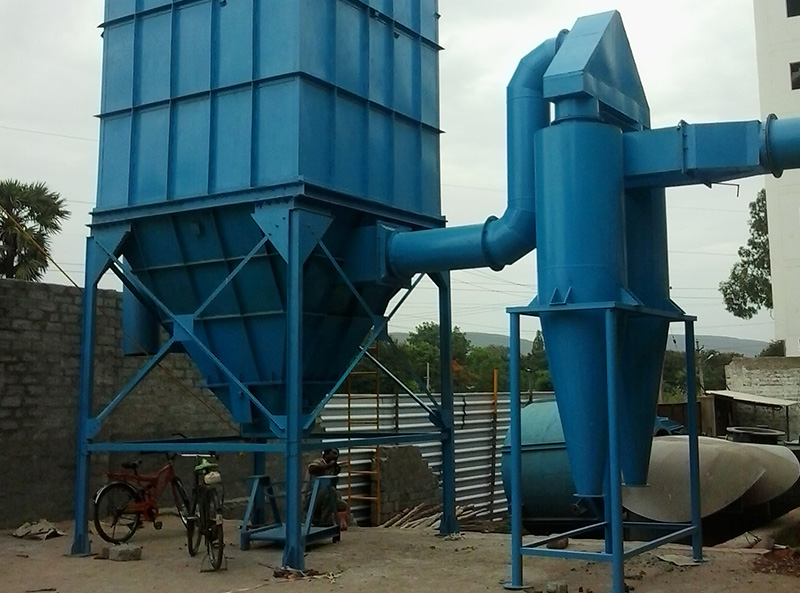
Boiler bag filters, also known as fabric filters or baghouse filters, are a type of air pollution control device used to capture particulate matter from the exhaust gases emitted by industrial boilers. These filters consist of large fabric bags that trap particulate contaminants as the flue gases pass through them. The bags are usually made of polyester, fiberglass, or other specialized materials that are resistant to heat, moisture, and chemical corrosion.
In a typical setup, flue gases enter the baghouse, where they are directed through a series of filter bags. As the gases pass through, particulate matter is trapped on the surface of the bags, and clean air exits through a system of ducts. Periodically, the filter bags are cleaned to remove the accumulated dust and particles, ensuring optimal filtration performance.
Importance of Boiler Bag Filters
The installation of boiler bag filters is crucial in industries where large amounts of particulate matter are produced, such as power plants, cement factories, chemical processing plants, and steel mills. Here’s why boiler bag filters are indispensable:
- Regulatory Compliance: Many countries and regions have strict environmental laws that limit the amount of particulate matter that can be emitted into the atmosphere. Boiler bag filters help industries comply with these regulations by reducing emissions and ensuring air quality standards are met.
- Enhanced Boiler Efficiency: Accumulated dust and particulate matter can reduce the efficiency of a boiler by clogging air passageways and interfering with heat exchange processes. Bag filters ensure that the combustion process remains efficient, minimizing the risk of downtime and costly repairs.
- Protection of Equipment: The presence of fine particulates in flue gases can cause corrosion and damage to downstream equipment like turbines, heat exchangers, and air preheaters. By filtering out these harmful particles, boiler bag filters help protect the integrity of expensive equipment.
- Improved Worker and Environmental Health: Reducing airborne particulate matter not only helps protect the environment but also improves the health and safety of workers in industrial settings. Clean air contributes to healthier work environments, reducing the risk of respiratory issues and other health concerns.
Role of Boiler Bag Filter Manufacturers
Boiler bag filter manufacturers play a key role in providing industries with the necessary tools to control particulate emissions. These manufacturers are responsible for designing, producing, and supplying filter systems that meet both performance and regulatory requirements. The following aspects highlight the crucial role they play:
1. Innovative Filtration Technology
The field of air filtration technology is constantly evolving, with new materials, designs, and cleaning methods emerging regularly. Manufacturers of boiler bag filters are at the forefront of this innovation, developing new types of filter fabrics and cleaning systems to improve performance and durability. For example, newer filter materials are being developed to withstand higher temperatures and chemical corrosion, making them more suitable for demanding industrial environments.
2. Customization for Different Applications
Every industrial boiler has unique operating conditions, such as temperature, pressure, and gas composition. Boiler bag filter manufacturers work closely with clients to design custom filtration solutions that meet the specific needs of each application. They tailor their products based on factors such as the size and type of boiler, the nature of the flue gases, and the regulatory requirements in the region.
3. Focus on Efficiency and Sustainability
Modern boiler bag filter manufacturers are increasingly focused on sustainability and efficiency. Many are integrating energy-saving features into their designs to reduce operational costs, such as low-pressure drop systems that minimize energy consumption. Additionally, some manufacturers are working to create filters made from eco-friendly materials that reduce waste and contribute to greener industrial processes.
4. Long-Term Durability and Maintenance
Given the harsh conditions in which boiler bag filters operate, durability is a crucial factor. Manufacturers ensure that their filters are built to last by using high-quality materials that can withstand extreme temperatures, chemical exposure, and mechanical stress. Regular maintenance is also a concern for businesses, and manufacturers often provide comprehensive services such as filter bag cleaning systems, monitoring solutions, and replacement parts to ensure long-term performance.
The Future of Boiler Bag Filter Manufacturing
The future of boiler bag filter manufacturing is bright, with several trends shaping the industry:
- Smart Monitoring and Automation: Advances in sensor technology and automation are enabling the development of smart boiler bag filters. These systems can monitor pressure, temperature, and dust buildup in real-time, triggering automatic cleaning processes and ensuring optimal performance.
- Eco-Friendly Solutions: The growing focus on sustainability is driving the development of environmentally friendly filter materials. Manufacturers are working to reduce the environmental footprint of their products, both in terms of material use and the energy required for filter operation.
- Integration with Broader Air Quality Systems: As industries move toward comprehensive air quality management systems, boiler bag filters are being integrated with other pollution control technologies. This holistic approach ensures that businesses meet both local and global air quality standards more effectively.
Conclusion
Boiler bag filters are crucial for maintaining air quality and ensuring efficient industrial operations in various sectors. Manufacturers of these filtration systems play a vital role in providing advanced, customized solutions that help industries meet environmental standards, protect equipment, and improve operational efficiency. With a continued focus on innovation, sustainability, and regulatory compliance, boiler bag filter manufacturers are poised to drive the future of cleaner, more efficient industrial processes.