In industries where air quality and filtration efficiency are critical—such as cement production, pharmaceuticals, food processing, and power plants—bag filters play a vital role. These filters trap dust, pollutants, and fine particulates, ensuring compliance with environmental regulations and improving workplace safety.
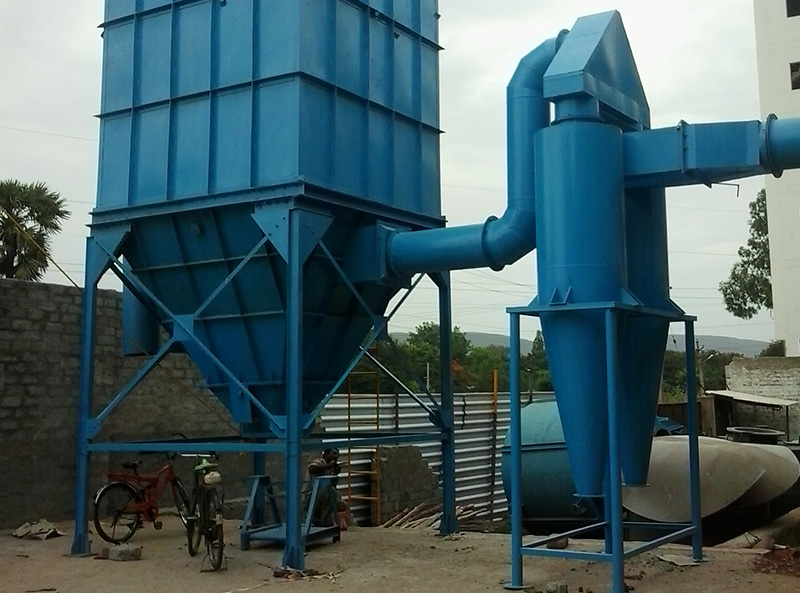
However, not all bag filters are created equal. The manufacturer you choose determines:
✔ Filtration efficiency – How well the filter captures particles.
✔ Durability – Resistance to wear, heat, and chemical exposure.
✔ Cost-effectiveness – Long-term savings from reduced maintenance and replacements.
✔ Regulatory compliance – Meeting EPA, OSHA, and industry-specific standards.
This guide will help you identify the best bag filter manufacturers by focusing on key selection criteria, industry applications, and emerging trends.
Types of Bag Filters & Their Industrial Uses
Bag filters come in different designs, each suited for specific operational needs:
1. Pulse Jet Bag Filters
- How They Work: Use compressed air bursts to clean filter bags.
- Best For: Cement plants, steel mills, and coal-fired power plants.
- Advantage: High dust-holding capacity with minimal downtime.
2. Reverse Air Bag Filters
- How They Work: Clean bags by reversing airflow.
- Best For: Low-pressure applications like woodworking and food processing.
- Advantage: Gentle cleaning extends bag life.
3. Shaker Bag Filters
- How They Work: Mechanically shake dust off the bags.
- Best For: Minerals, ceramics, and chemical industries.
- Advantage: Simple design, easy maintenance.
4. Liquid Bag Filters
- How They Work: Remove contaminants from liquids (oils, chemicals, beverages).
- Best For: Pharmaceuticals, wastewater treatment, and food & beverage.
- Advantage: High flow rates with fine micron filtration.
Key Factors When Choosing a Bag Filter Manufacturer
1. Industry Expertise & Customization
- Look for manufacturers with experience in your sector (e.g., a cement plant has different needs than a pharmaceutical lab).
- Custom solutions (material, size, coating) should be available.
2. Filter Media Quality
- Common materials: Polyester (standard), Nomex (heat-resistant), PTFE (chemical-resistant).
- Ask about nanofiber coatings for higher efficiency.
3. Compliance & Certifications
- Ensure the manufacturer meets ISO 9001, EPA, and local emission standards.
- Check if they test filters for explosive environments (ATEX certification).
4. After-Sales Support
- Do they offer installation guidance, maintenance training, or spare parts?
- A reliable manufacturer provides technical support post-purchase.
5. Energy Efficiency & Cost Savings
- Low-pressure-drop designs reduce energy consumption.
- Longer filter lifespan = fewer replacements and lower costs.
Emerging Trends in Bag Filtration
✔ Smart Filter Monitoring
- IoT-enabled sensors track pressure drop, dust load, and bag condition in real time.
✔ Sustainable Materials
- Biodegradable and recyclable filter media are gaining traction.
✔ Hybrid Filtration Systems
- Combining bag filters with electrostatic precipitators for ultra-fine particle capture.
Final Thoughts: Making the Right Choice
Selecting the right bag filter manufacturer impacts your operational efficiency, compliance, and bottom line. Prioritize:
✅ Industry-specific experience
✅ High-quality filter media
✅ Regulatory compliance
✅ Strong after-sales support
By partnering with a trusted manufacturer, you ensure cleaner air, longer equipment life, and fewer regulatory headaches.