In the world of agriculture, quality seed production plays a crucial role in ensuring healthy crop yields. However, one of the most significant steps in seed processing is drying. Over the years, advancements in seed drying technology have revolutionized the way farmers handle and store seeds, minimizing waste and maximizing seed quality. This is where seed dryer manufacturers come into play, offering specialized solutions to preserve the integrity of seeds during post-harvest processing.
What Are Seed Dryers?
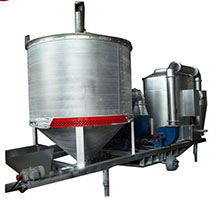
Seed dryers are machines specifically designed to remove moisture from seeds to ensure they remain viable for planting. Excess moisture in seeds can lead to the growth of mold, fungal diseases, and other forms of degradation, compromising the seed's ability to germinate effectively. Seed drying is thus an essential step, especially in regions where the harvest season may not align with optimal storage conditions or when high humidity can impact seed quality.
Types of Seed Dryers
There are several types of seed dryers designed to meet different needs, ranging from small-scale operations to large commercial production. Some of the most common types include:
- Batch Seed Dryers: Batch dryers are typically used for smaller volumes of seed. These dryers allow seeds to be dried in discrete batches, providing flexibility for farmers with limited storage capacity. The drying process involves placing a batch of seeds into the drying chamber where air is circulated, often with heated air, to reduce moisture content.
- Continuous Seed Dryers: Unlike batch dryers, continuous seed dryers are designed for larger operations that require consistent drying of seeds over extended periods. The process runs continuously, making them ideal for large-scale seed producers. These dryers allow for greater efficiency, as seeds move through drying chambers while air is constantly circulated.
- Solar Seed Dryers: In an effort to reduce energy consumption, solar seed dryers use renewable energy from the sun to dry seeds. These dryers are eco-friendly and suitable for areas with abundant sunlight. They usually consist of a solar collector and a drying chamber that maintains optimal heat and air circulation.
- Fluidized Bed Dryers: Fluidized bed dryers use hot air to suspend seeds in the drying chamber, allowing for more even heat distribution. This technology is particularly useful for drying small and delicate seeds that require gentle handling to avoid damage.
- Mechanical Airflow Seed Dryers: These dryers use forced air to pass over the seeds in a controlled environment. Often used for grains, beans, and other seeds, the controlled airflow ensures that moisture is removed evenly, which is critical for preserving seed viability.
The Role of Seed Dryers Manufacturers
Seed dryer manufacturers design, build, and supply these machines, ensuring they meet the specific needs of different agricultural sectors. They play a vital role in optimizing the drying process, which directly affects the quality and shelf life of seeds. Manufacturers work closely with farmers, seed companies, and agricultural businesses to tailor solutions that meet both operational and environmental requirements.
Some key responsibilities of seed dryer manufacturers include:
- Innovation and Research: Seed dryer manufacturers invest in research and development to create more efficient, cost-effective, and environmentally friendly dryers. This can involve developing machines that use less energy, provide more precise control over temperature and humidity, or incorporate smart technology to optimize drying conditions based on real-time data.
- Customization: No two seed drying operations are the same. Seed dryer manufacturers offer customization options to meet specific needs, including the type of seeds being dried, the size of the operation, and the environmental factors of the region. Custom features may include adjustable temperature settings, humidity control, and airflow mechanisms tailored for different seed types.
- Quality Assurance and Support: Manufacturers ensure that their products meet high-quality standards, as poor drying equipment can damage valuable seeds and reduce overall yields. They often provide post-purchase support and maintenance services to ensure the machines operate efficiently throughout their lifecycle.
- Sustainability Initiatives: With increasing concerns about sustainability, seed dryer manufacturers are continuously exploring greener alternatives. Solar-powered dryers, for instance, are becoming more popular, and other solutions like energy-efficient dryers help reduce the carbon footprint of seed drying operations.
Benefits of Advanced Seed Drying Technology
Investing in modern seed drying equipment can bring several benefits to farmers and agricultural businesses:
- Preserved Seed Quality: Advanced drying technology ensures seeds retain their germination ability and are less prone to spoilage, mold, or other diseases.
- Higher Efficiency: Modern dryers, especially continuous and automated systems, help increase throughput, reducing time spent on drying and allowing for better use of available labor.
- Energy Savings: With eco-friendly drying options like solar-powered dryers and energy-efficient models, farmers can significantly cut down on energy costs.
- Increased Shelf Life: Properly dried seeds can be stored for longer periods, enabling farmers to sell seeds at optimal times and maintain supply without compromising quality.
Challenges Faced by Seed Dryer Manufacturers
While seed drying technology has come a long way, manufacturers still face several challenges:
- High Initial Costs: High-end, energy-efficient dryers often come with a steep price tag, making them less accessible to smaller farmers or businesses with limited budgets.
- Customization Needs: As farmers' needs can vary greatly, manufacturers must constantly adapt their designs to meet a diverse range of requirements.
- Energy Consumption: Even with innovations in energy efficiency, traditional seed dryers can still be energy-intensive, which may be a barrier for farmers in areas with high electricity costs.
- Maintenance and Training: Providing ongoing maintenance services and ensuring farmers are adequately trained to use the equipment correctly remains a significant hurdle.
Future Trends in Seed Drying
The future of seed drying is promising, with several emerging trends:
- Automation: Automated drying systems that can monitor and adjust parameters in real-time are becoming more common. These systems not only improve drying efficiency but also reduce human error and labor costs.
- IoT and Smart Technology: Internet of Things (IoT) technology allows for the remote monitoring of seed drying processes. Smart sensors and connected devices can track moisture levels, air temperature, and humidity, helping manufacturers and farmers optimize the drying conditions.
- Sustainability: Continued efforts are being made to develop more energy-efficient, environmentally friendly drying solutions, such as biomass dryers and solar-powered options.
Conclusion
Seed dryer manufacturers play a vital role in the agricultural sector by providing solutions that ensure seeds are properly dried and preserved for future planting. As technology continues to evolve, these manufacturers will remain at the forefront of driving innovation in seed processing, helping to increase global food security by improving seed quality and reducing waste. By focusing on sustainability, efficiency, and customization, seed dryer manufacturers are shaping the future of agriculture, one seed at a time.