In an era where environmental concerns have become more urgent than ever, industrial processes are facing increasing scrutiny for their impact on air quality. Wet scrubbers, a key technology for controlling air pollutants, have emerged as an effective solution to this challenge. These systems are integral in industries where toxic, particulate-laden gases need to be cleaned before being released into the atmosphere. Wet scrubber system manufacturers are at the forefront of designing and producing these essential devices, which play a critical role in maintaining environmental standards and safeguarding public health.
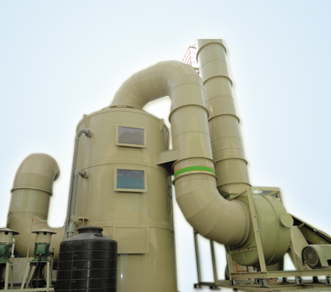
What is a Wet Scrubber System?
A wet scrubber system is a device that uses a liquid, typically water or a chemical solution, to remove harmful gases, vapors, and particulates from exhaust streams. The basic principle of operation involves passing polluted air through a scrubbing liquid, where the contaminants are either absorbed, dissolved, or physically captured by droplets of the liquid. Once the pollutants are trapped, the clean air is released back into the atmosphere, often meeting the regulatory emission standards set by environmental agencies.
Types of Wet Scrubber Systems
Wet scrubbers come in a variety of designs, each suited to specific types of pollutants and industries. Manufacturers typically offer several types of scrubber systems:
- Packed Bed Scrubbers: These systems use a vertical column filled with packing material that increases the surface area for the liquid to interact with the gas stream. As air moves through the packing, the pollutants are absorbed into the liquid. Packed bed scrubbers are highly efficient for removing gases like sulfur dioxide, ammonia, and volatile organic compounds (VOCs).
- Venturi Scrubbers: This type utilizes a high-velocity jet of air that creates a vacuum, causing the liquid to mix with the gas stream in a narrow, constricted throat. The Venturi scrubber is particularly effective for capturing fine particulates, such as dust and smoke, from industrial exhaust.
- Spray Tower Scrubbers: These systems consist of a vertical chamber where the polluted gas is sprayed with a fine mist of liquid. Spray towers are versatile and can handle a wide range of pollutants, including acid gases and particulates.
- Electrostatic Wet Scrubbers: These combine wet scrubbing with electrostatic precipitation, where particles are given an electric charge and then collected on oppositely charged surfaces. This hybrid method is highly effective for removing fine particles, oil mist, and other contaminants that traditional scrubbers might miss.
- Centrifugal Scrubbers: These scrubbers use centrifugal force to separate liquid and gas phases, ensuring that the particles are trapped within the liquid. This design is best suited for systems with high particulate concentrations.
Role of Wet Scrubber Manufacturers
Wet scrubber manufacturers design, fabricate, and supply these advanced systems to meet the specific needs of industries such as power generation, chemical manufacturing, oil and gas, cement production, and waste incineration. The role of these manufacturers extends beyond just producing equipment; they play a crucial part in customizing scrubber solutions for each client’s requirements, ensuring that they comply with stringent environmental regulations while optimizing performance.
- Design and Engineering: The first step in manufacturing a wet scrubber system is a detailed analysis of the air pollution characteristics in a specific industry. Wet scrubber manufacturers collaborate with clients to understand the type and concentration of pollutants, the flow rate of exhaust gases, and any specific chemical requirements. Based on these factors, they design a system tailored to the client's needs.
- Material Selection: Durability is key when selecting materials for wet scrubbers. Since these systems are often exposed to corrosive gases and high moisture levels, manufacturers must choose materials like stainless steel, fiberglass, and specialized alloys that can withstand harsh operating conditions and minimize maintenance needs.
- Efficiency Optimization: To ensure that the wet scrubber system is as efficient as possible, manufacturers incorporate advanced technologies like energy recovery systems, automated monitoring, and maintenance features. This ensures that the scrubbers not only clean exhaust gases effectively but also operate cost-efficiently over time.
- Regulatory Compliance: Wet scrubber systems are often essential for compliance with environmental standards, such as those set by the U.S. Environmental Protection Agency (EPA) or the European Union’s Industrial Emissions Directive (IED). Manufacturers play a critical role in ensuring their systems meet these regulatory requirements, offering clients the peace of mind that they are in full compliance with air quality laws.
- Maintenance and Support: Providing ongoing maintenance and technical support is a core aspect of the service offered by wet scrubber system manufacturers. Regular inspections, part replacements, and system upgrades help keep the scrubbers functioning optimally throughout their lifespan.
Importance of Wet Scrubber Systems in Industry
The importance of wet scrubbers cannot be overstated. These systems help industries reduce harmful emissions, ensuring cleaner air for surrounding communities and the environment at large. Some of the key pollutants that wet scrubbers target include:
- Sulfur Dioxide (SO2): A major contributor to acid rain, sulfur dioxide is removed from industrial exhaust through scrubbing processes.
- Nitrogen Oxides (NOx): These gases can cause smog and respiratory problems. Wet scrubbers help minimize their release into the air.
- Particulate Matter: Fine particles, including dust, smoke, and soot, are captured by wet scrubbers to prevent them from being dispersed into the atmosphere.
- Volatile Organic Compounds (VOCs): These can contribute to ozone formation and have serious health effects. Wet scrubbers help mitigate these pollutants, particularly in industries like chemical processing and petroleum refining.
Challenges Faced by Wet Scrubber Manufacturers
Despite their effectiveness, wet scrubbers come with a set of challenges. Manufacturers must continuously innovate to improve scrubber performance, minimize operational costs, and ensure that systems can handle a wide variety of pollutants. Some of the challenges include:
- Energy Efficiency: While wet scrubbers are effective, they require significant energy to pump liquid and circulate air. Manufacturers are continually seeking ways to reduce the energy consumption of these systems.
- Wastewater Disposal: The water used in wet scrubbers must be treated before disposal to avoid contaminating the environment. Manufacturers must design scrubbers that minimize the amount of water used and optimize water treatment processes.
- Complexity of Design: As industries become more specialized, wet scrubber systems need to be increasingly customized. Manufacturers must be able to create complex designs to address specific pollutants while adhering to cost and space constraints.
Conclusion
Wet scrubber system manufacturers are key players in the global effort to combat air pollution. Through innovative designs, custom solutions, and the use of advanced materials, these manufacturers help industries meet stringent environmental standards while minimizing their environmental impact. As the world faces growing challenges related to air quality, the importance of effective pollution control systems like wet scrubbers will only continue to grow, making the work of manufacturers crucial to a cleaner and more sustainable future.