After the typhoon, I went to clean the beach a few days ago. The beach was covered with rubbish from all over the world. The most incomprehensible thing was that there were several "Mahjong" and antique "pagers" on the beach as if the earth was calling "SOS ' for help, while all humanity is risking its future. The people in charge of the beach cleanup are not surprised, because they know that more unbelievable garbage is coming one after another, and they emphasize that beach cleanup is only a temporary public education, and the only way to solve the root cause is to reduce waste at the source.
With the imminent crisis of climate change, excessive population growth, and resource depletion, countries all over the world are focusing on research on sustainable development, renewable energy, and a green economy. Gradually get out of the traditional linear economic model or the one-way resource consumption model, and transition to the economic operation model of resource conservation and reuse. However, "circular economy" is not a new concept. As early as 1966, Kenneth E. Boulding published an article "The Economics of the Coming Spaceship Earth" (The Economics of the Coming Spaceship Earth), which already appeared in the article. The theory of the model compares the earth to a spaceship that is isolated and unable to obtain resources from the outside and must be self-sufficient through the internal resource circulation system. Until 1989, the term "circular economy" clearly appeared in the article "Natural Resources and Environmental Economics" written by two British environmental economists David Pearce and R. Kerry Turner. Principles such as waste and system cooperation are integrated into production processes such as raw material selection, product design, and logistics improvement. This will help reduce production costs and achieve environmental protection and build a sustainable ecological industrial chain.

"Circular Economy" advocates the principles of resource reuse, waste reduction, and system cooperation, and transitions from the traditional linear economic model or the one-way consumption model of resources to the economic operation model of resource conservation and reuse.
Unlike the traditional linear production model, which often causes waste of resources, "circular economy" is based on the continuous recycling of materials, and can be extended to intangible products, models and behaviors. In the manufacture of tangible products, companies only need to spend some ingenuity on the design, so that the products and by-products produced will not become discarded garbage, but can be reused as new raw materials and materials, or even greatly Reduce the waste derived from the whole production process, and finally achieve the purpose of zero emission and zero waste. The intangible "circular economy" covers consumption patterns and sharing concepts. For example, consumers can directly save the process of manufacturing finished products or waste through the thinking of product sharing or "renting instead of buying", while still obtaining what they need. Among them, the Ellen MacArthur Foundation, which is committed to helping companies accelerate the transformation of "circular economy", estimates that by 2025, this concept can save at least US$1 trillion in material costs per year, and at the same time create additional economic value, such as increasing product remanufacturing and recycling industries employment opportunities.
Practice "Green Travel" circular economy
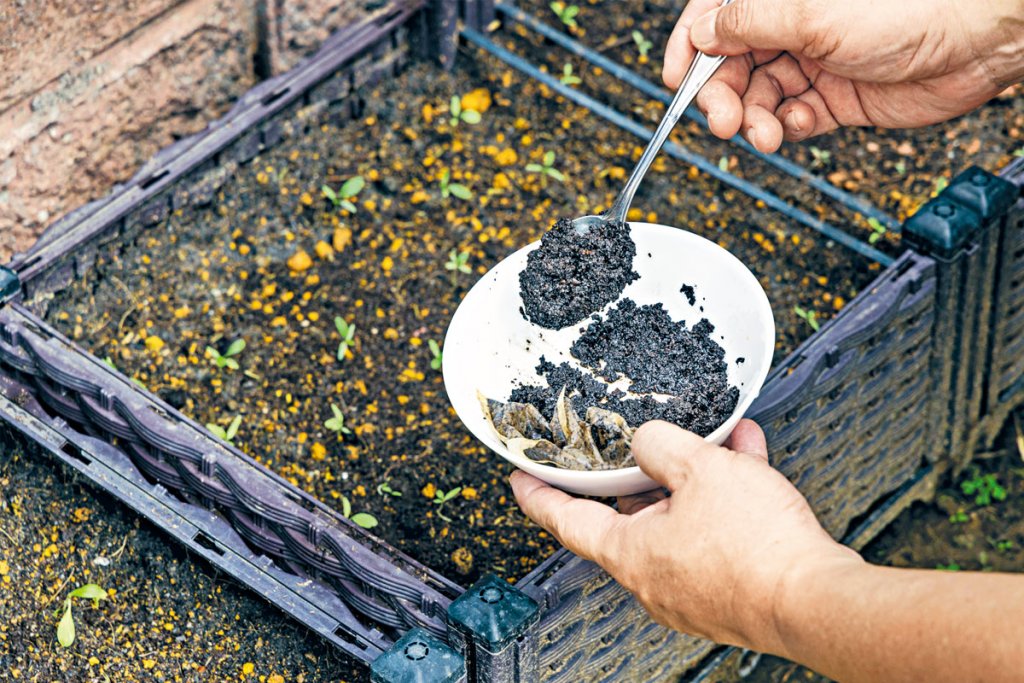
Hong Kong people like to drink coffee, and coffee shops are always open. With the rise of per capita coffee consumption, the daily output of coffee grounds can be described as innumerable. In view of this, Eco-Greenergy, an environmental protection social enterprise established in 2014, embraces the concept of "less waste and more possibilities", and launched the Zero Grounds Coffee Campaign "Citywide Coffee Grounds Recycling Campaign", sales of environmentally friendly products and Customization, environmental education workshops, etc. So far, they have recovered nearly 120 tons of coffee grounds from commercial organizations. They hope to dispose of these surplus materials more effectively. From daily operation details to product materials and design, they adhere to the principles of environmental protection and convenience and recycle coffee grounds into other usable products. Resources, such as tie-dyeing and mosquito coil making workshops; some coffee grounds are used to produce different products for sale, including handmade soap, flower pots, and coasters; excess coffee grounds are fermented into compost, Then donate to local farms for use as fertilizer; even organize coffee grounds and environmental protection workshops for commercial organizations and the public from time to time to promote environmental protection information, not forgetting to provide job or internship opportunities for disadvantaged groups to promote social inclusion. Ultimately, they hope to find a new way for all the recycled coffee grounds and integrate environmental protection with modern life to achieve a "circular economy" model. They believe that small actions to practice environmental protection, step by step, will surely bring about changes in the world.