When crude oil spills occur, the damage they inflict on the environment is devastating and long-lasting. Whether it's the result of a tanker accident, pipeline leak, or offshore drilling mishap, the consequences are felt not just immediately but for decades to come. In this blog, we will delve into the environmental impact of crude oil spills and explore the various techniques used to clean them up.
The Environmental Catastrophe of Crude Oil Spills
Crude oil spills are catastrophic for the environment. When oil enters marine or terrestrial ecosystems, it coats everything in its path, from the smallest plankton to the largest mammals. The effects can be broken down into several key areas:
- 1. Marine Life and Habitats - The ocean is particularly vulnerable to oil spills. Oil forms a thick layer on the water's surface, preventing sunlight from reaching aquatic plants and disrupting the food chain. Marine life, including fish, birds, and marine mammals, can be severely affected. Birds and mammals often ingest oil when trying to clean themselves, leading to poisoning, while fish and invertebrates can suffer from toxic exposure and hypoxia. Coral reefs, vital to marine biodiversity, are especially sensitive. Oil spills can smother corals, reducing their ability to photosynthesize and reproduce, leading to long-term damage to these delicate ecosystems.
- 2. Coastal Ecosystems - Oil spills also have a disastrous impact on coastal ecosystems such as mangroves, marshes, and beaches. These areas are crucial for a variety of species and serve as natural barriers that protect inland areas from storms and erosion. Oil can destroy these habitats, leading to the loss of biodiversity and increased vulnerability of coastlines.
- 3. Terrestrial Wildlife and Habitats - While oil spills are often associated with marine environments, terrestrial spills are equally destructive. Land spills can contaminate soil and groundwater, making the land infertile and unsafe for both wildlife and human use. Animals can suffer from direct exposure to oil, leading to skin irritation, ingestion of toxic substances, and death.
- 4. Long-Term Environmental Damage - The damage from an oil spill doesn’t stop once the immediate effects are dealt with. Oil can linger in the environment for years, even decades, continuously leaching harmful chemicals into ecosystems. This long-term contamination can affect reproductive cycles, growth rates, and the overall health of wildlife populations.
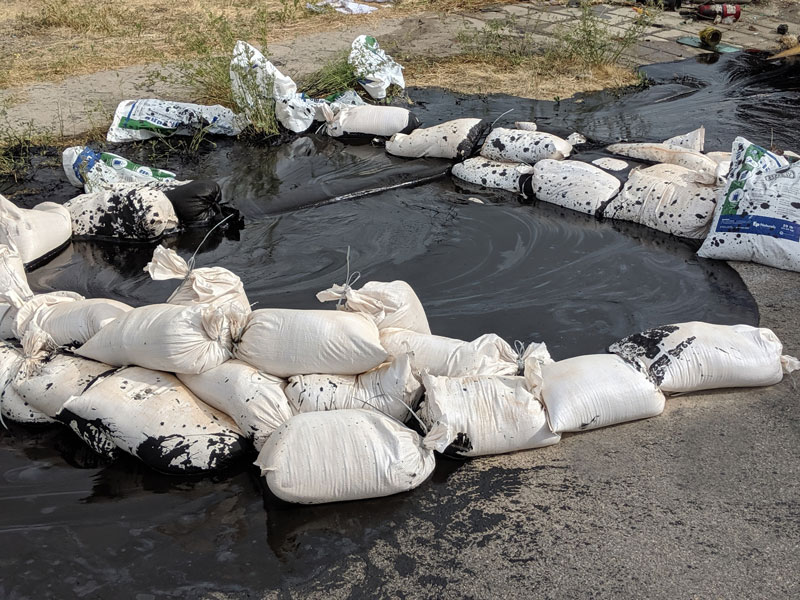
Cleanup Techniques for Crude Oil Spills
Cleaning up crude oil spills is a complex and challenging task. The methods used depend on the type of oil spilled, the location of the spill, and the environmental conditions. Here are some of the most common techniques:
1. Containment and Skimming - Containment and skimming are usually the first steps in addressing an oil spill. Booms, which are floating barriers, are deployed to contain the spread of oil on the water's surface. Once contained, skimmers are used to remove the oil from the water. While this method is effective in calm waters, rough seas and strong currents can reduce its efficiency.
2. Chemical Dispersants - Chemical dispersants are used to break down the oil into smaller droplets, which makes it easier for natural processes to degrade the oil. Dispersants can be sprayed from boats or aircraft directly onto the spill. However, their use is controversial because while they can reduce the visible impact of a spill, they can also increase the exposure of marine life to toxic chemicals.
3. Bioremediation - Bioremediation is a technique that uses microorganisms to break down and degrade oil. This method can be particularly effective in sensitive environments where mechanical cleanup methods could cause more harm than good. Bioremediation can be enhanced by adding nutrients to the affected area to speed up the growth of oil-degrading bacteria.
4. In-situ Burning - In-situ burning involves setting fire to the oil while it is still floating on the water. This method can quickly remove large amounts of oil, but it must be carefully managed to avoid creating additional environmental hazards, such as air pollution. In-situ burning is typically used in remote or Arctic regions where other methods are less effective.
5. Manual Cleanup - In some cases, particularly along coastlines, manual cleanup may be necessary. This involves teams of workers physically removing oil from beaches, rocks, and vegetation. This method is labor-intensive and time-consuming but can be essential for preventing long-term environmental damage.
6. Advanced Technologies and Innovations - Advancements in technology have led to the development of new tools and techniques for oil spill response. These include oil-eating enzymes, genetically engineered bacteria, and even drones for monitoring and assessing spills. Research and development in this field continue to evolve, providing hope for more effective and efficient spill response in the future.
The Role of Companies Like EnviroCare
Companies like EnviroCare play a crucial role in the response to and mitigation of oil spills. They offer specialized services and products designed to minimize the environmental impact of spills and aid in the cleanup process. With expertise in environmental management and cutting-edge technology, EnviroCare elps ensure that cleanup efforts are both effective and sustainable.
By partnering with experts, industries can better prepare for potential spills and respond more swiftly when they occur, reducing the overall damage to the environment.
The Path Forward: Prevention and Preparedness
While cleaning up oil spills is vital, prevention is the best strategy. Stringent regulations, regular maintenance of equipment, and the adoption of safer technologies are essential to reducing the risk of spills. Additionally, having comprehensive response plans in place ensures that if a spill does occur, it can be contained and managed quickly.
1. Stricter Regulations and Enforcement
Governments and regulatory bodies must enforce strict regulations to prevent oil spills. This includes ensuring that companies follow best practices for drilling, transportation, and storage of oil. Regular inspections and penalties for non-compliance can motivate companies to maintain high safety standards.
2. Investment in Research and Development
Investing in research and development can lead to safer drilling technologies, better spill detection methods, and more effective cleanup techniques. Companies and governments should collaborate on initiatives that prioritize environmental protection and sustainability.
3. Public Awareness and Education
Raising public awareness about the environmental impact of oil spills can drive demand for cleaner energy sources and push for stronger environmental policies. Education programs can also empower communities to respond effectively to spills in their local areas.
Conclusion
Crude oil spills are a significant environmental hazard with far-reaching consequences. From devastating marine ecosystems to contaminating terrestrial habitats, the effects are both immediate and long-lasting. However, through a combination of effective cleanup techniques and proactive measures, we can mitigate the damage and work towards a future where such spills are a rare occurrence.