Choosing Between Solo Trekking and Guided Support in Nepal’s Toughest High Passes
Introduction to the Everest Three Passes Trek Guide
The Everest Three Passes Trek guide is one of the most searched resources by trekkers preparing to face Nepal’s most demanding trail. With Renjo La, Cho La, and Kongma La passes all sitting above 5000 meters, this route offers serious adventure. However, many trekkers debate whether to go with a guide or attempt it alone. The experience differs greatly depending on that decision, and so does the outcome. What seems like a challenge at first becomes far more manageable with the right support, especially in such high and isolated terrain.
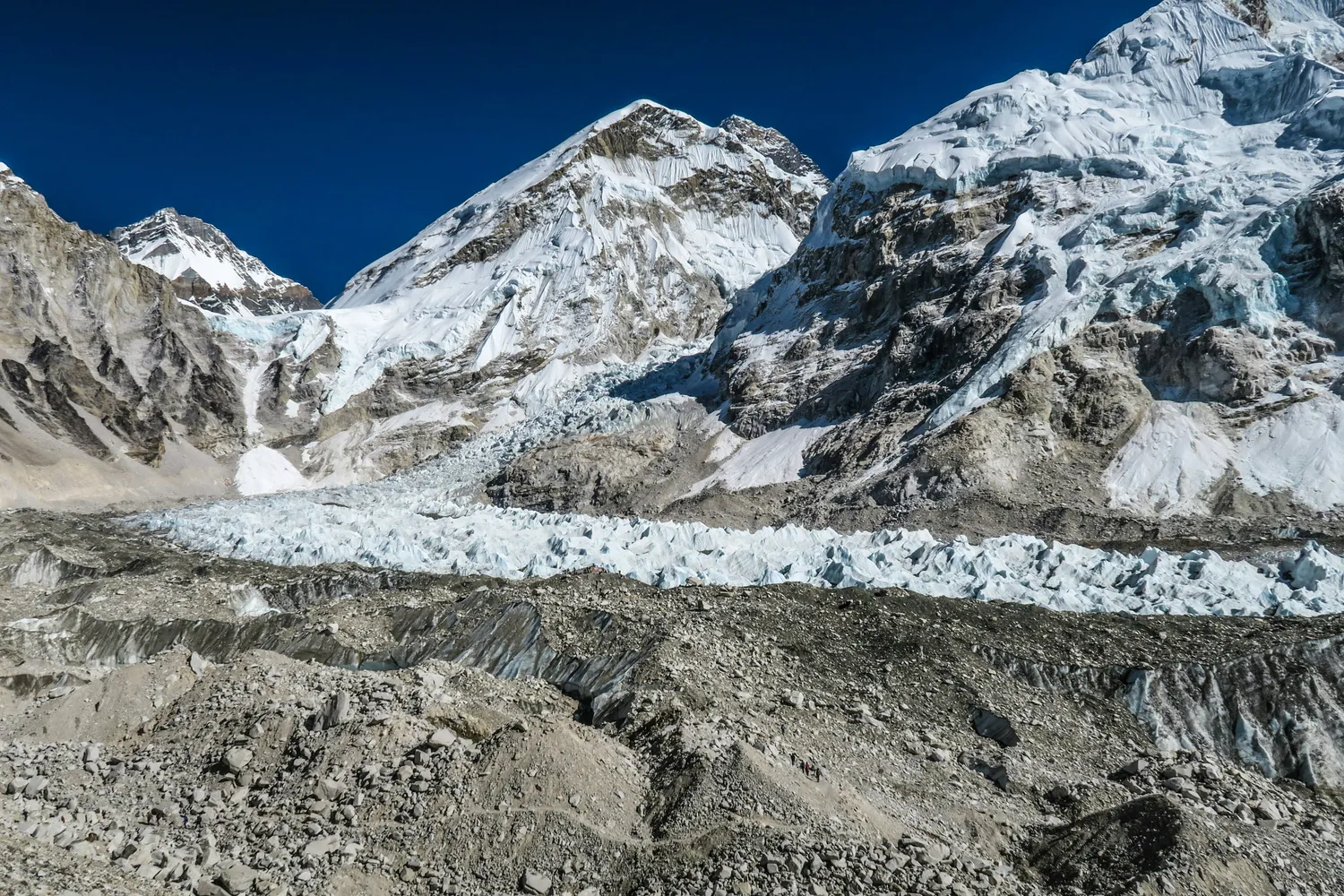
Understanding the Route and Its Demands
The trail moves through some of the most remote areas in the Khumbu region. Unlike the classic Everest Base Camp trek, the Three Passes route connects valleys through icy passes where weather changes quickly and trails are less traveled. These paths can become blocked by snow or hidden under shifting rocks. This is where having a guide makes a noticeable difference.
Guides are not only familiar with the trail conditions but also trained to detect early signs of altitude sickness, manage route decisions during bad weather, and help communicate with locals in villages where English is rarely spoken. Without a guide, trekkers may find themselves miscalculating elevation gains, choosing dangerous paths, or even getting lost in white-out conditions.
Challenges of Trekking Without a Guide
Solo trekkers often underestimate the mental and physical toll of crossing three high passes in a single trek. Long walking hours, steep ascents, and freezing conditions combine with low oxygen levels. You carry all your own gear, manage logistics, arrange accommodation, and handle every risk yourself.
When things go wrong, help may be hours or even days away. Phone signals are unreliable, and trails between passes often have no settlements for miles. Even well-prepared hikers report navigation errors due to unclear signs, snow-covered markers, or washed-out bridges.
Without a guide, you are also responsible for securing restricted permits correctly and checking which sections require TIMS or local government authorizations. Making a mistake here can result in being turned away or fined.
Advantages of Hiring a Guide for the Three Passes
A licensed guide changes the journey significantly. Not only do they know the best tea houses for rest and food, but they also build flexibility into the route based on your pace and weather updates. Many guides also carry oxygen meters or oximeters to check your altitude tolerance daily.
More importantly, a guide provides emotional support when your energy dips and motivation fades. On trails like Kongma La, which can be steep and exposed to wind, this support is more than welcome. Guides are trained to keep the trek moving safely while still making it enjoyable.
You also avoid the stress of booking ahead during peak seasons and worrying about route-finding. Local guides often know detours in case of rockfall or closed passes, and can adjust the journey without delay.
Cost Comparison and Long-Term Value
Some trekkers skip a guide to save costs. While solo trekking might cut daily expenses, the hidden costs of mistakes, altitude illness, or delays can outweigh those savings. Evacuation by helicopter is expensive and rarely covered in full by insurance if negligence is proven. Losing a few days due to illness or wrong turns also means you might miss the completion of the full circuit.
Hiring a guide also helps local employment and ensures a smoother cultural exchange with communities along the route. Many guides grew up in the region and offer insights that go beyond guidebooks or apps.
Final Thoughts
The Everest Three Passes Trek guide should not only prepare you with facts but also help you choose wisely between going solo and hiring help. While experienced trekkers might manage without one, the risks are real, and the rewards of guided trekking are hard to ignore. With a guide, you travel safer, worry less, and gain deeper knowledge of the Himalayas beyond just the views. In high passes where nature sets the rules, preparation and support are everything.