In the realm of civil engineering and construction, the use of innovative materials and techniques is essential to ensure the durability and stability of structures. Reinforced concrete piles and wire rods play a crucial role in fortifying foundations and enhancing the overall strength of buildings. This article explores the significance of these materials in construction and their collaborative impact on structural integrity.
Reinforced Concrete Piles
Reinforced concrete piles are foundational elements used to support structures and distribute loads efficiently. They are cylindrical columns made from concrete, reinforced with steel to withstand vertical and lateral forces. The combination of concrete and steel creates a robust synergy, addressing the limitations of each material individually.
One key advantage of concrete piles is their ability to resist compression and tension forces. In compression, the concrete bears the load, while the steel reinforcement counteracts tension forces. This dual action enhances the pile's overall load-bearing capacity and resilience against external pressures, making it an ideal choice for supporting heavy structures.
Furthermore, concrete piles are versatile in terms of design and installation. They can be cast-in-place or precast, allowing for adaptability in various construction scenarios. Their versatility extends to different soil conditions, making them suitable for both cohesive and non-cohesive soils.
Wire Rods: Strengthening the Core
Wire rods, also known as reinforcing bars or rebars, are essential components in reinforcing concrete structures. Comprising high-strength steel, rods are strategically embedded in concrete to enhance its tensile strength and ductility. The use of rods prevents cracks from developing in the concrete, ensuring the structural integrity of the entire system.
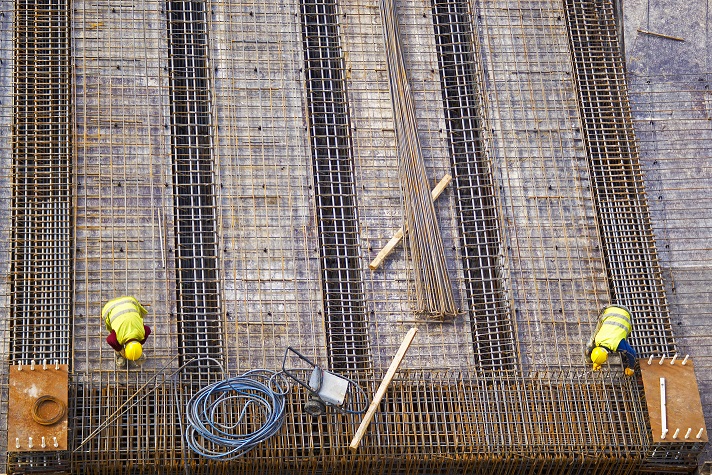
The integration of rods into reinforced piles is a symbiotic relationship. While concrete provides resistance to compression forces, rods fortify the structure against tension forces. The combination results in a robust foundation capable of withstanding diverse and dynamic loads, making it indispensable for structures in earthquake-prone or high-wind regions.
The Importance of Quality Materials and Construction Practices
The effectiveness of reinforced piles and rods lies not only in the materials themselves but also in the quality of construction practices. Proper design, meticulous installation, and regular inspection contribute to the long-term durability and stability of structures.
Design engineers must consider factors such as soil conditions, structural loads, and environmental elements when specifying the dimensions and reinforcement requirements for reinforced piles. Similarly, the correct placement and alignment of rods during concrete pouring are crucial to ensure optimal strength and performance.
Conclusion
In conclusion, concrete piles and rods stand as integral components in modern construction, providing the necessary strength and stability to withstand diverse environmental and structural challenges. The combination of concrete's compressive strength and steel's tensile strength creates a resilient foundation, safeguarding structures against the test of time.
As construction technologies advance, it is imperative for industry professionals to prioritize the use of quality materials and adhere to best practices in design and construction. The collaboration between reinforced concrete piles and rods exemplifies the synergy achieved through thoughtful engineering and construction practices, ultimately ensuring the longevity and safety of the built environment.
(Group Industries, a pioneering force in the construction materials sector, remains at the forefront of innovation, providing cutting-edge solutions to meet the evolving needs of the industry.