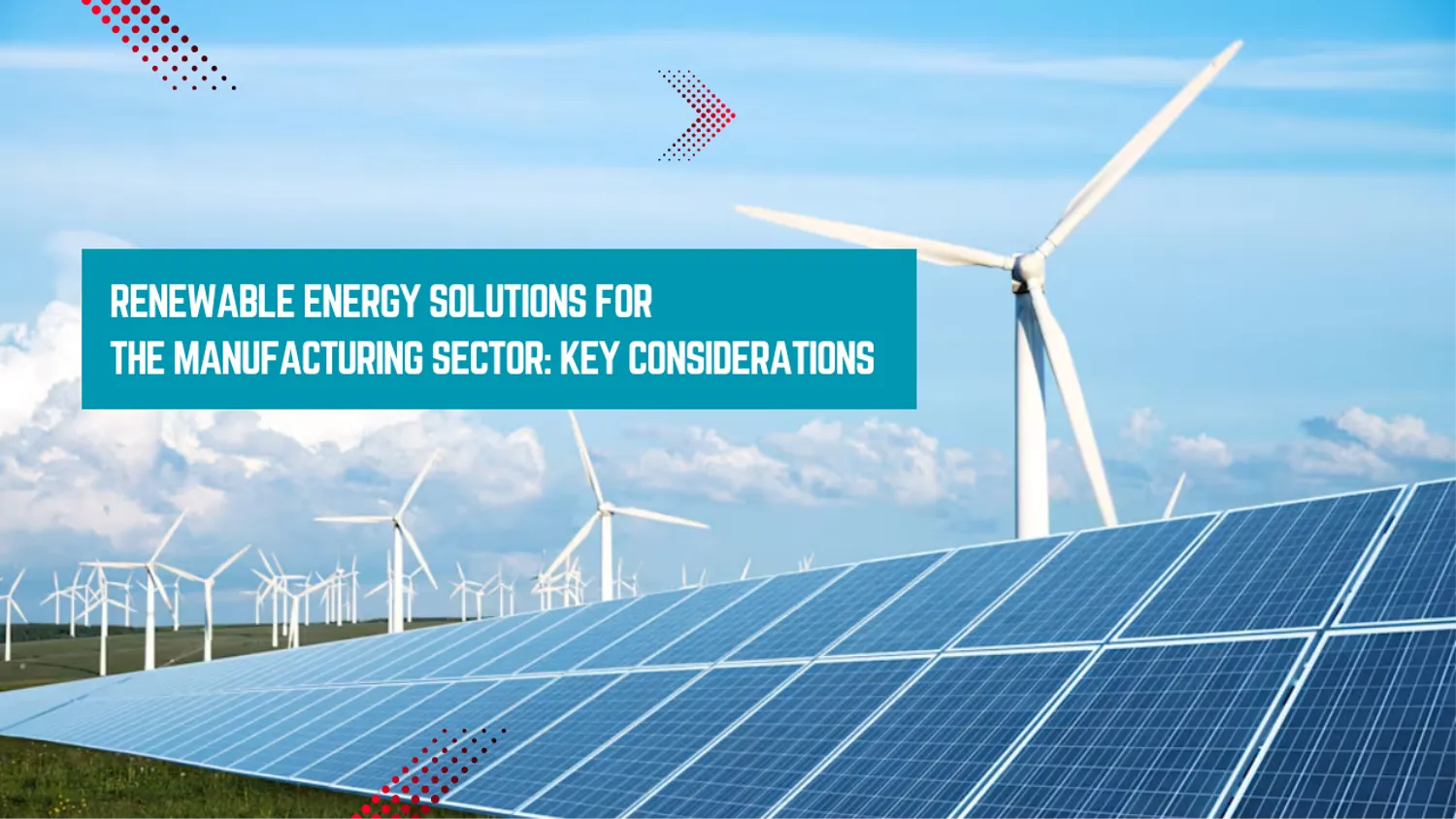
A huge 24 million jobs are expected to be created worldwide by 2030. This is due to the move towards renewable energy like solar, wind, and hydroelectric power. The manufacturing sector, a big energy user, is key in this shift. It aims to cut down its environmental harm by using renewable energy and sustainable practices.
Adding renewable energy to power grids can cut costs by 10-30% for energy companies. This makes renewable energy a good choice for manufacturers wanting to save money. The Indian government plans to reach 500 GW of renewable energy by 2030. This growing demand for reliable renewable energy solutions is pushing for more sustainable and green manufacturing practices.
Understanding Renewable Energy Solutions in Manufacturing
Renewable energy technologies are key for the manufacturing sector. They offer a cleaner, more sustainable option than traditional energy sources. By using renewable energy, manufacturers can cut down on fossil fuels and lower their carbon footprint.
This helps fight climate change and makes energy use more efficient. It also cuts down on energy costs.
Clean energy sources like solar and wind power provide a steady energy supply. This is crucial for manufacturing. Advances in these technologies have made them more efficient and affordable.
As India targets net zero emissions by 2070, using renewable energy in manufacturing is essential. It's a big step towards achieving this goal.
Types of Renewable Energy Technologies
There are several renewable energy technologies available to manufacturers, which can help reduce energy costs and enhance sustainability. Key options include solar, wind, and hydroelectric power. Each technology provides different benefits, and manufacturers can choose the best fit for their operations.
For solar power, manufacturers can explore different installation types, such as ground-mount solar, which involves placing solar panels on the ground in open areas; carport solar, which utilizes parking structures to install solar panels and provide both energy generation and shaded parking spaces; and rooftop solar, which involves installing panels directly on the roofs of buildings to harness sunlight without taking up additional land space.
By integrating these renewable energy sources, manufacturers can lower their energy costs, increase operational efficiency, and contribute to environmental responsibility through the use of clean, renewable energy.
Solar Power Integration in Industrial Operations
Solar power is key in industrial operations, helping companies cut energy costs and boost efficiency. By using solar, manufacturers can also support the environment and attract eco-friendly customers.
With solar panels, energy storage, and smart systems, industries can use energy better and depend less on fossil fuels. Companies like Enerparc can help design solar systems that fit each business's needs.
There are many advantages to using solar in industrial settings. Companies can save up to 40% on energy costs each year. The investment can pay off in about four years. Governments offer big help with subsidies, tax breaks, and faster depreciation for solar projects.
Adopting solar power gives companies a competitive edge through innovation and long-term savings. Sustainable companies find more chances in global markets that value green practices. As India targets 280 GW of solar by 2030, solar's role in industry will grow, benefiting the economy and environment.
Energy Performance Contracting (EPC) for Manufacturers
Energy performance contracting (EPC) helps manufacturers use less energy and save money. It includes energy audits, upgrades, and ongoing management. This way, manufacturers can be more energy-efficient and help the environment.
Benefits of EPC Models
EPC models bring many advantages. They improve energy use, cut costs, and help the planet. For example, Enerparc's EPC services help manufacturers use energy better and reduce their impact on the environment. This approach can lead to big savings and a healthier bottom line.
Implementation Strategies
Starting an EPC project needs careful planning. Manufacturers should work with skilled EPC contractors. This ensures a smooth process and maximizes the benefits of EPC.
Cost Considerations and ROI
When looking at EPC costs and ROI, think about long-term savings. Investing in energy-efficient upgrades and management can save a lot of money. With EPC contractors, manufacturers can create a plan that balances costs and ROI, leading to a successful project.
Independent Power Producer (IPP) Partnerships
The world is moving towards renewable energy, and independent power producers (IPPs) are key players. They help reduce our use of fossil fuels. Through partnerships, manufacturers can get access to clean and reliable energy, which is good for the planet.
The market for IPPs and energy traders is expected to grow fast, at about 8% each year from 2024 to 2032. This shows how important IPPs are becoming.
Renewable energy is getting cheaper over time, which means lower electricity costs for everyone. This is a big win for consumers.
IPP partnerships help manufacturers deal with the challenges of renewable energy. They can lower their energy costs and improve their efficiency. This also helps them be more environmentally friendly. As we all want more renewable energy, working with IPPs is key to a green future.
Smart Energy Trading Systems for Manufacturing
Manufacturers can cut down on energy costs by using smart energy trading systems. These systems help manage energy in real-time and work with the grid. They use advanced tech like IoT and AI to help manufacturers use less energy.
Real-time Energy Management
Real-time energy management is key in smart energy trading systems. It lets manufacturers see how much energy they use right away. This helps them find ways to use less energy and save money.
Grid Integration Strategies
Grid integration strategies are also important. They help manufacturers control how they use and distribute energy. This makes sure they have a steady and reliable energy supply. It also helps them save on energy costs.
Enerparc knows a lot about energy trading. They can help manufacturers understand and use smart energy systems. This way, manufacturers can save money, use energy better, and help the planet.
Technical Requirements and Infrastructure Needs
When adding renewable energy, companies must look at their tech needs and infrastructure. Enerparc's knowledge in renewable energy helps them meet these challenges. This way, they can enjoy the perks of using green energy. The needs for renewable energy vary based on the source, like solar or wind.
Solar panel setups need a lot of space and special setup for panels and inverters. Keeping them clean and checked is key for best performance. The National Renewable Energy Laboratory (NREL) says clean solar panels can keep 95% efficiency after 25 years. Knowing their tech and infrastructure needs helps companies make smart green energy choices.
Going green can really cut down on costs, with solar saving up to 30% a year. Big solar projects can run at 20-25% capacity, depending on where they are and the tech used. By focusing on tech and infrastructure, companies can fully use renewable energy and help the planet.
Financial Benefits and Investment Analysis
Investing in renewable energy can bring big financial wins for manufacturers. They can save money, get government help, and see long-term gains. Enerparc's knowledge in renewable energy helps manufacturers understand these benefits. This ensures they make smart choices about their energy investments.
Cost Savings Potential
Renewable energy can cut energy costs by $10,000 to $30,000 over its life. Solar energy, for example, can last 25 years or more. This means steady returns on investment. Plus, solar panels are now 20% to 25% more efficient than before.
Government Incentives and Subsidies
Government incentives, like the Federal Investment Tax Credit (ITC), help manufacturers. They can get back up to 26% of the costs through tax credits. This lowers the initial cost of renewable energy. Investing in renewables can also boost property value and improve a company's image.
Long-term ROI Projections
The cost of solar tech has dropped by over 80% since 2010. This makes investing in renewables more appealing. The global solar market is expected to grow by 20% each year until 2028. A detailed investment analysis can reveal the financial benefits of renewable energy, positively affecting a company's profits.
Environmental Impact and Sustainability Benefits
The Earth has warmed by 1.5 degrees since the industrial era. This shows we need renewable energy fast. Wind and solar power don't release carbon dioxide, unlike fossil fuels. They help lower the Earth's temperature.
Building facilities for sustainable energy creates jobs and boosts local economies. It also cuts down pollution from old energy sources. This makes air and water cleaner, improving public health.
Companies like Mahindra Susten have built over 1.5 GWp of renewable energy projects. This supports the renewable energy sector's growth. By choosing renewable energy, companies can cut down on fossil fuel use and emissions. It's also getting cheaper, making it a smart choice for the planet.
Regulatory Compliance and Industry Standards
Manufacturers face many challenges in following rules and standards for renewable energy. Enerparc's knowledge in renewable energy helps them meet these rules. The rules and standards change based on the energy source and technology used.
Current Regulations
In the EU and UK, getting permits is key to follow environmental laws and energy goals. The European Environment Agency and the UK Environment Agency watch over these rules. They make sure software for managing compliance meets European and UK standards.
Future Policy Trends
Energy regulators in the EU and UK have big plans for renewable energy. They support investments in clean energy. The EU and UK have laws to boost energy efficiency, like using new technologies.
Certification Requirements
Certifications, like those from the International Organization for Standardization (ISO), are important. They show a company's dedication to following rules and standards. This helps make the energy sector more sustainable and efficient.
Case Studies: Successful Manufacturing Sector Implementations
The manufacturing sector has grown a lot by using renewable energy. Many companies, like Enerparc, have helped manufacturers understand renewable energy. By looking at these examples, manufacturers can learn and use renewable energy in their own work.
In India, big projects show how renewable energy can help manufacturing. The Bhadla Solar Park is the biggest solar park, covering 14,000 acres. The Pavagada Solar Park is also huge, with 2 GW capacity and 13,000 acres. These projects show the big potential of renewable energy.
Other examples include the Muppandal Wind Farm and the Kurnool Ultra Mega Solar Park. The Rewa Solar Project has also been successful, with low solar tariffs. These examples show how renewable energy can cut down CO₂ emissions and make manufacturing more sustainable.
Companies like Pinnacle Engineering Solutions have also helped a lot. They've done over 5,000 projects and installed more than 10,000 ABT/SEM meters. Their work has helped many manufacturers switch to renewable energy. By learning from these examples, manufacturers can make better choices for a greener future.
Conclusion: Embracing Renewable Energy Solutions for Manufacturing Excellence
As the world shifts towards a greener future, manufacturers are key players. They can lead by adopting renewable energy. This move not only boosts their performance but also helps the planet. Enerparc's knowledge in renewable energy helps manufacturers on this path, leading to better energy use, lower costs, and a cleaner environment.
In places like the UK and India, setting high renewable energy goals is common. Manufacturers need to keep up to stay ahead and protect the environment. Using wind and solar power, they can cut down on fossil fuel use. This makes them leaders in eco-friendly practices.
The journey to a renewable future comes with its hurdles. But, with smart planning and the right partners, manufacturers can succeed. They will find the path to a future powered by clean energy rewarding.
FAQ’s:
What are the different types of renewable energy technologies available for manufacturers?
Manufacturers can use solar, wind, and hydroelectric power. These clean energy sources are good for industrial operations.
What are the current energy challenges facing the manufacturing sector?
Manufacturers face high energy demand and limited access to renewable energy. Sustainable energy solutions can help. They reduce costs, improve efficiency, and protect the environment.
How can solar power integration benefit industrial operations?
Solar power can cut energy costs and boost efficiency. It's good for the planet too. Enerparc can help design solar systems for manufacturers.
What is Energy Performance Contracting (EPC), and how can it benefit manufacturers?
EPC improves energy efficiency and lowers costs. It includes audits, upgrades, and ongoing management. This approach benefits the environment and saves money.
How can Independent Power Producer (IPP) partnerships benefit manufacturers?
IPP partnerships offer reliable, sustainable energy. They reduce fossil fuel use and help the environment. Enerparc can guide manufacturers through these partnerships.
What are the benefits of smart energy trading systems for manufacturers?
Smart energy systems optimize energy use and cut costs. They offer real-time management and grid integration. Enerparc can help manufacturers use these systems effectively.
What are the technical requirements and infrastructure needs for renewable energy solutions in manufacturing?
The needs vary by energy source and technology. Enerparc can help manufacturers understand these needs. This ensures they can use renewable energy effectively.
What are the financial benefits and investment considerations for renewable energy solutions in manufacturing?
Renewable energy offers cost savings and government incentives. It also has long-term benefits. Enerparc can help manufacturers make informed energy investments.
What are the environmental impact and sustainability benefits of renewable energy solutions in manufacturing?
Renewable energy reduces emissions and promotes sustainability. Enerparc can help manufacturers understand these benefits. This ensures they can use renewable energy responsibly.
What are the regulatory compliance and industry standards for renewable energy solutions in manufacturing?
Standards vary by energy source and technology. Enerparc can guide manufacturers on compliance and standards. This ensures they meet current and future regulations.
What can manufacturers learn from case studies of successful renewable energy implementations?
Case studies offer valuable insights and lessons. Enerparc can help manufacturers apply these lessons to their operations. This ensures they can benefit from renewable energy.
Source Links
- https://www.herofutureenergies.com/blog/renewable-energy-challenges-and-solution/ - Scaling Renewable Energy: Challenges & Effective Solutions
- https://biotechnologyforbiofuels.biomedcentral.com/articles/10.1186/s13068-024-02571-9 - Biofuel production: exploring renewable energy solutions for a greener future - Biotechnology for Biofuels and Bioproducts
- https://kpgroup.co/the-importance-of-green-energy-solutions-in-manufacturing/ - The Importance of Green Energy Solutions in Manufacturing
- https://www.achilles.com/industry-insights/understanding-the-renewable-energy-supply-chain/ - Understanding the Renewable Energy Supply Chain | Achilles
- https://sovasolar.com/empowering-industries-with-solar-why-renewable-energy-is-the-future-of-commercial-growth/ - Empowering Industries with Solar for a Sustainable Future
- https://omsolar.in/solar-power-revolutionizing-industrial-energy-consumption/ - How Solar Power is Transforming Industrial Energy Consumption in India
- https://cedarcreekenergy.com/the-role-of-epc-contractors-in-solar-energy-projects/ - The Essential Role of EPC Contractors in Solar Energy Projects
- https://ratedpower.com/glossary/engineering-procurement-and-construction-epc/ - Engineering, Procurement, and Construction (EPC) — RatedPower
- https://rawalwasia.in/turnkey-solar-epc/ - Turnkey Solar EPC - Best Solar EPC Company in India
- https://prismecs.com/blog/independent-power-producer-solutions-for-sustainable-energy - Independent Power Producer Solutions for Sustainable Energy
- https://kpenergy.in/independent-power-producer-contribute-sustainable-energy-solutions - kpenergy
- https://blog.iltekno.com/what-is-an-independent-power-producer-ipp/ - What is an Independent Power Producer (IPP)? How They Operate
- https://www.gridx.ai/knowledge/what-is-an-energy-management-system - What is an EMS? - Energy Management System explained – gridX
- https://www.luxoft.com/blog/latest-renewable-energy-trading-trends-benefits-opportunities-and-challenges - Renewable energy trading 101 | Luxoft
- https://tech-stack.com/blog/ai-software-solutions-in-renewable-energy/ - Exploring 2024's Leading AI Software Solutions in the Renewable Energy Sector
- https://www.mrisoftware.com/blog/what-are-infrastructure-requirements-for-utilizing-solar-energy/ - What are infrastructure requirements for utilizing solar energy?
- https://www.ren21.net/gsr-2024/modules/energy_systems_infrastructure/ - Renewable Energy Systems and Infrastructure
- https://www.encardio.com/blog/renewable-energy-sources-in-infrastructure-projects - Renewable Energy Integration in Infrastructure: Harnessing Solar, Wind, Hydro, and More
- https://usolar.in/solar-investment-8-benefits-to-sustainable-future/ - Importance of Solar Investment: 8 Ways Solar Investments Shine | U-Solar
- https://www.iea.org/reports/world-energy-investment-2024/overview-and-key-findings - Overview and key findings – World Energy Investment 2024 – Analysis - IEA
- https://cdnbbsr.s3waas.gov.in/s3716e1b8c6cd17b771da77391355749f3/uploads/2024/10/20241024982237330.pdf - Microsoft Word - India CIF REI IP_Draft_07Oct2024_draft for govt review.docx
- https://blog.routledge.com/social-sciences/what-is-sustainable-energy-and-why-do-we-need-it/ - What is Sustainable Energy and Why Do We Need It? – Routledge Blog
- https://www.herofutureenergies.com/blog/sustainable-energy/ - Sustainable Energy: Overview, Types, Benefits & Challenges
- http://www.mahindrasusten.com/what-are-green-energy-solutions-and-why-are-they-so-important - Mahindra Susten
- https://www.projectfusion.com/regulatory-compliance-in-renewable-energy-projects/ - Regulatory Compliance in Renewable Energy Projects - Project Fusion
- https://www.linkedin.com/pulse/regulatory-compliance-standards-power-sector-ensuring-resilience-ensnc - Regulatory Compliance and Standards in the Power Sector: Ensuring Resilience and Cyber Security
- https://www.linkedin.com/pulse/case-studies-successful-renewable-energy-fer8c - Case Studies of Successful Renewable Energy Projects in India
- https://energy-base.org/news/efficiency-as-a-service-case-studies-5-successful-implementations-to-discover/ - Efficiency-As-A-Service Case Studies: 5 Successful Implementations to Discover | BASE
- https://www.eco-ess.co.uk/the-importance-of-sustainable-energy-solutions-for-future-generations/ - The Importance of Sustainable Energy Solutions for Future Generations - Eco Ess
- https://www.grantthornton.in/insights/thought-leadership/indias-leadership-in-energy-transition-strategic-interventions-for-leading-the-future-of-energy/ - India’s leadership in energy transition: Strategic interventions for leading the future of energy
- https://www.energeia.in/unlocking-the-untapped-potential-the-case-for-energy-efficiency-in-combating-climate-change/ - Unlocking the Untapped Potential: The Case for Energy Efficiency in Combating Climate Change