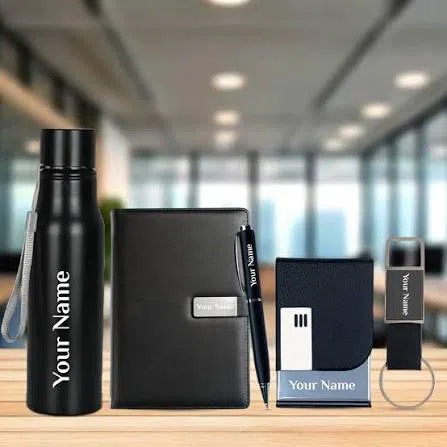
Imagine attending a business event where several companies are showcasing their products and services. You visit different booths, collect brochures, exchange business cards, and listen to presentations. Before leaving, one company hands you a small, creatively designed gift with its logo. It might be a useful notebook, a colorful keychain, a stress-relief toy, or a reusable water bottle.
Weeks later, you are cleaning your desk and come across that little gift again. You recognize the company name, remember the event, and recall the positive experience you had at its booth.
This simple situation explains why promotional gifts can be valuable marketing tools. Businesses do not always need expensive merchandise or elaborate campaigns to make their brands memorable. Sometimes, a small and thoughtfully selected item can create a lasting impression.
From improving brand visibility to encouraging customer engagement, promotional products offer businesses creative ways to connect with their audiences.
1. Small Gifts Help Keep Your Brand Visible
One of the biggest advantages of promotional gifts is their ability to keep a brand in front of potential customers. Unlike traditional advertisements that disappear after a campaign ends, physical promotional products can remain useful for months or even years.
Consider a customer who receives a branded coffee mug from a company. Every time they use it at home or work, they see the company's logo. Similarly, a customized notebook, desk accessory, or reusable shopping bag can provide repeated brand exposure.
These everyday interactions help people become more familiar with a business. Although a promotional item may not immediately generate a sale, it can make the brand easier to recognize when a customer eventually needs its products or services.
The key is to choose items that people will genuinely want to use rather than products that are likely to be forgotten or discarded.
2. They Create Positive Connections with Customers
Marketing is not only about promoting products and services. It is also about building relationships and creating positive experiences.
A thoughtful gift can make customers feel appreciated, especially when it is offered without expecting an immediate purchase. It communicates that a business values its audience and wants to create a meaningful connection.
For example, a company attending an industry exhibition might distribute small gift packages containing useful office accessories. Visitors may initially stop by out of curiosity, but the practical gift can help them remember the interaction after the event.
Similarly, businesses can send small appreciation gifts to existing customers during holidays, product launches, or special milestones.
These gestures can help create goodwill and encourage customers to maintain their relationship with a brand.
3. Useful Promotional Products Encourage Repeated Exposure
Not every promotional product creates the same marketing value. The usefulness of an item often determines how frequently someone interacts with it.
A practical product that fits naturally into someone's daily routine has more opportunities to generate brand exposure than an item with little functional value.
Some popular options include:
Reusable drinkware: Branded water bottles and travel mugs that people can carry to work, the gym, or social gatherings.
Office accessories: Customized pens, notebooks, desk organizers, and mouse pads for everyday professional use.
Technology products: Phone stands, charging accessories, and laptop sleeves that support modern work habits.
Bags and apparel: Tote bags, caps, and T-shirts that offer additional visibility in public spaces.
Fun desk accessories: Stress-relief toys, colorful collectibles, and playful merchandise that add personality to workspaces.
Businesses should consider their target audience before selecting products. A technology accessory might appeal to professionals, while a fun desk toy could be a memorable choice for a creative workplace or casual promotional campaign.
4. Small Gifts Make Events and Trade Shows More Memorable
Trade shows, conferences, networking events, and exhibitions provide excellent opportunities for businesses to introduce themselves to new audiences.
However, attendees often visit multiple booths and receive promotional materials from several companies. Without something distinctive, it can be difficult for a brand to stand out.
Creative giveaways can make these interactions more memorable. Instead of distributing only standard brochures, businesses can offer small products that encourage visitors to stop, interact, and learn more.
For example, a company could create a themed giveaway connected to its industry or campaign message. An engaging desk accessory or an unusual stress-relief item may attract attention and start conversations.
The most effective event giveaways combine creativity with relevance. A product should reflect the company's personality while giving recipients a reason to remember the interaction.
5. They Offer Marketing Opportunities on Different Budgets
Promotional marketing does not always require a large investment. Small businesses, startups, and established organizations can all use customized merchandise to support their marketing activities.
The important factor is selecting products that provide practical value within the available budget.
For example, a startup might distribute branded pens and notebooks at a local networking event, while a larger organization could create customized gift kits for customers and employees.
When businesses purchase products in appropriate quantities, they may also find opportunities to manage costs without compromising quality.
Thoughtfully selected corporate promotional gifts can support several marketing activities, including customer appreciation, employee recognition, product launches, seasonal campaigns, and event giveaways.
Rather than focusing only on the price of each item, businesses should consider its usefulness, quality, audience relevance, and potential for repeated exposure.
6. Creative Gifts Help Brands Show Their Personality
A promotional product is more than an item carrying a company logo. It can also communicate a brand's personality and values.
For example, a business that wants to appear modern and innovative might choose technology accessories or creative desk products. A company focused on sustainability could consider reusable bags, drinkware, or responsibly sourced merchandise.
Playful products can also make a brand feel more approachable. Unusual desk toys, colorful accessories, and stress-relief items can introduce a sense of humor into otherwise traditional marketing campaigns.
The goal is to select products that reflect the brand's identity while appealing to the people receiving them.
A memorable promotional gift does not necessarily have to be unusual or expensive. Sometimes, thoughtful customization and relevant product selection are enough to make an ordinary item feel special.
7. How to Choose Promotional Gifts That People Actually Appreciate
Choosing the right promotional merchandise requires more thought than simply adding a logo to an inexpensive product. Businesses should understand their audience and consider how recipients might use the items.
Here are a few practical tips:
Understand your audience: Consider customers' interests, professions, lifestyles, and everyday needs before selecting products.
Focus on quality: A well-made promotional item reflects positively on the business. Poor-quality products may create an unfavorable impression.
Keep branding simple: Make sure logos, colors, and messages are visible without overwhelming the product's design.
Choose practical items: Products that solve small everyday problems or provide regular use are more likely to remain with recipients.
Connect gifts with your campaign: Select merchandise that supports the purpose of the marketing activity, whether it is improving awareness, celebrating customers, or promoting a new service.
Think beyond traditional merchandise: Explore creative products that encourage curiosity and conversation while remaining relevant to your audience.
Conclusion
Small promotional gifts can play a meaningful role in building brand awareness and creating stronger relationships with customers. Their value comes from the experiences they create, the usefulness they offer, and the opportunities they provide for repeated brand exposure.
From practical office accessories to playful desk merchandise, the right products can help businesses stand out in crowded markets without relying entirely on expensive advertising campaigns.
Ultimately, successful promotional marketing is not about giving away the most products or choosing the biggest gifts. It is about understanding what people appreciate and selecting items that make a positive impression. When a small gift is useful, creative, and thoughtfully branded, it can help a business stay memorable long after the first interaction.