Understanding Environmental Friendly Promotional Products
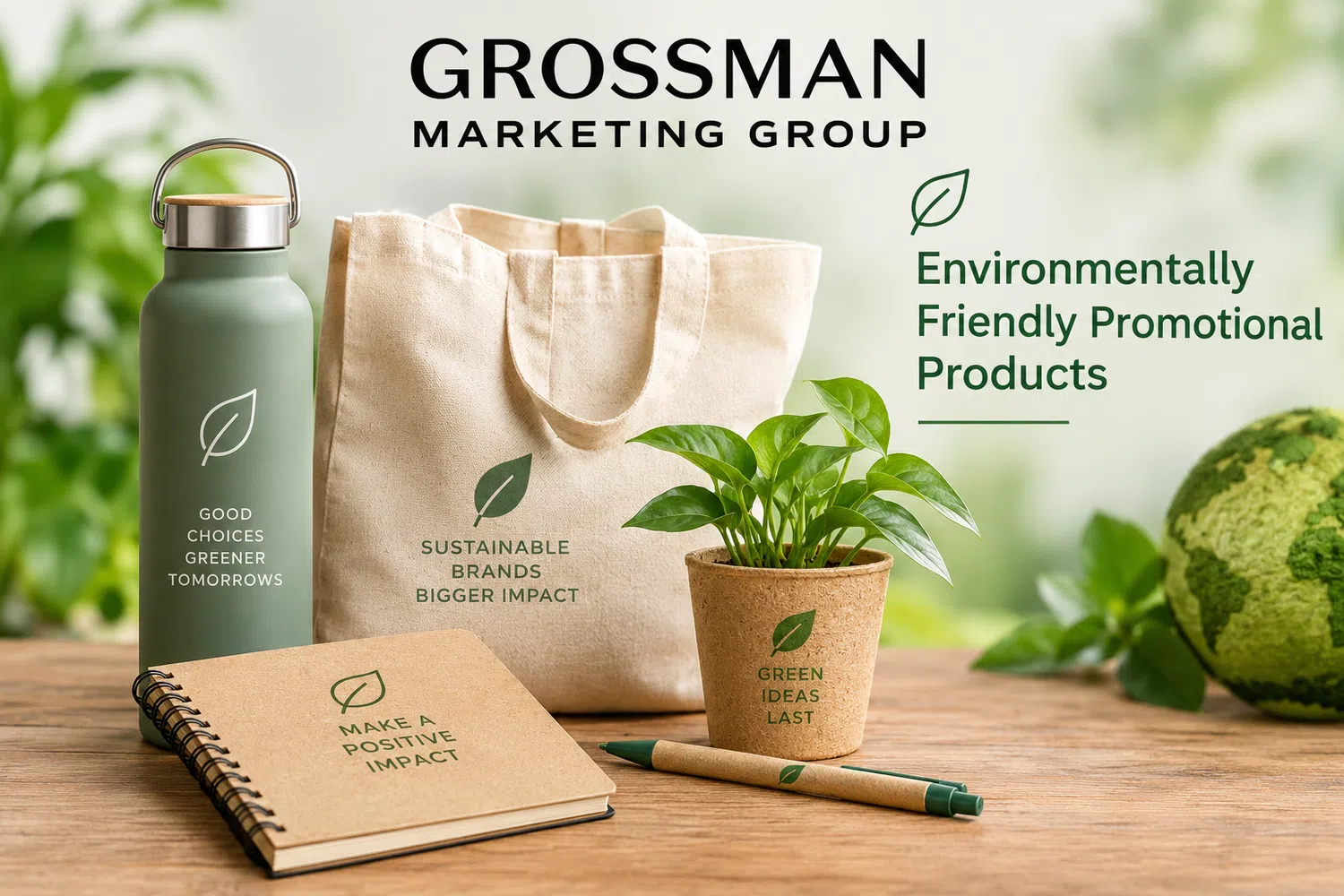
Businesses are increasingly looking for ways to promote their brands while making thoughtful decisions about the products they purchase and distribute. Promotional merchandise remains an effective marketing tool because it helps companies build recognition, engage customers, and maintain relationships with employees and business partners. However, businesses are also considering the environmental impact of their marketing materials. Environmental friendly promotional products offer an opportunity to combine brand visibility with more responsible product choices. These items may include reusable bags, recycled notebooks, refillable bottles, and products made from renewable or responsibly sourced materials.
Why Sustainable Promotional Merchandise Matters?
Promotional products can create lasting brand impressions when recipients find them useful. Items that are durable and designed for repeated use can provide ongoing exposure while reducing the need for frequent replacements. Businesses can incorporate environmental conscious merchandise into trade shows, corporate events, employee welcome kits, customer appreciation programs, and marketing campaigns.
Choosing products with practical applications also helps companies make their promotional budgets more effective. A reusable water bottle, for example, may remain in use long after an event, keeping the company's branding visible in everyday settings. Similarly, reusable shopping bags and durable office accessories can support repeated interactions with a brand. These benefits make sustainability-focused merchandise an appealing option for organizations seeking practical and memorable promotional strategies.
Popular Types of Eco-Friendly Promotional Products
Businesses have many options when selecting merchandise that reflects their environmental priorities. Reusable tote bags made from cotton or other suitable materials can replace some single-use shopping bags. Refillable drinkware offers a practical alternative to disposable cups and bottles, while recycled-paper notebooks and pens provide useful choices for meetings, conferences, and educational events.
Other options include products made with recycled plastics, renewable materials, or responsibly sourced wood. Reusable lunch containers, durable travel accessories, and selected biodegradable products may also suit specific promotional campaigns. However, businesses should evaluate product claims carefully because environmental benefits vary according to materials, manufacturing processes, durability, and disposal requirements.
Selecting merchandise that recipients are likely to use is just as important as choosing materials. A practical, high-quality product can provide more lasting value than an item that is quickly discarded.
Choosing Products That Align With Brand Values
Every promotional product communicates something about the organization distributing it. Businesses should therefore select merchandise that reflects their brand identity, audience preferences, and marketing objectives. A technology company might choose reusable charging accessories or recycled-material stationery, while a wellness brand may prefer reusable bottles and practical everyday bags.
Companies should also consider their audiences when selecting products. Employees, customers, event attendees, and business partners may have different needs and preferences. Understanding these differences helps businesses choose merchandise that feels relevant rather than generic.
Product quality should remain a priority throughout the selection process. Items that break easily or offer limited practical value may need frequent replacement, reducing their long-term usefulness. Environmental friendly promotional products are most effective when they combine appropriate material choices, durability, attractive design, and meaningful functionality.
Evaluating Materials and Environmental Claims
The term eco-friendly can describe many different product characteristics, so businesses should investigate claims before making purchasing decisions. Some products incorporate recycled content, while others use renewable resources or materials sourced through responsible practices. Certain items are designed for reuse, and others may be recyclable or compostable under specific conditions.
These characteristics are not interchangeable. For example, a compostable product may require access to an appropriate composting facility, while a recyclable item may not be accepted by every local recycling program. Likewise, reusable products offer the greatest potential benefit when recipients use them repeatedly.
Businesses should review available material information, supplier documentation, certifications, and disposal guidance. They should also avoid making broad environmental claims that cannot be substantiated. Clear, accurate communication helps organizations make informed purchasing decisions and maintain credibility with customers.
Integrating Sustainable Merchandise Into Marketing Campaigns
Promotional merchandise can become more effective when it supports a broader marketing strategy. Businesses can incorporate eco-conscious products into seasonal campaigns, product launches, employee recognition programs, and customer loyalty initiatives. Coordinating merchandise with campaign messaging creates a more consistent brand experience.
For trade shows and corporate events, organizations can assemble useful merchandise kits featuring reusable bags, notebooks, drinkware, or other relevant items. Employee onboarding programs can include practical branded products that introduce new team members to the company's identity and culture.
Planning is essential to avoid unnecessary purchases. Businesses should estimate demand, consider storage requirements, and select appropriate quantities before placing orders. Thoughtful planning can help minimize excess inventory and reduce the likelihood that unused promotional items will eventually be discarded.
Measuring the Impact of Promotional Merchandise
Businesses should evaluate promotional merchandise according to both marketing performance and purchasing objectives. Useful indicators include recipient engagement, product usage, campaign participation, brand recall, and the cost per item distributed. These measurements can help organizations determine which products deliver meaningful value.
Companies can also review purchasing quantities, product durability, packaging requirements, and supplier information when assessing environmental considerations. Gathering feedback from employees and customers may reveal which products are most useful and which items should be replaced in future campaigns.
Continuous evaluation helps businesses refine their merchandise selections over time. Rather than choosing products solely because they are marketed as sustainable, organizations can focus on verified characteristics, practical usefulness, and alignment with campaign goals.
Working With the Right Promotional Merchandise Partner
Developing an effective merchandise program involves more than choosing individual products. Businesses must coordinate product selection, branding, purchasing, inventory, packaging, and distribution. Without clear planning, these activities can become difficult to manage, especially when campaigns involve multiple locations or large recipient groups.
Grossman Marketing Group helps businesses coordinate branded merchandise and promotional initiatives designed to support brand consistency and operational efficiency. By considering product selection, campaign objectives, and distribution requirements together, organizations can manage merchandise programs more effectively.
Building a More Responsible Promotional Strategy
Environmental friendly promotional products give businesses a practical way to connect brand visibility with thoughtful purchasing decisions. By prioritizing useful items, evaluating material claims, reducing unnecessary orders, and planning distribution carefully, companies can develop merchandise programs that better reflect their values.
With support from Grossman Marketing Group, businesses can coordinate branded merchandise initiatives with their broader marketing goals while maintaining a consistent brand experience. A well-planned approach to promotional products can strengthen customer relationships, improve campaign effectiveness, and help organizations make more informed decisions about the merchandise they distribute.