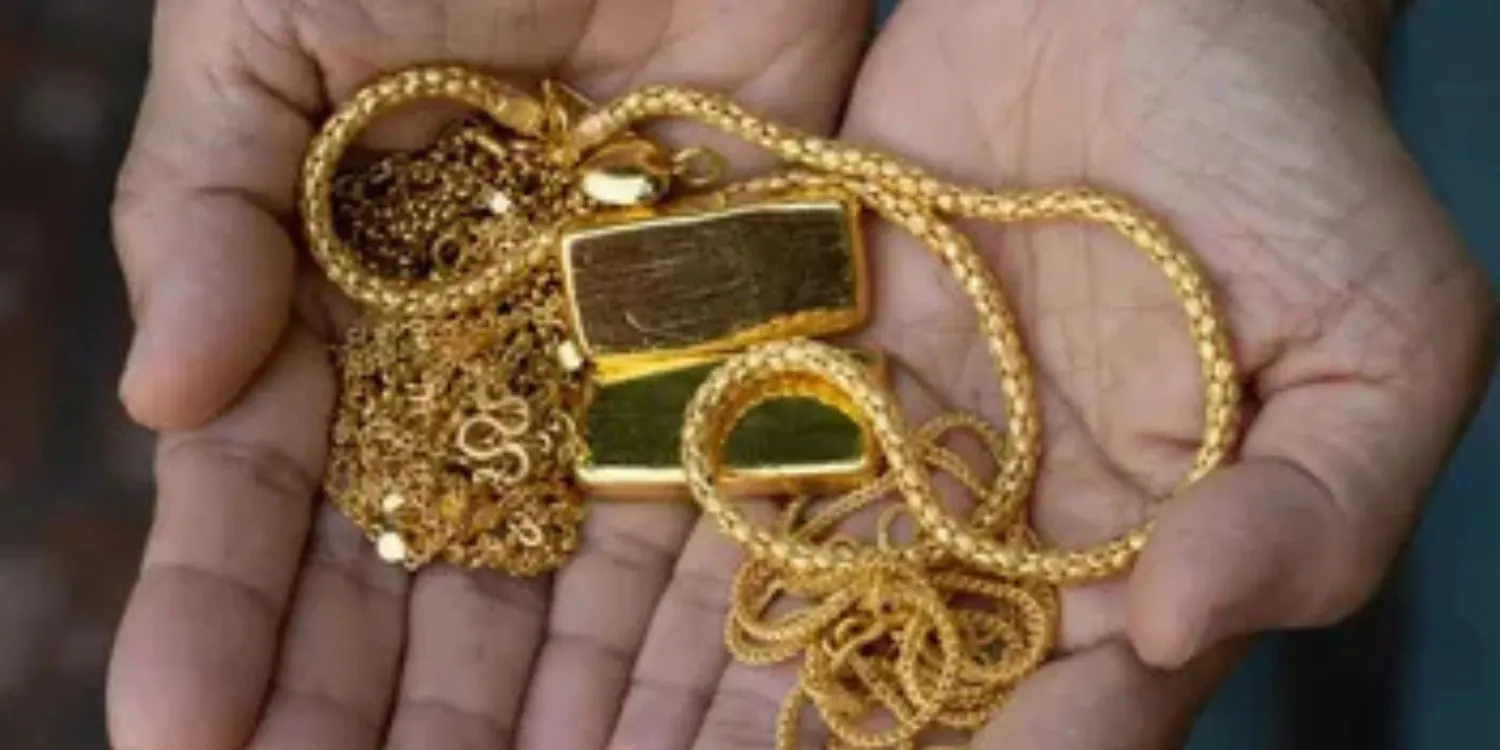
Selling gold is not guesswork. The market follows a simple pattern. A local gold buyer in Mission Viejo looks at weight, purity, and the day’s market price, then makes an offer based on what the metal is worth right now. In Mission Viejo, sellers can usually expect a free assessment, testing in front of them, and an offer with no pressure to accept. The process is built around clarity, not mystery.
How does the gold resale market actually work?
Gold resale starts with the metal itself. Buyers do not pay one flat price for every item. They first check karat level, weight, and whether the piece is jewelry, coins, or bullion. Bullion coins are valued by their weight and fineness, while collectible coins can also carry extra value from rarity, age, and condition. That is why two gold items that look similar can bring very different offers.
The next piece is the market benchmark. Gold prices move with the broader precious metals market, and bullion pricing is tied to official metal price benchmarks plus premiums. In plain terms, the buyer’s offer reflects the live value of the metal, then adjusts for business costs and resale demand. For people who plan to buy gold coins, this is also why premiums matter. A coin’s final price is not just gold content. It also includes the dealer’s margin and, in some cases, collectability.
What should sellers in Mission Viejo expect?
A good local selling experience should feel straightforward. The Mission Viejo page describes a simple process: bring the item in, watch it be tested, and receive an offer with no obligation. The same page says the buyer handles gold jewelry, coins, bullion, silver, platinum, and palladium, and notes that even broken or outdated pieces can still have value. That matters because sellers often assume damaged jewelry is worthless. It is usually not.
Sellers should also expect questions. A serious buyer will ask where the piece came from, whether it has markings, and whether it was worn as jewelry or stored as an investment. Coins are treated a little differently. Standard bullion coins are usually priced for their metal content, while collectible coins may be judged more like a numismatic item. In other words, the story behind the item can change the offer.
What changes the offer price?
A few factors move the number up or down. Purity matters. Weight matters. Condition matters. So does whether the item is a common chain, a heavy bracelet, a bullion coin, or a rare coin. The same idea applies when people decide whether to buy gold coins for saving or investing. Lower-premium bullion is usually more straightforward, while collectible coins need a sharper eye.
A seller should also expect some variation between buyers. One buyer may pay more for certain coins. Another may care more about jewelry resale than melt value. Local reputation can matter here. The Mission Viejo page emphasizes in-person evaluations, transparent offers, and local expertise, which helps reduce the usual smoke and mirrors that frustrate sellers. That kind of setting gives people a cleaner read on what their items are actually worth.
Smart steps before selling
A little prep goes a long way. Sellers do not need to become coin experts, but they should know the basics before walking in the door.
- Sort gold items by type, such as jewelry, coins, or bullion.
- Look for stamps like 10K, 14K, 18K, 22K, or 24K.
- Keep any original boxes, receipts, or certificates.
- Avoid cleaning coins, since harsh cleaning can hurt value.
- Ask how the buyer calculates the offer.
These steps do not change the market, but they help sellers avoid rushed decisions. They also make it easier to compare one offer with another. A buyer who explains the price clearly is usually a safer bet than one who waves a hand and says, “Trust me.” That old line has burned enough people already.
What do good buyers tend to offer?
A strong gold buyer does more than hand over cash. They explain how the item was tested, why the offer was set, and what makes one piece worth more than another. In Mission Viejo, the reference page highlights local expertise, on-the-spot testing, and top-dollar offers, along with a focus on gold coins and bullion for buyers who want to build or add to a metals position.
For sellers, the best result is not just the highest number on the first try. It is the offer that makes sense after the math is done. The gold resale market rewards patience, basic knowledge, and a buyer who does not play games. That is the part worth remembering. A fair deal should feel plain, not puzzling.
Final thoughts
The gold resale market works on a simple rule. Real value comes from metal content, market price, and buyer demand. Sellers should expect a direct process, a tested offer, and room to ask questions before saying yes. Anyone planning to buy gold coins should also keep the same lesson in mind. Know what drives value, compare options, and do not rush. In precious metals, a cool head usually beats a quick hand.