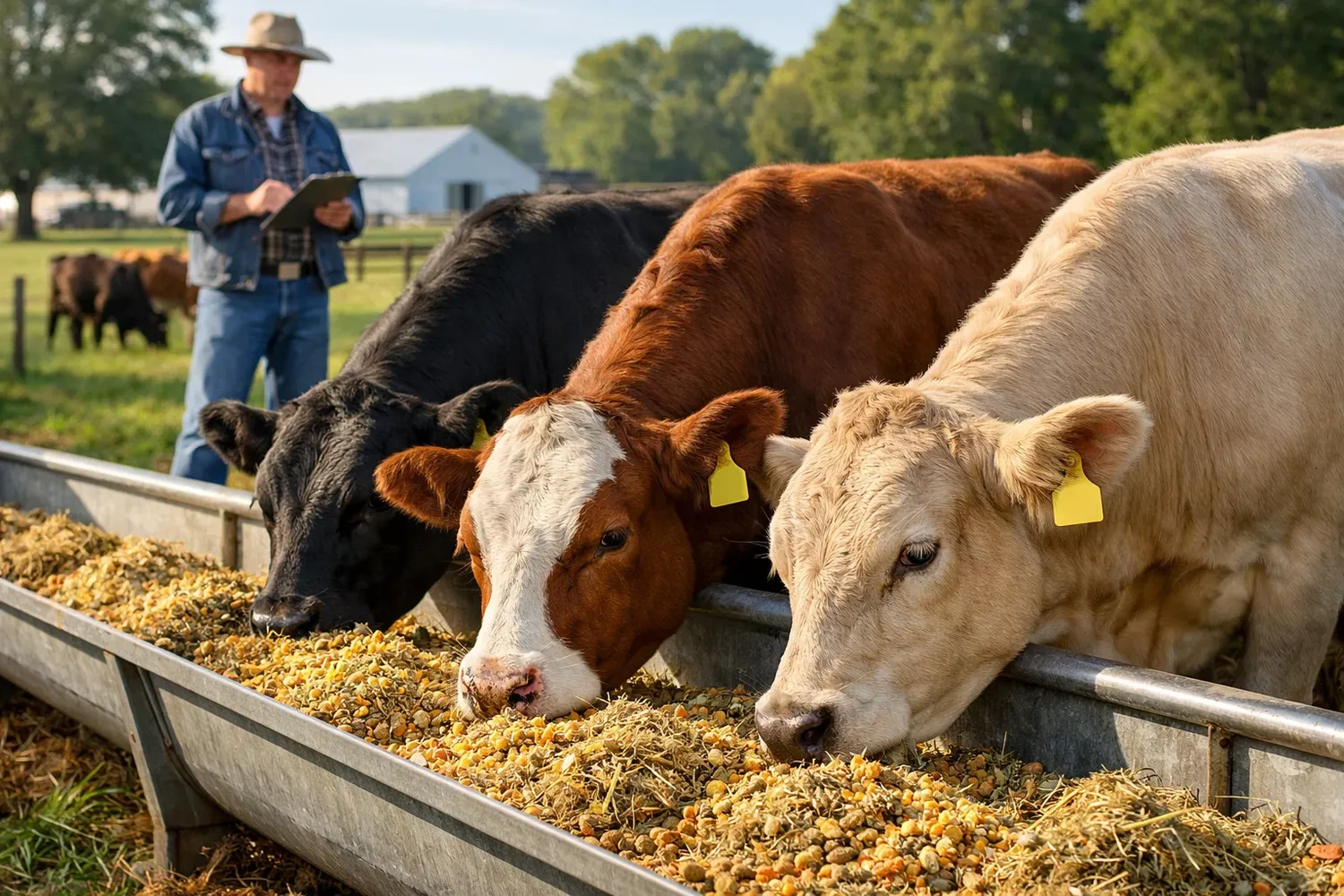
Selecting the right cattle livestock feed is one of the most important decisions any farmer or livestock owner can make. The quality of feed directly affects animal health, growth rate, milk production, and overall profitability. Whether you are managing a small herd or a large commercial operation, understanding how to choose the best feed ensures that your cattle perform at their full potential while keeping costs under control.
Understanding the Nutritional Needs of Cattle
Cattle require a balanced diet that includes proteins, carbohydrates, fats, vitamins, minerals, and water. Each of these nutrients plays a specific role in maintaining health and productivity. For example, protein supports muscle growth and milk production, while carbohydrates provide energy for daily activities.
The nutritional requirements of cattle vary depending on their age, weight, breed, and purpose. Calves need more protein for growth, while lactating cows require higher energy and mineral content to sustain milk production. Failing to match feed with these needs can lead to poor performance, diseases, and financial losses.
Types of Feed for Cattle
There are several types of feed available for cattle, and each serves a different purpose. These include:
- Forage (Grass and Hay): The foundation of most cattle diets. It provides fiber necessary for proper digestion.
- Concentrates (Grains): Such as corn, barley, and wheat, which supply high energy.
- Protein Supplements: Soybean meal or cottonseed meal to boost protein levels.
- Mineral and Vitamin Mixes: Essential for immunity and metabolic functions.
After understanding these categories, farmers can better evaluate their options and create a balanced feeding plan. This is where choosing the right Livestock Feed becomes crucial for maintaining herd efficiency and productivity.
Factors to Consider When Choosing Animal Feed
Choosing the best feed is not just about picking what’s available—it requires careful evaluation. Here are key factors to consider:
1. Quality of Ingredients
Always check the quality of raw materials used in the feed. High-quality ingredients ensure better digestion and nutrient absorption. Avoid feed that appears moldy, dusty, or has an unusual smell, as it may be contaminated.
2. Nutritional Balance
Look for feed that offers a well-balanced nutritional profile. A good feed should meet the energy, protein, and mineral requirements of your cattle. Reading feed labels can help you understand what nutrients are included.
3. Purpose of Feeding
Different cattle have different goals. Are you raising cattle for meat, milk, or breeding? For example:
- Dairy cattle need higher calcium and energy.
- Beef cattle require feed that promotes weight gain.
- Breeding cattle need balanced nutrition for reproduction.
4. Digestibility
Highly digestible feed ensures that cattle can absorb maximum nutrients. Poor digestibility leads to waste and reduced performance. Forage quality plays a major role in digestion, so always ensure it is fresh and properly stored.
5. Cost-Effectiveness
While high-quality feed may cost more initially, it often leads to better results and lower veterinary expenses. The goal is to find a balance between affordability and nutritional value.
Importance of Protein and Energy
Protein and energy are the two most critical components in cattle feed. Protein helps in muscle development, tissue repair, and milk production. Energy fuels daily activities and growth.
If cattle do not receive enough protein, they may experience slow growth, reduced fertility, and weak immunity. Similarly, insufficient energy can lead to weight loss and decreased productivity. Therefore, selecting feed with the right combination of these nutrients is essential.
Role of Minerals and Vitamins
Minerals like calcium, phosphorus, magnesium, and salt are vital for bone development, nerve function, and overall health. Vitamins such as A, D, and E support immune function and reproductive health.
Deficiencies in these nutrients can cause serious health issues, including weak bones, poor growth, and lower milk yield. Including mineral supplements or fortified feed can help prevent these problems.
Feeding Practices for Better Results
Choosing the right feed is only part of the process. Proper feeding practices are equally important:
- Consistent Feeding Schedule: Feed cattle at the same time every day to maintain digestive health.
- Clean Water Supply: Always provide fresh and clean water, as it is essential for digestion and metabolism.
- Gradual Feed Changes: Sudden changes in diet can upset the digestive system. Introduce new feed gradually.
- Monitor Animal Health: Regularly observe cattle for signs of illness or poor nutrition.
Common Mistakes to Avoid
Many farmers make avoidable mistakes when selecting and using cattle feed. These include:
- Choosing feed based only on price rather than quality
- Ignoring nutritional labels
- Overfeeding or underfeeding
- Not adjusting feed according to life stages
Avoiding these mistakes can significantly improve cattle performance and reduce losses.
Benefits of Choosing the Right Feed
When you select the best animal feed, the benefits are clear:
- Improved growth rates
- Higher milk production
- Better reproductive performance
- Stronger immunity
- Reduced veterinary costs
Healthy cattle are more productive, and this directly impacts your farm’s profitability.
Final Thoughts
Choosing the best animal feed for cattle livestock is a combination of knowledge, observation, and smart decision-making. By understanding nutritional needs, evaluating feed quality, and following proper feeding practices, you can ensure that your cattle remain healthy and productive.
Investing in the right feed is not just an expense it is a long-term strategy for success in livestock farming. When done correctly, it leads to healthier animals, higher yields, and better financial returns.