Children are naturally curious, energetic, and adventurous. While these qualities help them grow and learn, they also make them more vulnerable to accidents and medical emergencies. From choking incidents and allergic reactions to burns and sudden illnesses, emergencies involving children can happen at any time. This is why emergency paediatric first aid training has become an essential skill for parents, teachers, babysitters, childcare workers, and healthcare professionals alike.
Having the knowledge and confidence to respond quickly during a medical emergency can make a life-saving difference. In this complete guide, we will explore what emergency paediatric first aid training involves, why it matters, the key skills covered, and who should take the course.
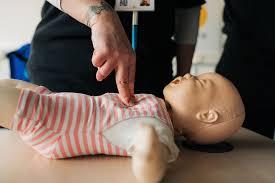
What is Emergency Paediatric First Aid Training?
Emergency paediatric first aid training is a specialised course designed to teach individuals how to respond effectively to medical emergencies involving infants and children. Unlike standard first aid courses, paediatric training focuses specifically on the unique physical and medical needs of younger age groups.
Children’s bodies react differently to illness and injury compared to adults. Their smaller airways, faster breathing rates, and developing immune systems require a tailored approach during emergencies. Paediatric first aid training equips learners with practical techniques to manage these situations safely and confidently.
The training often combines theoretical knowledge with hands-on practice, helping participants understand how to assess emergencies, provide immediate care, and stabilise a child until professional medical help arrives.
Why Emergency Paediatric First Aid Training Is Important
Emergencies can happen in homes, schools, playgrounds, nurseries, sports centres, and public places. In many situations, the first few minutes are critical. Proper first aid can prevent a condition from worsening and, in some cases, save a child’s life.
Here are some key reasons why emergency paediatric first aid training is so important:
1. Quick Response Saves Lives
When a child stops breathing, chokes, or suffers a severe allergic reaction, immediate action is essential. Trained individuals can recognise warning signs early and provide the correct response before emergency services arrive.
2. Builds Confidence During Emergencies
Panic is common during stressful situations, especially when children are involved. Training helps caregivers remain calm and focused, allowing them to act efficiently when every second matters.
3. Reduces the Severity of Injuries
Proper first aid treatment can reduce pain, prevent infections, and minimise long-term complications. For example, correctly treating burns or head injuries can significantly improve recovery outcomes.
4. Supports Legal and Workplace Requirements
Many childcare settings and educational institutions require staff members to complete emergency paediatric first aid training as part of health and safety regulations.
5. Provides Peace of Mind
Parents and guardians feel more secure knowing they can handle emergencies at home or while travelling with children.
Who Should Take Emergency Paediatric First Aid Training?
Although anyone can benefit from learning first aid skills, this training is particularly valuable for people who regularly care for children.
Recommended participants include:
- Parents and guardians
- Teachers and teaching assistants
- Nursery and daycare staff
- Childminders and babysitters
- Sports coaches
- Foster carers
- Youth group leaders
- Healthcare professionals
- Social workers
Even family members such as grandparents or older siblings may find the training useful when caring for young children.
Essential Skills Covered in Emergency Paediatric First Aid Training
A high-quality emergency paediatric first aid training course covers a wide range of practical skills and emergency scenarios. Here are some of the most important topics included.
Assessing an Emergency Situation
The first step in any emergency is evaluating the scene and identifying potential dangers. Participants learn how to assess whether a child is conscious, breathing normally, and in immediate danger.
Training also teaches how to contact emergency services efficiently while providing accurate information.
Infant and Child CPR
Cardiopulmonary resuscitation (CPR) is one of the most important life-saving skills taught during the course.
Participants learn how to perform age-appropriate CPR techniques for both infants and children, including:
- Chest compressions
- Rescue breaths
- Recovery position
- Safe use of automated external defibrillators (AEDs)
Because CPR procedures differ between adults, infants, and children, paediatric-specific training is essential.
Choking Management
Young children frequently place objects in their mouths, increasing the risk of choking. Emergency paediatric first aid training teaches how to identify partial and complete airway blockages.
Participants practice techniques such as:
- Back blows
- Chest thrusts for infants
- Abdominal thrusts for older children
- Monitoring breathing after obstruction removal
Quick intervention during choking emergencies can prevent serious complications or fatalities.
Treating Burns and Scalds
Children are especially vulnerable to burns caused by hot liquids, cooking appliances, and electrical sources. Learners are taught how to cool burns properly, protect the affected area, and recognise when emergency medical attention is necessary.
Managing Bleeding and Wounds
Cuts, scrapes, and bleeding injuries are common among active children. The course explains how to:
- Control bleeding
- Apply bandages and dressings
- Prevent infection
- Recognise signs of serious blood loss
Handling Allergic Reactions
Food allergies and severe allergic reactions are increasingly common in children. Participants learn how to identify symptoms of anaphylaxis, including difficulty breathing, swelling, and skin reactions.
Training often includes guidance on using adrenaline auto-injectors such as EpiPens.
Dealing With Seizures and Febrile Convulsions
Children can experience seizures due to epilepsy, fever, or other medical conditions. Emergency paediatric first aid training explains how to keep a child safe during a seizure and when emergency assistance is required.
Responding to Head Injuries and Fractures
Falls and sports accidents can result in head trauma or broken bones. Learners understand how to stabilise injuries, reduce movement, and monitor for signs of concussion or internal injury.
The Benefits of Practical Training
One of the greatest advantages of emergency paediatric first aid training is the hands-on experience it provides. Practical demonstrations and role-playing exercises help participants gain confidence in performing emergency procedures correctly.
Interactive learning allows students to:
- Practice CPR on training manikins
- Simulate real-life emergencies
- Improve decision-making under pressure
- Receive feedback from experienced instructors
This practical approach ensures that learners can apply their skills effectively in real emergencies.
How to Choose the Right Emergency Paediatric First Aid Training Course
When selecting a training provider, it is important to choose a reputable organisation that offers recognised certification and experienced instructors.
Consider the following factors:
- Accreditation and certification validity
- Course content and practical training hours
- Experienced trainers with paediatric expertise
- Flexible learning options
- Positive reviews and recommendations
Many providers now offer blended learning options that combine online theory with in-person practical sessions.
Final Thoughts
Accidents and emergencies involving children can happen unexpectedly, but being prepared can make all the difference. Emergency paediatric first aid training gives parents, caregivers, and professionals the knowledge and confidence needed to respond effectively during critical situations.
From CPR and choking response to treating burns and allergic reactions, these essential skills can help protect children and potentially save lives. Investing in proper training is not only a valuable professional qualification but also an important step toward creating a safer environment for every child.
Whether you are a parent wanting peace of mind or a professional responsible for children’s wellbeing, emergency paediatric first aid training is a skill that truly matters.