Accidents happen when you least expect them. A slip during lunch, a hard crunch on an unpopped popcorn kernel, or a late-night fall can all leave you with one of the most painful and unsettling dental experiences: a broken tooth. Whether it’s a minor crack or a full fracture, the pain and sensitivity that follow can be intense—and they require swift attention.
When faced with such situations, most people instinctively search for a broken tooth emergency dentist—and rightfully so. Time is of the essence when treating a fractured or broken tooth, and getting professional care early could mean the difference between saving your natural tooth or needing an extraction.
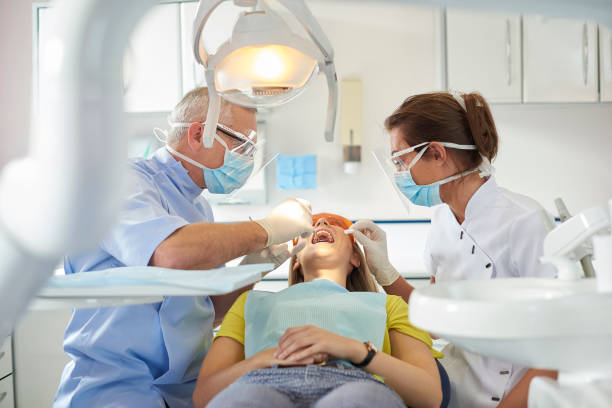
What Happens When You Break a Tooth?
Your teeth are strong, but they aren’t invincible. A broken tooth can range in severity from a minor surface crack (called a craze line) to a complete break that exposes nerves and blood vessels.
Some common causes include:
- Sports injuries or accidents
- Biting down on something hard
- Cavities weakening the tooth structure
- Clenching or grinding your teeth (bruxism)
- Falls or sudden trauma to the face
Regardless of the cause, one thing remains constant—a broken tooth should never be ignored.
When left untreated, a broken tooth can:
- Lead to infection
- Damage neighboring teeth
- Cause severe, ongoing pain
- Result in tooth loss
That’s why connecting with a broken tooth emergency dentist promptly is the best step toward relief and recovery.
Types of Tooth Breaks and How They’re Treated
Not all broken teeth are alike. Your treatment will depend on the location of the tooth, the extent of the damage, and whether the pulp (the inner soft tissue) has been exposed.
1. Minor Chips or Cracks:
These usually involve enamel only and may not cause much pain. A dentist can typically smooth the rough edges or use composite bonding to restore shape.
2. Moderate Breaks:
If the fracture reaches the dentin, you may experience sensitivity to hot or cold foods. A crown or filling may be used to restore function and prevent further damage.
3. Severe Fractures or Split Teeth:
When the pulp is exposed or the tooth has split, urgent treatment is necessary. Root canal therapy followed by a crown is common, but in extreme cases, extraction may be the only option.
A skilled broken tooth emergency dentist will perform an immediate exam, often with digital X-rays, to diagnose the extent of the injury and recommend the right course of action.
Signs You Should See an Emergency Dentist Immediately
Some dental issues can wait a day or two. A broken tooth typically isn’t one of them. If you’re experiencing any of the following, it’s time to search for an Emergency Dentist In My Area and seek help:
- Sharp, throbbing, or shooting pain
- Visible cracks or missing tooth fragments
- Bleeding from the gums around the broken tooth
- Swelling of the gums, face, or jaw
- Difficulty eating or speaking
These signs may indicate nerve exposure or infection, which should be treated promptly to avoid complications like abscess formation or systemic infection.
How Emergency Dentists Handle Broken Teeth
One of the best things about visiting a broken tooth emergency dentist is the efficiency of care. These dental professionals are trained to prioritize immediate pain relief, stabilize the tooth, and prevent further trauma.
Here’s what to expect:
- Initial Evaluation: A thorough exam to assess the tooth, gums, and surrounding area.
- Digital Imaging: X-rays to understand the depth of the damage.
- Treatment Plan: You’ll receive a tailored treatment recommendation, which may include bonding, crowns, root canal therapy, or temporary restoration.
- Pain Management: Quick relief through local anesthesia, anti-inflammatory medications, and sedation if needed.
Most emergency dental clinics are equipped for same-day treatment—because when your tooth is broken, waiting isn't an option.
Read more - What To Expect During Your Emergency Dental Visit
What to Do Until You See a Dentist
While you wait to be seen by an Emergency Dentist In My Area, here are a few steps to reduce discomfort and prevent worsening damage:
- Rinse your mouth gently with warm salt water
- Apply a cold compress to reduce swelling
- Avoid chewing on the affected side
- Take over-the-counter pain relief (as directed)
- If possible, save any broken tooth fragments in milk or saline
These steps won’t fix the issue, but they can make a big difference in minimizing pain and inflammation before you get professional care.
Preventing Future Tooth Breaks
While you can’t predict every accident, there are steps you can take to minimize the risk of breaking a tooth:
- Wear a mouthguard during sports or physical activities
- Don’t use your teeth to open packages or crack nuts
- Avoid chewing on ice, pens, or hard candy
- Treat bruxism with a night guard
- Keep up with regular dental check-ups to catch weaknesses early
Final Thoughts: Don’t Wait It Out—Get Help Now
Dental emergencies are uncomfortable, inconvenient, and sometimes overwhelming—but they’re also treatable. With the right care from a broken tooth emergency dentist, you can restore your smile, eliminate pain, and protect your oral health in the long run.
If you're dealing with sudden dental pain or a fractured tooth, don't wait for the discomfort to become unbearable. Look for an Emergency Dentist In My Area who offers prompt appointments, personalized care, and the tools needed to get you back to smiling without hesitation.