In the world of surgery, precision tools are paramount for achieving the best outcomes for patients. Among these, angled scissors stand out as a vital instrument used across multiple specialties for their ability to provide both accuracy and control. These scissors, designed with a slight bend or curve at the tip, allow surgeons to perform intricate cuts with ease, particularly in hard-to-reach areas or around delicate structures.
What Are Angled Scissors?
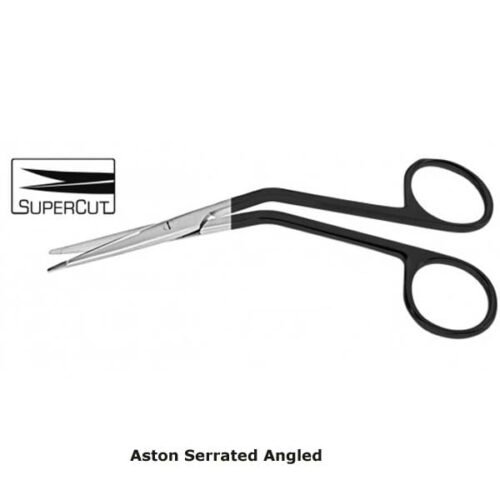
Angled scissors are a specialized type of surgical scissors featuring a 45-degree or 60-degree bend in the blade. This angled design allows for a greater range of motion and visibility, particularly in confined or hard-to-reach areas of the body. The bend in the blades helps the surgeon cut tissues at a particular angle without the need to reposition the instrument, which can be time-consuming and difficult, especially in deep or narrow surgical sites.
Angled scissors can be found in both straight and curved versions, depending on the surgical need. They come in varying sizes, allowing surgeons to select the perfect tool for their specific task.
Key Features of Angled Scissors
Angled scissors come with several features that make them a favorite in the operating room. These include:
- Angled Blades: The defining feature of angled scissors is the bend or angle in the blades. This allows for easier access and visibility when cutting tissue in areas that would otherwise be challenging to reach with standard, straight scissors.
- Precision Cutting Tips: Angled scissors are equipped with fine, sharp cutting edges that provide precision, making them suitable for delicate tissue dissection, suturing, or cutting through small vessels and nerves.
- Ergonomic Handles: Many angled scissors feature ergonomic handles designed for comfort and control. These handles provide a firm grip, reducing hand strain, especially during extended procedures.
- Variety of Blade Designs: Angled scissors are available with both sharp and blunt tips. Sharp tips are ideal for cutting through tissues and sutures, while blunt tips are useful for tasks such as dissecting or trimming delicate structures without causing injury.
- Durable Construction: These scissors are typically made from high-quality stainless steel or other corrosion-resistant materials, ensuring durability and ease of sterilization. Stainless steel construction makes the scissors resistant to rust, maintaining their sharpness and functionality after multiple uses.
Common Uses of Angled Scissors in Surgery
Angled scissors are versatile and used across several surgical specialties. Here are some of the primary areas where these scissors prove to be invaluable tools:
1. Plastic Surgery
In plastic surgery, where precision is key for both aesthetic and functional outcomes, angled scissors are used for tasks like skin excision, facial reconstruction, and wound closure. The ability to maneuver the scissors around complex facial structures without damaging surrounding tissues is crucial for achieving natural-looking results.
2. Ophthalmic Surgery
In ophthalmic (eye) surgery, angled scissors are frequently used to cut delicate eye tissue or perform tasks such as cataract surgery, vitrectomy, or glaucoma surgery. The angle of the scissors allows for fine control in very confined spaces while minimizing the risk of injury to sensitive ocular tissues.
3. Cardiac and Vascular Surgery
In cardiac and vascular surgery, angled scissors are used to cut through blood vessels, arteries, or heart tissue during procedures such as bypass surgery or arterial grafting. Their precision makes them ideal for cutting small, delicate vessels without causing unnecessary damage.
4. Neurosurgery
Angled scissors are also essential in neurosurgery, where they are used for cutting brain and spinal cord tissue during procedures like tumor resections or spinal decompressions. The angle helps surgeons access deep structures of the brain or spinal cord, allowing for precise cuts with minimal disruption to surrounding areas.
5. General Surgery
In general surgery, angled scissors are commonly used for various tasks, including cutting soft tissue, suturing during wound closure, and dissecting tissue layers. Their versatility makes them an essential tool in operations like appendectomies, hernia repairs, or gallbladder surgeries.
6. ENT (Ear, Nose, and Throat) Surgery
In ENT surgery, angled scissors help surgeons cut delicate nasal tissues, ear canals, or throat structures. Their design ensures that the surgeon can navigate around sensitive anatomical areas while making clean, controlled cuts.
Advantages of Using Angled Scissors
The use of angled scissors offers several benefits, making them a preferred choice in surgeries requiring high precision and control. These benefits include:
- Improved Access in Tight Spaces: The angled design allows surgeons to access hard-to-reach areas, providing improved visibility and a better range of motion without repositioning the instrument frequently.
- Greater Precision: Angled scissors enable fine and controlled cutting, which is essential when working on delicate tissues. This makes them perfect for procedures that require high levels of accuracy, such as neurosurgery or plastic surgery.
- Minimized Tissue Damage: Because of their precise cutting edges and ergonomic design, angled scissors reduce the risk of unnecessary tissue trauma. This is especially important in sensitive or fragile areas, where the surgeon must avoid causing excessive damage to surrounding structures.
- Enhanced Control: The ergonomic handles of many angled scissors provide superior grip and control, reducing hand strain and allowing surgeons to maintain a steady hand during prolonged procedures.
- Versatility: With various types of angled scissors available, surgeons can choose the right one for the task at hand. Whether it's a sharp tip for cutting sutures or a blunt tip for delicate tissue dissection, the versatility of these scissors makes them a go-to instrument in many surgical specialties.
How to Use Angled Scissors Effectively
To make the most of angled scissors, it’s important to follow these key tips:
- Choose the Right Size and Angle: Select the scissors based on the procedure and the tissue being cut. Smaller scissors are ideal for fine, delicate tissues, while larger scissors are better suited for cutting through thicker structures.
- Maintain a Steady Grip: Ensure a firm but relaxed grip on the handles to avoid unnecessary hand strain. The ergonomic design of most angled scissors helps provide a comfortable hold, allowing for better control.
- Be Mindful of Tissue Tension: When cutting with angled scissors, ensure that the tissue is properly positioned and supported. Cutting under tension can cause the tissue to tear or result in uneven edges.
- Use Gentle, Controlled Movements: When performing the incision or dissection, use smooth and controlled movements. Avoid jerking the scissors, as this may lead to inaccurate cuts or inadvertent injury to surrounding tissues.
Conclusion
Angled scissors are a staple in the operating room, offering the precision, control, and versatility needed to perform a wide range of delicate surgeries. Whether used in plastic surgery, cardiac surgery, neurosurgery, or ENT procedures, these scissors help surgeons access difficult-to-reach areas while ensuring minimal damage to tissues. With their ergonomic design and superior cutting capability, angled scissors are essential tools for achieving successful surgical outcomes and improving patient care.