Retractor springs are crucial components in various surgical procedures, designed to maintain tension and secure surgical incisions or openings. They play an essential role in improving visibility and access to underlying tissues and organs, allowing surgeons to perform complex operations with precision. In this blog, we will delve into the functionality, design, and significance of retractor springs in surgical settings.
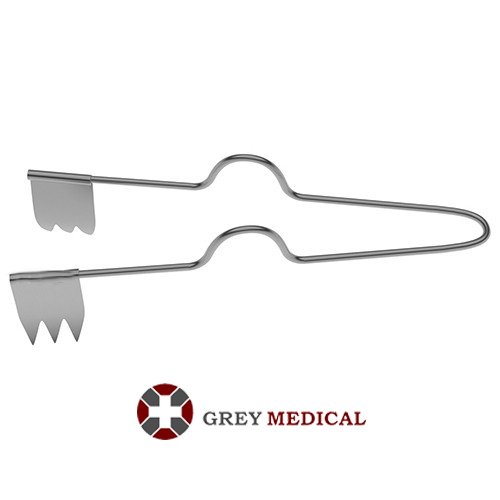
What is a Retractor Spring?
A retractor spring is a device that applies constant tension to retract tissue during surgery. It works in conjunction with retractor instruments, which hold back layers of tissue, thereby providing the surgeon with a clear view and access to the surgical site. Unlike traditional retractors that require manual adjustment, retractor springs allow for automated tensioning, enhancing surgical efficiency and ease.
Design and Mechanism
Retractor springs are typically made from high-strength materials such as stainless steel or durable plastics. Their design consists of a spring mechanism that can be adjusted to apply varying levels of tension depending on the surgical needs. Some common features include:
- Tension Adjustment: Many retractor springs come with adjustable mechanisms that allow surgeons to customize the level of tension based on the depth and complexity of the incision.
- Compatibility: Retractor springs are designed to be compatible with various types of retractors, ensuring they can be used in different surgical specialties, including orthopedics, general surgery, and plastic surgery.
- Lightweight and Ergonomic: The lightweight design of retractor springs allows for ease of handling during procedures. Their ergonomic design ensures they can be used comfortably over extended periods.
Types of Retractor Springs
There are several types of retractor springs, each tailored for specific surgical applications:
- Self-Retaining Retractor Springs: These springs are built into self-retaining retractors, automatically maintaining tension without additional manual effort. They are commonly used in surgeries where hands-free retraction is beneficial, such as abdominal or thoracic surgeries.
- Manual Retractor Springs: Manual springs require surgeons to adjust the tension as needed. While they provide less convenience than self-retaining types, they allow for greater flexibility in cases where precise control of tension is required.
- Specialized Retractor Springs: Some surgical specialties may require specialized retractor springs tailored for specific procedures. For instance, in neurosurgery, delicate retraction springs may be designed to protect surrounding tissues while providing adequate exposure to the surgical site.
Importance of Retractor Springs in Surgery
Retractor springs significantly impact surgical outcomes in various ways:
- Improved Visibility: By holding back layers of tissue, retractor springs provide surgeons with an unobstructed view of the surgical site, reducing the likelihood of complications.
- Enhanced Efficiency: With the ability to maintain constant tension, retractor springs allow for faster and more efficient procedures, as surgeons can focus on the operation without frequent adjustments.
- Reduced Surgeon Fatigue: The ergonomic design of retractor springs helps minimize strain on the surgeon's hands and arms, reducing fatigue during lengthy procedures.
- Versatility: Retractor springs can be utilized across different surgical specialties, making them a valuable tool in various medical practices.
Conclusion
Retractor springs are indispensable tools in modern surgery, providing the necessary support to ensure successful outcomes. Their design, functionality, and ability to enhance surgical efficiency make them an essential component in the operating room. As surgical techniques continue to evolve, the role of retractor springs will undoubtedly remain critical in facilitating precise and safe surgical procedures.