Surgical retractors are essential instruments used by healthcare professionals to hold back tissues and organs, providing clear visibility and access to the surgical site. Among the many retractors in use today, the Cosgrove retractor stands out for its versatility and reliability, especially in cardiovascular surgeries.
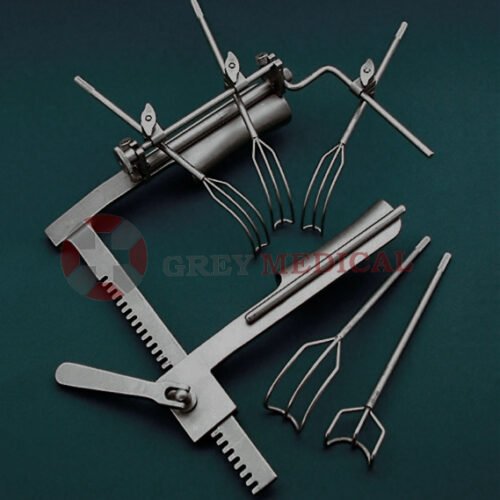
What is a Cosgrove Retractor?
The Cosgrove retractor is a surgical tool designed primarily for cardiovascular and thoracic surgeries. It is used to retract soft tissues, such as the heart, lungs, and blood vessels, to allow the surgeon better visibility and access to the underlying structures. The retractor is named after its designer, Dr. Cosgrove, who developed it to meet the growing need for efficient tissue manipulation in cardiovascular operations.
Cosgrove retractors are typically constructed from stainless steel or other durable, corrosion-resistant materials. They come in a variety of sizes and configurations, making them suitable for different types of surgeries, from heart surgeries to lung procedures.
Key Features of the Cosgrove Retractor
1. Wide Blades
One of the most notable features of the Cosgrove retractor is its wide blades. These blades are designed to distribute pressure evenly across tissues, reducing the risk of damage or tearing. The wide surface area of the blades helps to hold large areas of tissue back, providing better exposure of the surgical site.
2. Adjustable Mechanism
The Cosgrove retractor is equipped with an adjustable mechanism that allows the surgeon to widen or narrow the blades as needed. This adjustability makes the retractor suitable for various procedures, as the size of the surgical site can vary significantly depending on the patient and the nature of the surgery.
3. Ergonomic Handle
The handle of the Cosgrove retractor is designed for comfort and control. It is often ergonomically shaped to reduce hand fatigue during long surgeries. This is crucial in cardiovascular operations where precision and prolonged use of surgical tools are common.
4. Durability and Corrosion Resistance
Made from high-quality stainless steel, the Cosgrove retractor is durable, resistant to corrosion, and easy to sterilize. This ensures that the tool can withstand multiple uses and sterilization cycles, making it a reliable instrument for hospitals and surgical centers.
5. Variety of Sizes
Cosgrove retractors are available in different sizes and configurations to accommodate various surgical needs. From small pediatric surgeries to large adult procedures, these retractors can be customized to suit the specific needs of the operation.
Common Uses of the Cosgrove Retractor
1. Cardiovascular Surgery
The most common use of the Cosgrove retractor is in cardiovascular surgery, where it is used to retract tissues such as the heart, lungs, and large blood vessels. Surgeons need clear access to the heart and surrounding structures during operations like coronary artery bypass grafting (CABG), valve replacements, and heart transplants. The Cosgrove retractor’s ability to hold back large, delicate tissues allows surgeons to perform these complex procedures with precision.
- Heart surgeries: It helps to expose the heart by holding back the pericardium, blood vessels, or other tissues, allowing the surgeon to access the coronary arteries or heart valves with ease.
- Aortic surgeries: In operations involving the aorta, such as repairs of aneurysms, the retractor helps provide better visibility and access to this critical vessel.
2. Thoracic Surgery
In thoracic surgery, Cosgrove retractors are used to retract the ribs and other tissues to provide access to the lungs, esophagus, or chest wall. They are often employed in procedures like lobectomy (removal of a lung lobe) or lung cancer surgery. The retractor holds back the chest wall to give the surgeon better visibility of the lung and other organs inside the chest cavity.
- Lung surgery: It helps create a larger working space by pulling back the chest cavity, allowing for surgeries like pneumonectomy (removal of the entire lung) or thoracotomy.
- Esophageal surgeries: In operations on the esophagus, such as for esophageal cancer, the retractor helps to hold back surrounding tissues and provide a clearer view of the surgical site.
3. Minimally Invasive Procedures
Although the Cosgrove retractor is often used in open surgeries, it can also be used in minimally invasive procedures, including robotic and laparoscopic surgeries. It may be used to gently retract tissues in confined spaces to improve visibility, especially in situations where traditional retraction might be difficult or unnecessary.
Organ Transplants
In organ transplant surgeries, such as heart transplants or lung transplants, Cosgrove retractors are used to hold back large organs to provide access to the donor organ or recipient site. By creating a stable, open space, the surgeon is able to perform the delicate procedure with precision.
Aneurysm Repairs
In surgeries involving aneurysm repairs, particularly aortic aneurysms, the Cosgrove retractor is instrumental in holding back the aorta or surrounding tissue to provide the surgeon with an unobstructed view of the affected area.
Advantages of Using the Cosgrove Retractor
Enhanced Surgical Visibility
The Cosgrove retractor helps to hold back tissues effectively, providing clearer visibility of the surgical site. This is especially important in complex surgeries like those performed on the heart and chest, where precise access is necessary for a successful outcome.
Reduced Risk of Tissue Damage
The wide blades of the Cosgrove retractor distribute pressure more evenly, reducing the likelihood of causing damage to the delicate tissues they retract. This is particularly important in cardiovascular and thoracic surgeries, where the tissues are highly sensitive and need to be handled with care.
Flexibility and Customization
The adjustable blades allow the retractor to be customized for a variety of surgical sites. This adaptability makes it an essential tool in open-heart surgery, lung operations, and other thoracic procedures, where the size and depth of the incision can vary.
Ergonomic Design for Surgeons
The ergonomic handle design ensures that the Cosgrove retractor is easy to hold, even during prolonged procedures. The comfortable grip reduces hand fatigue, allowing the surgeon to maintain control and precision throughout the surgery.
Durability and Reliability
Constructed from high-quality materials, Cosgrove retractors are designed to be used repeatedly in the operating room. Their durability and corrosion resistance ensure that they remain effective and reliable tools over time.
Conclusion
The Cosgrove retractor is an indispensable instrument in cardiovascular and thoracic surgeries, providing surgeons with enhanced visibility and access to critical areas during complex procedures. Its design, with wide blades, adjustable features, and ergonomic handles, ensures that surgeons can manipulate tissues with precision while minimizing the risk of damage to surrounding structures. Whether used in heart surgery, lung surgery, or organ transplants, the Cosgrove retractor is vital for the success of many high-stakes operations. Its versatility, durability, and user-friendly design make it a must-have tool in modern surgical practice, helping to improve patient outcomes and contribute to the advancement of surgical techniques.