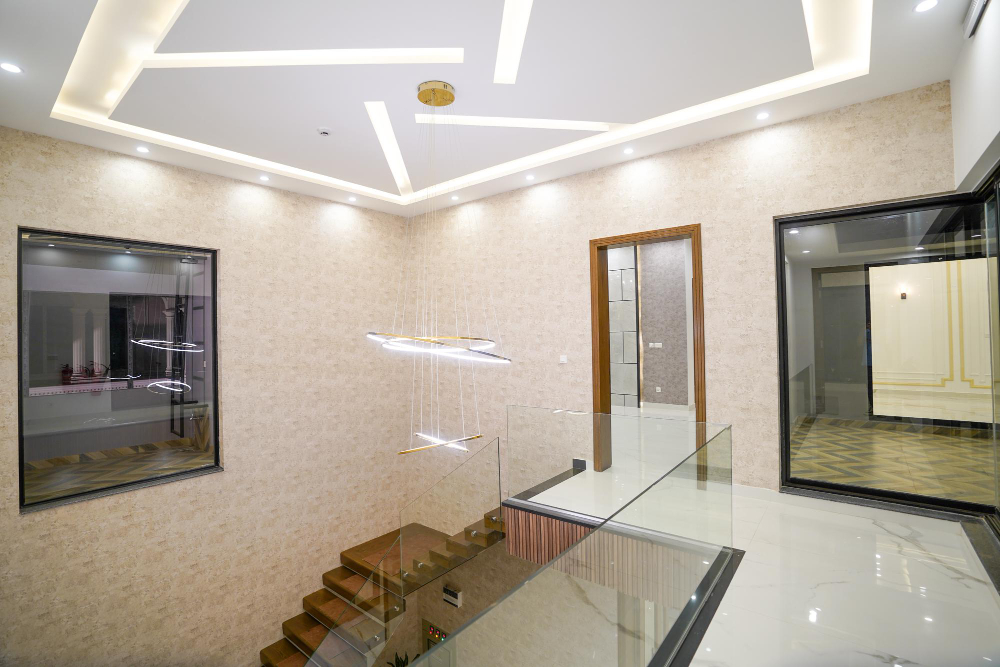
Adding a home elevator is an excellent way to enhance accessibility, convenience, and property value. For many Canadian homeowners, this investment can also future-proof their homes for aging in place or accommodate mobility challenges. However, installing a home elevator is a complex process that requires careful planning, compliance with building codes, and collaboration with professionals. This guide will walk you through the step-by-step process of installing a home elevator in Canada, from initial planning to post-installation considerations.
Step 1: Assess Your Needs and Goals
The first step in installing a home elevator is to evaluate your specific needs and goals. Ask yourself:
- Who will use the elevator? For individuals with mobility challenges, features like wheelchair accessibility may be crucial.
- What is the purpose of the elevator? Is it for convenience, accessibility, or adding luxury to your home?
- How much space do you have? Understanding the available space will help determine the type and size of the elevator.
By identifying your priorities, you can choose an elevator that best fits your home and lifestyle.
Step 2: Understand the Types of Home Elevators
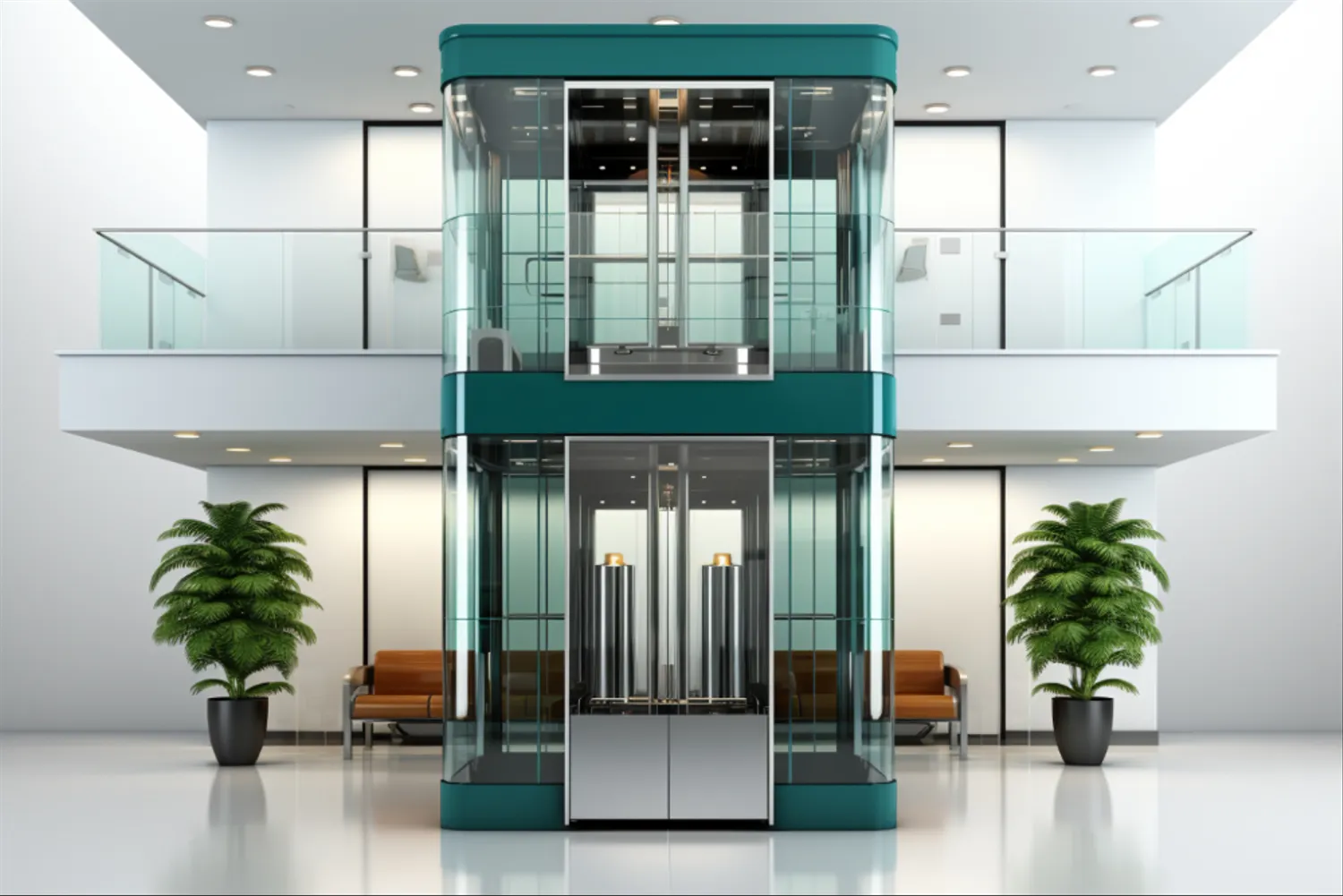
Home elevators come in various types, each with its own advantages and space requirements. Here are the most common types:
- Hydraulic Elevators
Powered by a hydraulic pump and piston.
Requires a machine room.
Smooth and quiet operation but takes up more space. - Traction Elevators
Uses cables and a counterweight system.
Does not always require a machine room.
Ideal for multi-story homes but more complex to install. - Pneumatic Vacuum Elevators
Operates using air pressure.
Compact and modern design.
Best for homes with limited space. - Shaftless Elevators
Simplified design without a dedicated shaft.
Suitable for two-story homes.
Lower installation costs but limited to specific needs.
Choosing the right type will depend on your budget, space, and personal preferences.
Step 3: Plan Your Budget
Installing a home elevator is a significant financial investment. In Canada, the cost typically ranges from $25,000 to $50,000 or more, depending on factors like:
- Elevator type and model.
- Customization and design features.
- Construction and labor costs.
- Electrical and structural modifications.
When budgeting, remember to account for ongoing maintenance and potential repair costs.
Step 4: Review Canadian Building Codes and Regulations
Building codes and regulations vary by province and municipality in Canada. Key considerations include:
- Building Permits:
You will need a building permit before installation.
Requirements differ by region, so consult your local building authority. - Safety Standards:
Elevators must comply with the CSA B44 Safety Code for Elevators and Escalators in Canada.
Features like emergency brakes, backup power, and interlocks are mandatory. - Accessibility Standards:
If the elevator is for accessibility purposes, ensure it meets standards set by organizations like the Canadian Standards Association (CSA) or the Accessible Canada Act (ACA).
Working with a licensed contractor familiar with local codes will help you navigate these requirements.
Step 5: Choose the Right Location
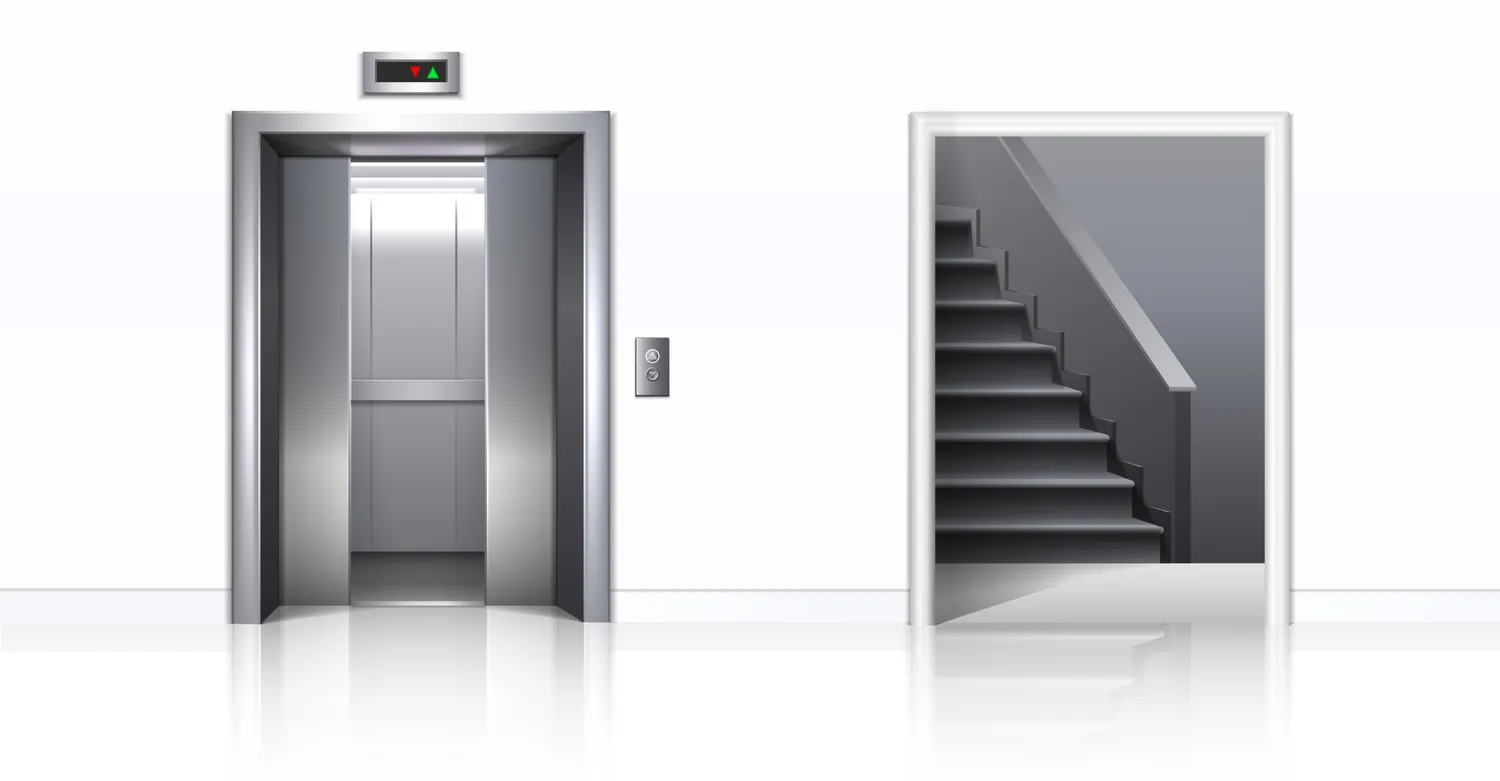
Determining the best location for your home elevator is critical. Options include:
- Retrofitting an existing space: For example, converting a closet or stairwell into an elevator shaft.
- Adding an external shaft: This option is ideal for homes with limited interior space.
- Incorporating it into new construction: If you’re building a new home, designing the elevator space during construction is more cost-effective.
Consider factors like proximity to power sources, structural support, and accessibility when deciding on the location.
Step 6: Hire Professionals
Installing a home elevator requires skilled professionals, including:
- Architects and Designers:
To design the layout and ensure the elevator complements your home. - Licensed Contractors:
To handle construction, electrical work, and structural modifications. - Elevator Specialists:
To install and maintain the elevator system.
When hiring professionals, look for:
- Experience with home elevators.
- Certifications and licensing.
- Positive reviews and references.
Step 7: Obtain Necessary Permits and Approvals
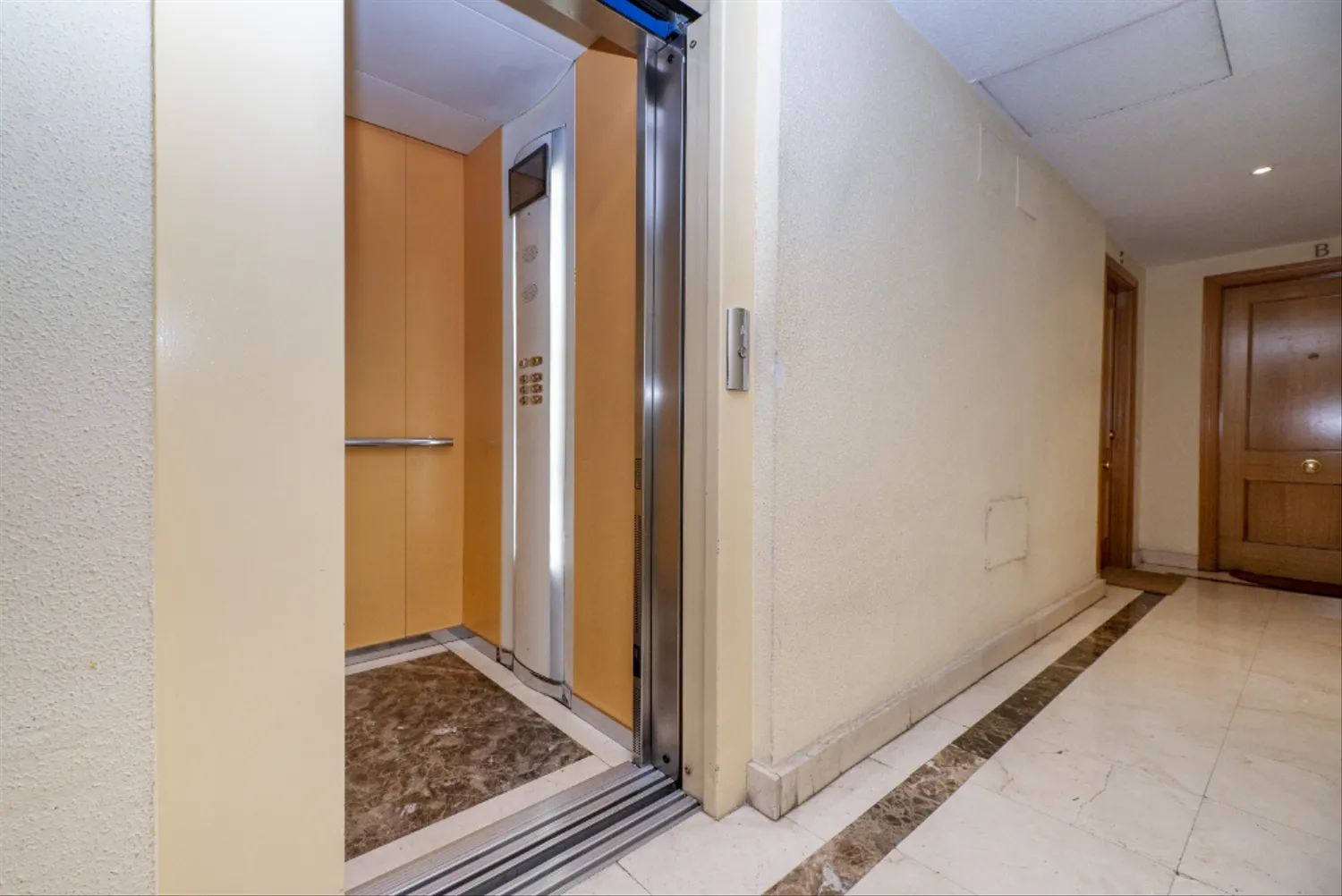
Before construction begins, secure the required permits from your local building authority. Common documents needed include:
- Building permit application.
- Detailed plans and specifications.
- Proof of compliance with safety codes.
Approval processes can take several weeks, so plan accordingly to avoid delays.
Step 8: Installation Process
The actual installation process typically includes:
- Site Preparation:
Clearing the designated area.
Making structural modifications as needed. - Building the Shaft or Frame:
Constructing the elevator shaft or installing a freestanding frame. - Electrical Work:
Installing power sources and backup systems. - Elevator Installation:
Assembling and installing the elevator car, motor, and other components. - Testing and Inspection:
Conducting safety tests and obtaining final approval from inspectors.
This phase can take several weeks to complete, depending on the project’s complexity.
Step 9: Post-Installation Considerations
Once the elevator is installed, focus on the following:
- Maintenance:
Schedule regular maintenance to ensure optimal performance.
Common tasks include checking cables, lubricating components, and testing emergency systems. - Safety Checks:
Teach all users how to operate the elevator safely.
Keep emergency contact numbers and instructions visible. - Warranty and Support:
Understand the warranty terms and available customer support from the manufacturer or installer.
Step 10: Enjoy the Benefits
With the installation complete, you can now enjoy the convenience and accessibility your home elevator provides. Whether it’s simplifying daily tasks, improving mobility, or adding value to your property, a home elevator is a worthwhile investment.
Conclusion
Installing a home elevator in Canada involves careful planning, adherence to regulations, and collaboration with experienced professionals. By following this guide, you can ensure a smooth installation process and enjoy the long-term benefits of a modern and functional home elevator. Whether you’re upgrading your home for accessibility or adding a touch of luxury, this investment will significantly enhance your quality of life.