When it comes to reliable, affordable, and versatile packaging solutions, flat poly bags stand out as a top choice across various industries. Whether used for food storage, retail packaging, industrial components, or document protection, these bags offer a practical way to keep items organized, clean, and protected from external contaminants.
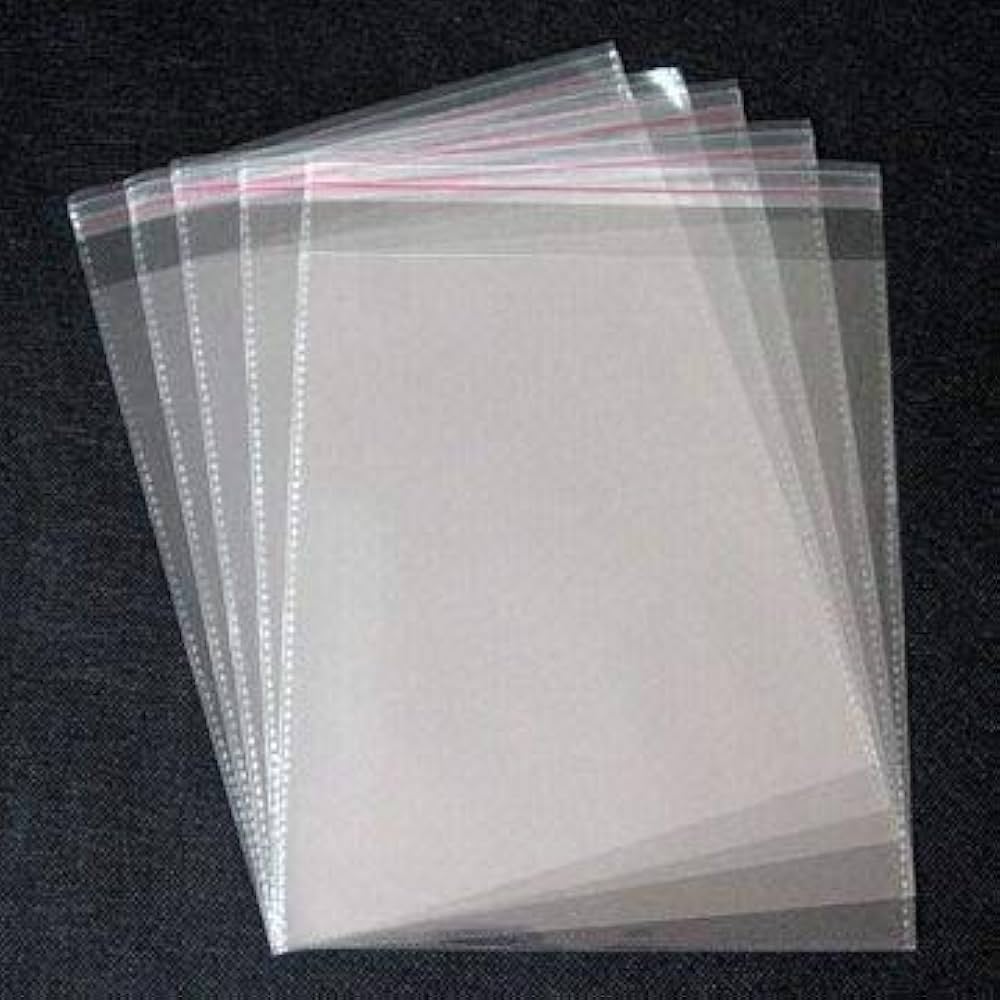
What Are Flat Poly Bags?
Flat poly bags are simple, unstructured plastic bags made from polyethylene (commonly LDPE or HDPE), designed without gussets or pleats. Unlike other types of plastic bags, flat poly bags do not expand or stretch to accommodate bulky items but are ideal for storing and packaging flat or low-profile products. They typically feature an open top that can be sealed using heat sealers, twist ties, or tape, making them highly adaptable.
Advantages of Using Flat Poly Bags
One of the primary reasons businesses and individuals prefer flat poly bags is their cost-effectiveness. They are inexpensive to produce and purchase, making them suitable for high-volume usage. Their transparent nature allows for easy content identification, which enhances inventory management and customer satisfaction.
Another key advantage is their protective quality. Flat poly bags provide an effective barrier against dust, moisture, and other environmental factors that can damage goods. This makes them particularly useful in medical, food, and electronics industries where hygiene and product integrity are paramount.
Common Applications
Flat poly bags are used in an impressive range of applications:
- Retail and E-commerce: These bags are widely used for packaging clothing, accessories, documents, and promotional materials. Retailers often appreciate their clear, professional look and the added option of customization through printing.
- Food Industry: Many food-grade flat poly bags are approved for direct food contact, making them suitable for packaging bakery items, produce, or frozen goods.
- Industrial and Manufacturing: They are indispensable for protecting small parts, fasteners, and tools during storage and transport. Their ability to be heat sealed ensures a secure, tamper-evident package.
- Healthcare: Hospitals and laboratories use sterile flat poly bags to handle and transport specimens, medications, and disposable instruments.
Environmental Considerations
While poly bags are not inherently eco-friendly, many manufacturers now offer recyclable or biodegradable versions to reduce environmental impact. Users are encouraged to recycle used bags appropriately and opt for sustainable alternatives where possible.
Choosing the Right Flat Poly Bag
Selecting the right flat poly bag depends on several factors including size, thickness (measured in mils), clarity, and seal type. Thicker bags provide greater durability and protection, while thinner ones are ideal for lightweight items. Understanding the specific requirements of your application will help ensure optimal performance and cost efficiency.
Final Thoughts
Flat poly bags are a cornerstone of modern packaging—simple in design but incredibly versatile in function. From safeguarding sensitive items to presenting retail products in a clean and professional manner, these bags offer a practical solution that meets the needs of many industries. As sustainability trends evolve, so too will innovations in poly bag materials and recycling practices, ensuring they remain a relevant and responsible choice for years to come.