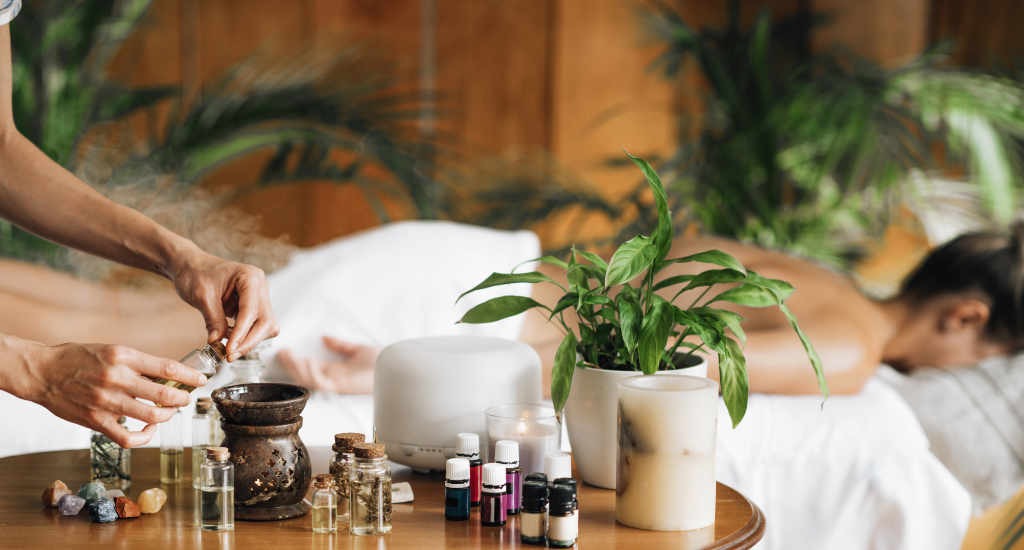
Any massage, be it sports therapy or an Ayurvedic spa, affects four systems of the body. Namely,
- Physical
- Physiological
- Neurological
- Psychological
All four are connected. The first effect, physical, is created by the skilled movement of a masseuse's hands, which in turn triggers the other three. With every stroke, rub, squeeze, or compression of the skin, the nerves beneath the skin undergo neurological, functional, or psychological changes.
The response of the body to massage therapy depends on the type of motion, i.e., the technique and the time for which it is done. The depth, speed, frequency, and part of the body that is massaged determine the extent of the benefits, as well. First, let's take a look at the physical reactions to a massage.
What are the physical benefits of body massage therapy?
The muscles in the body have a lot of flexibility. They can extend and contract to a significant degree. It is the connecting tissue that lies around them that limits movement. One way to increase the extensibility of connective tissue is through massage. Continuous kneading or wringing can loosen (plus stretch) the tissues that are present near muscles. Additionally, rigorous movements increase blood circulation to the area and heat it which makes the tissue pliable.
When performed regularly, massage can cause:
- Lengthening of muscle fibers
- Changes in the connective tissue
- Improve flexibility
These physical changes in the body lead to the following advantages:
Relaxed muscles allow the joints of the body to move more freely.
Swelling that has happened due to the leaking of blood or other fluids from vessels and capillaries can be reduced. The massage stimulates the flow of lymph plus increases the temperature of the soft tissue which causes the reabsorption of the leaked fluid and hence decreases swelling.
Any muscle that is holding tension can be relieved by the stroking action of a massage. The motion stimulates the receptors present on nerve endings which can then either result in muscle relaxation or tightening. Since the massage is reflexive, the effects take place automatically in the muscles.
What are the psychological reactions to a massage?
Before diving into the psychological advantages of massage, one thing should be made clear. The biological or physiological effects of therapy are deeply related to its mental effects. By relaxing the muscles, the brain automatically achieves a more peaceful state. The vice versa also applies. When psychological feedback says to let go of the tension in the mind, the muscles in the body relax too.
Some of the psychological effects that can be achieved through massage are:
Pain relief: A massage reduces muscle tension which decreases the pressure on nerve endings which leads to lower pain. As some of the pain lessens, the perception of it is also altered which further reduces it. The cycle keeps repeating. Therefore, sports therapy is continuously used to manage injuries in athletes and speed up rehabilitation.
Anxiety: Physical relaxation of the body and relief from pain consequently leach away the anxiety a body holds.
What are the biological results of spa therapy?
The effects of Thai massage are not limited to the brain and the physical body. Positive outcomes are also seen in biological functions. When massages are done with pressure and in-depth, they compress and release blood vessels which increases blood circulation. Even lymph flow to the heart can be heightened by giving prolonged massages to specific areas of the body. Two techniques by which lymph can be stimulated to flow to the body's extremities are kneading and deep stroking.
When blood flow increases in the body, the oxygen available to soft tissues also rises along with the accessibility of nutrients. When lymph flow increases, the body's capability to remove waste products from the lymphatic system also grows. The flow of blood and lymph is achieved by stimulating the nerves. This results in the dilation of blood vessels. This leads to more blood circulation, higher temperatures, an increase in the elasticity of muscles, and better delivery of oxygen and nutrients.
The last benefit of massage is neurological. Massage has been shown to decrease pain and increase relaxation. The mechanism behind these effects is neurological: in short, massaging a painful area induces reflex actions, which in turn decrease the pain. In addition, massage stimulates blood flow to the area being massaged, which helps get nutrients and oxygen to cells faster and aids in healing injuries or relieving pain.
A Succinct Summation
The gist is that massages of various types can be used to reduce pain, take away anxiety, and stimulate blood and oxygen flow. It can also be employed to reduce swelling and increase the range of motion. Excellent body therapy can either take you to a relaxed state or make you more active. What the effect of a massage should be is determined by the physical and mental needs of the person.
In order for a massage to be effective, it should be a pleasant experience that yields positive results. We are one of the few places in the nation that are certified to provide traditional Ayurvedic therapy and Thai body massage. Every soft tissue therapy we render is done taking into consideration the needs and requirements of the client. Even before the massage begins, we ensure that a mentally relaxed state is achieved.
At Moonlight At Naple we’ve been providing excellent sports massage to deep tissue massage for years now. Our therapists are trained to focus on healing the body, and we're proud to provide our clients with the best possible service. Swing by our website and take a look at the range of professional spa and massage therapies we offer.