Every student’s journey through higher education is unique—but without the right support at every stage, even the most promising path can go off course. Yet many institutions still struggle with fragmented systems and disjointed communication, resulting in missed opportunities to engage, support, and retain students from their first point of contact through to graduation and beyond.
To truly improve student engagement and retention, colleges and universities must adopt a holistic, integrated student lifecycle strategy that spans recruitment, enrollment, academic support, graduation, and alumni engagement. This article explores common gaps in the student lifecycle and how institutions can address them to create a more connected, student-centered experience.
Understanding the Student Lifecycle
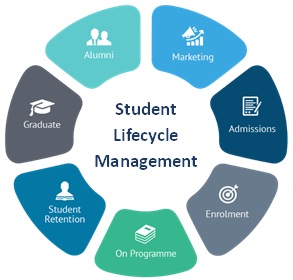
The student lifecycle encompasses every phase of a student’s interaction with an institution, including:
- Prospect/Inquiry
- Applicant
- Enrolled Student
- Graduating Student
- Alumnus/Alumna
Each stage presents opportunities—and risks—for institutions. When managed properly, the student lifecycle becomes a strategic framework for improving student success, retention, and long-term alumni engagement.
Where the Gaps Are—and Why They Matter
Despite advances in education technology, many higher education institutions continue to operate in silos. Admissions, academic affairs, student services, and alumni relations often use different systems and have limited visibility into each other's workflows.
Some of the most common gaps include:
- Inconsistent messaging between admissions and student support services
- Lack of early intervention for at-risk students due to poor data sharing
- Disjointed advising systems that don’t track student progress holistically
- Weak alumni engagement due to limited communication after graduation
These breakdowns negatively impact student satisfaction, reduce retention rates, and hinder institutional performance. According to the National Student Clearinghouse, nearly one in four students in the U.S. doesn’t return after their first year—often due to avoidable gaps in support.
The High Cost of a Disconnected Journey
When student data and communication channels are not integrated, institutions risk:
- Enrollment drop-offs due to poor follow-up during the admissions funnel
- Student disengagement from lack of timely support during their academic journey
- Missed opportunities for alumni giving or mentorship due to weak post-graduation relationships
A disconnected lifecycle doesn’t just hurt students—it creates administrative inefficiencies, drains staff time, and affects key metrics like graduation rates and alumni involvement.
A Real-World Scenario: The Silo Problem
Imagine a student named Priya who enrolls at a university after receiving a well-crafted email campaign from admissions. Once she joins, she doesn’t receive adequate orientation or guidance on academic resources. Midway through her first year, she struggles with coursework but doesn’t know where to turn. By the time student services reach out, she’s already disengaged.
This is not an isolated story. It illustrates how gaps between departments and poor use of student data can turn a promising enrollment into a lost opportunity.
Fixing the Gaps: A Holistic Approach
To deliver a seamless and engaging student experience, institutions must break down silos and invest in student lifecycle platforms that offer a centralized, real-time view of every student’s journey.
1. Adopt an Integrated CRM System
Modern CRM platforms built for higher education can manage everything from inquiry tracking and application workflows to academic progress and alumni outreach. They provide a 360° view of the student lifecycle and enable coordinated communication across departments.
2. Automate Key Touchpoints
Using automation, institutions can ensure that every student receives personalized, timely messages throughout their journey—reminders, onboarding guides, wellness check-ins, graduation prep, and more.
3. Use Data Analytics for Early Intervention
By tracking student behavior (logins, attendance, grades), institutions can identify students who may be struggling and trigger alerts for advisors to step in with support.
4. Enable Cross-Department Collaboration
Shared dashboards and communication tools allow academic, financial, and support teams to work together in real time, improving responsiveness and consistency.
5. Close the Loop with Alumni Engagement
An effective lifecycle strategy doesn’t end at graduation. Use CRM tools to maintain relationships with alumni through mentorship programs, career support, and giving campaigns.
Moving Forward: Auditing Your Student Lifecycle Strategy
Higher education leaders should regularly assess their student lifecycle strategy by asking:
- Are we using technology to connect each stage of the student journey?
- Can departments access a unified view of student progress?
- Are we proactive in addressing student needs, or reactive?
- Do we maintain engagement after graduation?
Answering these questions honestly can help institutions identify and prioritize areas for improvement.
Final Thoughts
Students today expect a connected, personalized experience from the moment they inquire about a university to long after they graduate. Institutions that recognize the importance of a seamless student lifecycle—and act on it—will be better equipped to support student success, improve retention, and build lasting alumni relationships.
By fixing the gaps in your student lifecycle strategy, you don’t just retain more students—you transform them into lifelong advocates of your institution