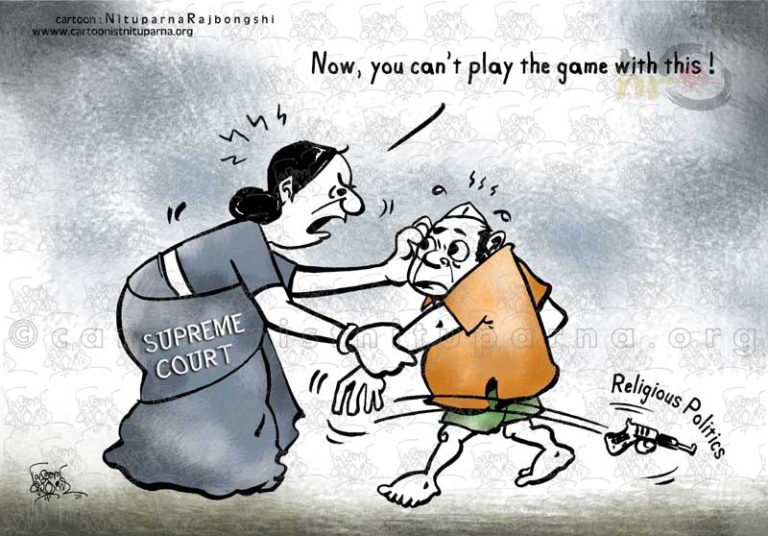
Indian religious politics refers to the intersection of religion and politics in India. India is a diverse country with a rich religious heritage, encompassing various religions such as Hinduism, Islam, Christianity, Sikhism, Buddhism, and Jainism, among others. Religion plays a significant role in the social, cultural, and political fabric of the country.
Religious politics in India has been a prominent feature since the country's independence in 1947. Various political parties have emerged that align themselves with specific religious communities and seek to advance their interests. Some key aspects of Indian religious politics include:
Hindu Nationalism: Hindu nationalism, often associated with the Bharatiya Janata Party (BJP) and its ideological wing, the Rashtriya Swayamsevak Sangh (RSS), promotes the idea of India as a Hindu nation. These groups advocate for the protection and promotion of Hindu culture, values, and traditions.
Secularism: India's Constitution declares the country to be a secular state, aiming to treat all religions equally and ensure religious freedom for all citizens. However, the interpretation and practice of secularism in Indian politics have been subject to debate and controversy.
Communalism: Communalism refers to the identification of individuals with their religious or communal identities over their national identity. Communal politics often involves exploiting religious sentiments and divisions for political gain, leading to tensions and conflicts between different religious communities.
Religious-based Parties: Several political parties in India have a religious basis or cater to specific religious communities. For example, the All India Majlis-e-Ittehadul Muslimeen (AIMIM) primarily represents Muslim interests, while the Shiromani Akali Dal (SAD) focuses on Sikh issues.
Electoral Strategies: Religious considerations often play a role in election campaigns. Parties may seek to mobilize voters along religious lines, using religious symbols, rhetoric, and promises to attract support from particular communities.
Ayodhya Dispute: The Ayodhya dispute has been a significant issue in Indian religious politics. It involves a long-standing conflict between Hindus and Muslims over the ownership and control of a site in Ayodhya, believed to be the birthplace of Lord Rama. The dispute led to communal tensions and, ultimately, a legal and political resolution.
It's important to note that Indian politics is a complex and dynamic field, and religious politics is just one aspect of it. The country's democratic system allows for diverse opinions, and political parties differ in their approach to religious issues. Public opinion and the social context also shape the dynamics of religious politics in India.
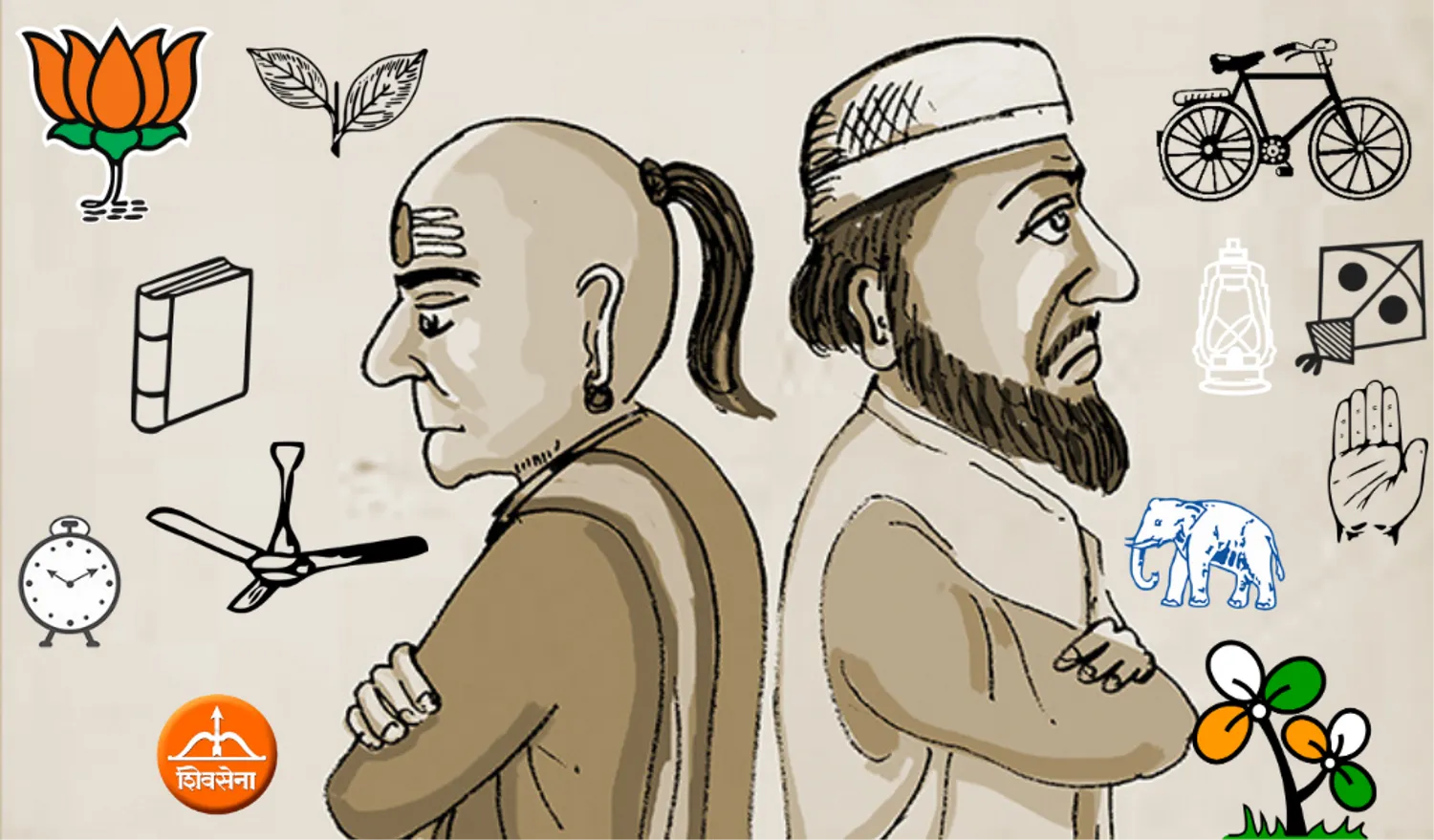
Indian RELIGIOUS politics how its stops
The cessation of religious politics in India would require a combination of factors, including societal changes, political reforms, and a shift in public discourse. While it is challenging to predict the precise timeline or methods for stopping religious politics, here are some possible ways that could contribute to reducing its influence:
Promoting Secularism: Emphasizing and strengthening the principles of secularism as enshrined in the Indian Constitution can help ensure equal treatment and protection of all religious communities. This includes promoting religious freedom, discouraging discrimination, and upholding the rights of individuals to practice their faith without interference.
Education and Awareness: Encouraging education and awareness about different religions and fostering interfaith dialogue can promote understanding, tolerance, and harmony among different religious communities. This can help reduce the potential for divisive religious politics based on misunderstandings or stereotypes.
Electoral Reforms: Implementing electoral reforms that discourage the use of religion as a divisive tool can help reduce the influence of religious politics. This may involve stricter regulations on hate speech, communal campaigning, or religious appeals during elections.
Focus on Development and Governance: Shifting the political discourse from religious identity to issues of development, governance, and welfare can help move away from religious politics. Prioritizing economic growth, social justice, and inclusive policies that benefit all citizens can reduce the appeal of religious-based agendas.
Strengthening Institutions: Building strong and independent institutions, including the judiciary, law enforcement agencies, and election commissions, can ensure the fair enforcement of laws and prevent the manipulation of religious sentiments for political gains.
Grassroots Movements: Encouraging grassroots movements that promote inclusivity, social harmony, and secular values can contribute to the reduction of religious politics. These movements can work towards fostering a sense of national identity and common citizenship beyond religious affiliations.
- It is important to note that religious beliefs and practices are deeply ingrained in Indian society, and religion will likely continue to play a role in the lives of individuals. The goal is to promote a healthy and inclusive approach to religion that respects individual rights and fosters social cohesion, rather than exploiting religious divisions for political purposes.
CONTACT US : telescope.ac