Designing and manufacturing a computer motherboard is a complex process that requires specialized knowledge and resources. However, I can provide you with a general overview of the steps involved. Keep in mind that this is a simplified explanation, and designing a real-world motherboard involves much more detail and expertise.
Define Requirements: Determine the intended purpose, target market, and desired specifications of the motherboard, such as form factor, processor socket type, expansion slots, memory support, and connectivity options.
Schematic Design: Create a schematic diagram of the motherboard, which includes the various components, their interconnections, power delivery, and signal routing. This schematic serves as the blueprint for the board.
PCB Layout: Use computer-aided design (CAD) software to design the physical layout of the printed circuit board (PCB). This involves placing the components on the board and routing the traces that connect them while considering factors like signal integrity, power delivery, and electromagnetic compatibility.
Component Selection: Choose the specific components for the motherboard, including the chipset, CPU socket, memory slots, power regulators, input/output ports, expansion slots, and other required peripherals. Consider compatibility, performance, power consumption, and cost when making these selections.
Prototype Manufacturing: Once the PCB design is complete, produce a small number of prototypes. This involves manufacturing the PCB, sourcing the components, and assembling them onto the board. The prototype allows for testing and validation of the design.
Testing and Debugging: Conduct comprehensive testing of the prototype motherboard to ensure its functionality and performance. Identify and fix any issues or bugs that arise during this phase.
Production Manufacturing: Once the design is finalized and validated, prepare for mass production. This involves selecting a manufacturing partner, creating detailed manufacturing instructions, sourcing the required components, and coordinating the production process.
Quality Control: Implement quality control measures throughout the production process to ensure that each motherboard meets the specified standards. This may involve inspections, functional testing, and reliability testing.
Certification and Compliance: Obtain the necessary certifications and ensure compliance with industry standards and regulations, such as electromagnetic compatibility (EMC) and safety certifications.
Distribution: Package and distribute the manufactured motherboards to the intended markets, whether through direct sales or partnerships with distributors and retailers.
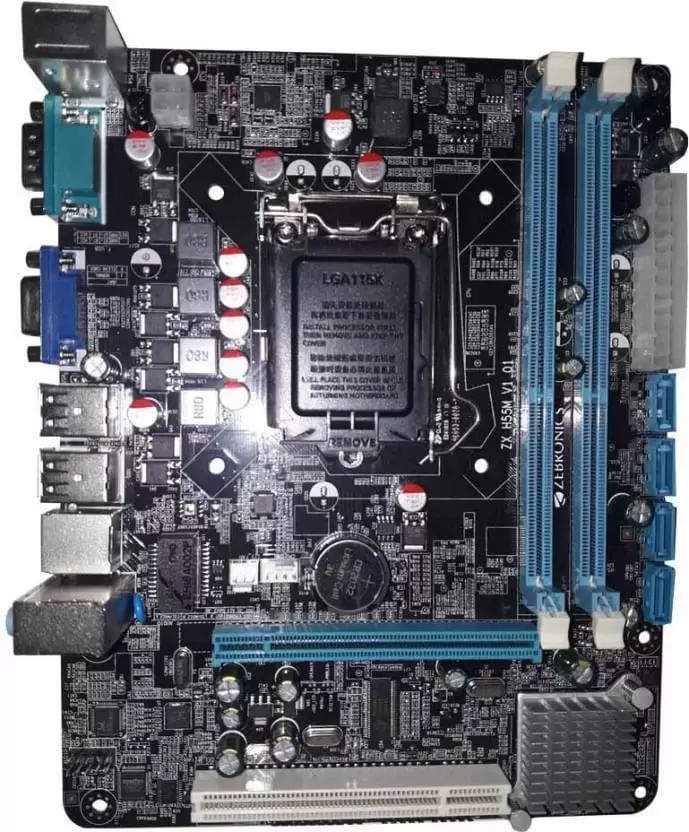
It's worth noting that designing and manufacturing a computer motherboard is a highly specialized and resource-intensive task. It typically requires a team of engineers with expertise in electrical engineering, PCB design, signal integrity, firmware development, and manufacturing processes. Additionally, access to advanced CAD software, testing equipment, and manufacturing facilities is essential.
CONTACT US : telescope.ac