Hearing loss can significantly impact your quality of life, making it challenging to engage in conversations, enjoy your favorite music, or even hear the doorbell. Thankfully, advancements in technology have led to a range of hearing solutions that cater to different needs and preferences. From over-the-counter hearing aids to cutting-edge Bluetooth devices, there's a solution for almost every type of hearing challenge. In this comprehensive guide, we’ll explore various hearing solutions, including sound hearing solutions, rechargeable aids, and the best hearing aids available on the market.
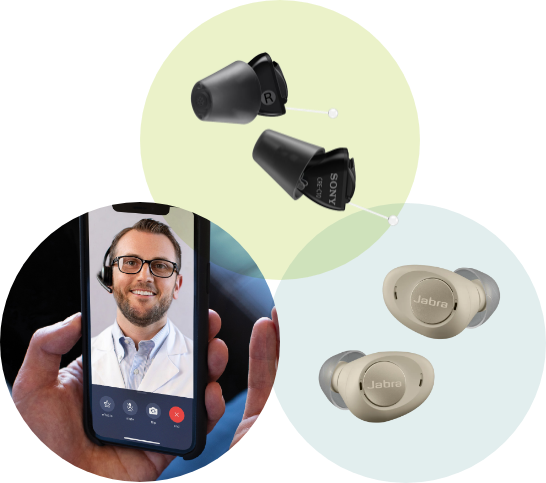
Introduction to Hearing Solutions
Hearing solutions encompass a broad spectrum of devices and treatments designed to improve hearing abilities. Whether you're dealing with mild hearing loss or more severe impairments, understanding your options can help you make an informed decision. In this article, we'll delve into various types of hearing aids, from over-the-counter options to sophisticated Bluetooth hearing aids, and help you find the best fit for your needs.
Understanding Hearing Loss and Solutions
Before diving into specific types of hearing aids, it’s essential to understand the nature of hearing loss. Hearing loss can be categorized into different types, including sensorineural, conductive, and mixed hearing loss. Each type affects the hearing mechanism differently, and thus, requires tailored solutions.
Sensorineural Hearing Loss
Sensorineural hearing loss occurs when there's damage to the inner ear or the auditory nerve. This type is usually permanent and is often treated with hearing aids or implants.
Conductive Hearing Loss
Conductive hearing loss results from issues in the outer or middle ear that prevent sound from being conducted effectively to the inner ear. This type might be treatable with medication or surgery, but hearing aids are also a common solution.
Mixed Hearing Loss
Mixed hearing loss is a combination of sensorineural and conductive hearing loss, requiring a comprehensive approach to treatment.
Types of Hearing Solutions
Over-the-Counter Hearing Aids
Over-the-counter (OTC) hearing aids are a relatively new addition to the market, designed to be more accessible and affordable. These devices are available without a prescription and are suitable for individuals with mild to moderate hearing loss.
Advantages of OTC Hearing Aids
OTC hearing aids offer several benefits, including cost savings and convenience. They’re generally less expensive than prescription devices and don’t require a visit to an audiologist. Additionally, they come with user-friendly features that allow for easy adjustments.
Disadvantages of OTC Hearing Aids
However, OTC hearing aids may not provide the same level of customization as prescription devices. They lack personalized fitting and professional adjustments, which can be crucial for individuals with more complex hearing needs.
Sound Hearing Solutions
Sound hearing solutions refer to a range of devices designed to enhance auditory perception. This category includes both traditional hearing aids and more advanced options like cochlear implants.
Traditional Hearing Aids
Traditional hearing aids are devices that amplify sound to help individuals with hearing loss. They come in various styles, including behind-the-ear (BTE), in-the-ear (ITE), and in-the-canal (ITC) models. These devices can be customized to meet the user's specific hearing needs and preferences.
Cochlear Implants
For those with severe hearing loss who do not benefit from traditional hearing aids, cochlear implants may be a solution. These devices bypass damaged parts of the ear and directly stimulate the auditory nerve, providing a sense of sound.
Rechargeable Aids
Rechargeable hearing aids are an innovative solution that eliminates the need for frequent battery replacements. These aids come with built-in rechargeable batteries that can last for a full day of use on a single charge.
Benefits of Rechargeable Hearing Aids
Rechargeable hearing aids offer several advantages, including convenience and cost savings. You won’t need to worry about buying or changing batteries regularly. Additionally, many rechargeable models feature fast charging capabilities, making them ideal for users with busy lifestyles.
Considerations for Rechargeable Aids
While rechargeable aids offer many benefits, it’s essential to consider factors such as battery life and charging time. Some models may require longer charging periods, which could be inconvenient for heavy users.
Bluetooth Hearing Aids
Bluetooth hearing aids represent a significant advancement in hearing aid technology. These devices can connect wirelessly to smartphones, tablets, and other Bluetooth-enabled devices, allowing users to stream audio directly to their hearing aids.
Advantages of Bluetooth Hearing Aids
Bluetooth hearing aids provide a seamless and convenient way to enjoy music, phone calls, and other audio directly through your hearing aids. They often come with features such as volume control and sound adjustments that can be managed through a smartphone app.
Potential Drawbacks
Although Bluetooth hearing aids offer many modern conveniences, they may be more expensive than traditional hearing aids. Additionally, users may need to familiarize themselves with Bluetooth technology and app controls.
Choosing the Best Hearing Aids
When selecting the best hearing aids for your needs, consider the following factors:
Degree of Hearing Loss
The severity of your hearing loss will determine the type of hearing aid that is most suitable for you. For mild to moderate hearing loss, OTC or traditional hearing aids may be sufficient. For severe cases, consider cochlear implants or advanced hearing aids with enhanced features.
Lifestyle and Preferences
Your lifestyle and personal preferences play a significant role in choosing the right hearing aid. If you lead an active lifestyle, rechargeable and Bluetooth hearing aids might be more convenient. For those who prefer simplicity, traditional hearing aids or OTC options may be suitable.
Budget
Hearing aids can vary widely in cost. Consider your budget and explore options that provide the best value for your money. Remember that more expensive models often come with advanced features, but there are also affordable options that offer excellent performance.
Professional Advice
Consulting with an audiologist or hearing specialist can provide valuable insights and recommendations based on your specific hearing needs. They can help you choose the best hearing aid and ensure proper fitting and adjustment.
Conclusion
Finding the right hearing solution involves understanding your hearing needs, exploring different types of hearing aids, and considering your lifestyle and budget. Whether you opt for over-the-counter hearing aids, rechargeable aids, or advanced Bluetooth models, there is a solution available to enhance your auditory experience. Take the time to research and consult with professionals to ensure you make an informed decision and enjoy the best possible hearing quality.
FAQs
1. What is the difference between over-the-counter hearing aids and prescription hearing aids?
Over-the-counter hearing aids are available without a prescription and are generally less expensive but may lack customization. Prescription hearing aids are tailored to your specific hearing needs and are usually fitted by an audiologist.
2. How long do rechargeable hearing aids typically last on a single charge?
Rechargeable hearing aids typically last between 24 to 48 hours on a single charge, depending on the model and usage. Some advanced models offer fast-charging capabilities for added convenience.
3. Can Bluetooth hearing aids connect to all types of smartphones?
Most Bluetooth hearing aids are compatible with a wide range of smartphones, including both iOS and Android devices. However, it’s essential to check the specific compatibility of the hearing aid model you are considering.
4. Are there any hearing aids specifically designed for severe hearing loss?
Yes, there are hearing aids and cochlear implants designed specifically for individuals with severe hearing loss. These devices provide more amplification and advanced features to help users hear more effectively.
5. How often should I have my hearing aids professionally checked and adjusted?
It’s recommended to have your hearing aids professionally checked and adjusted at least once a year or as needed. Regular check-ups ensure that your hearing aids are functioning correctly and are adjusted to your current hearing needs.