A well-defined side profile often contributes to facial balance, creating a smoother transition between the chin, jawline, and neck. However, excess fat beneath the chin can make these features appear less distinct, affecting how the face looks from different angles. Many people exploring Double Chin Removal Dubai are interested in understanding how addressing fullness beneath the chin may complement their natural facial features. The appearance of a double chin varies from person to person, depending on facial structure, skin characteristics, posture, and individual fat distribution. Understanding these factors can help explain why the area beneath the chin plays an important role in the overall appearance of the side profile.
Connection Between a Double Chin and Side Profile
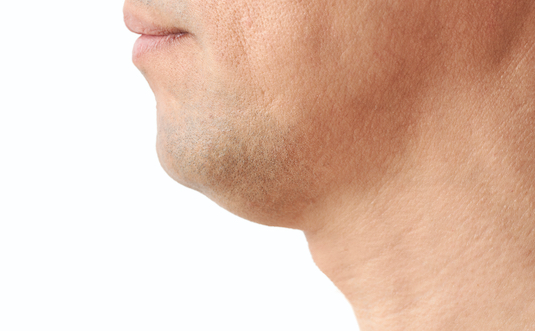
The side profile highlights the relationship between the forehead, nose, lips, chin, and neck. When the area beneath the chin appears fuller, the jawline may look less prominent, making the lower face seem rounder.
A double chin does not necessarily indicate excess body weight. Some people naturally have a softer contour beneath the chin because of their inherited facial structure or the way their bodies distribute fat. These characteristics can influence the definition of the jaw and neck, even when the rest of the face appears relatively slim.
Why Jawline Definition Matters
The jawline creates an important visual boundary between the face and neck. When this boundary is clearly visible, the lower face may appear more structured and balanced.
Fullness beneath the chin can soften this outline, reducing the visual distinction between the jaw and neck. Addressing this concern may be relevant for individuals who want their natural facial contours to appear more defined without changing their overall facial identity.
Can Double Chin Removal Improve Facial Balance?
However, facial balance depends on several characteristics, not just the amount of tissue beneath the chin. Chin projection, jaw shape, neck structure, and skin firmness all influence how the profile looks.
Chin shape: The natural size and position of the chin affect lower-face proportions.
Jawline contour: The shape of the jaw determines how clearly it separates the face from the neck.
Neck definition: The contour beneath the chin influences the overall outline of the lower face.
Considering these features together provides a more realistic understanding of facial balance.
The Role of Natural Facial Structure
Every individual has a unique facial framework. Some people naturally have a rounded chin or a shorter distance between the chin and neck, while others have a more angular lower face.
Recognising natural anatomical differences is important when considering changes to the side profile. The aim should be to understand how individual features contribute to the overall appearance rather than comparing every face against a single beauty standard.
How Skin Firmness Influences the Lower Face
Skin quality plays an important role in the appearance of the chin and neck. Firm skin can help maintain a distinct outline, while loose or less elastic skin may contribute to a softer contour.
When excess fullness and loose skin are both present, the appearance of the side profile may involve more than one concern. Understanding this distinction helps set realistic expectations about what addressing submental fullness may mean for an individual's facial contours.
Common Factors That Affect the Appearance of a Double Chin
Several personal characteristics can influence how prominent the area beneath the chin appears.
Genetics: Family traits may influence chin shape, fat distribution, and jawline definition.
Age: Changes in skin elasticity and facial structure can affect the lower face.
Posture: The position of the head and neck can change how the chin area appears in photographs.
Weight fluctuations: Changes in body weight may influence fullness beneath the chin.
Facial proportions: A naturally small or recessed chin may make the neck area appear fuller.
The Importance of Realistic Aesthetic Expectations
A defined jawline can be a personal aesthetic preference, but facial features should be considered in their natural context. Double chin removal is not intended to make every face look identical or guarantee a particular profile.
Individual anatomy influences the appearance of the chin and neck, so changes in submental fullness may be more noticeable for some people than for others. Existing skin laxity, chin projection, and jaw shape can also affect the overall contour.
Double Chin Removal and Confidence in Your Appearance
For some individuals, fullness beneath the chin becomes a particular concern when looking at photographs, using video calls, or viewing their reflection from the side. This concern may influence how they perceive their facial proportions.
Understanding the features that contribute to a double chin can encourage a more informed and balanced perspective. Rather than focusing exclusively on a single area, it can be helpful to consider the entire face, including the cheeks, chin, jawline, and neck.
Looking at the Side Profile as a Whole
The side profile is shaped by the relationship between several connected features. The chin, jawline, neck, lips, and nose each contribute to the overall silhouette.
A fuller area beneath the chin may soften the transition between the jaw and neck, but other structural characteristics can produce a similar appearance. For this reason, considering the lower face as a complete unit provides a more balanced perspective than focusing on the double chin alone.
Final Thoughts
Double chin removal may help improve the side profile by addressing fullness beneath the chin and making the natural jawline appear more distinct. However, the extent to which this concern influences facial appearance depends on individual characteristics, including genetics, chin projection, skin firmness, and neck structure. A harmonious side profile does not require extreme definition. Instead, it reflects the relationship between the face and neck and the balance of natural features.