In today’s digital age, reliable communication is essential. Whether it’s for personal use, such as streaming your favorite shows, or for professional applications, a robust antenna system can make a significant difference in signal quality. One of the crucial components that contribute to this efficiency is the high strength antenna wire. This article explores what high strength antenna wire is, its benefits, and how to choose the right type for your needs.
What is High Strength Antenna Wire?
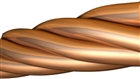
High strength antenna wire is a specialized type of wire designed to withstand environmental stress while maintaining excellent conductivity. It’s typically made from materials like copper or aluminum, often coated with a layer of corrosion-resistant material to ensure durability. The wire’s high tensile strength allows it to endure harsh weather conditions, making it an ideal choice for both outdoor and indoor antennas.
Benefits of Using High Strength Antenna Wire
- Durability: Primarily high strength antenna wire provides durability. Whether you’re dealing with heavy winds, rain, or extreme temperatures, this wire can handle it all without compromising its structural integrity.
- Signal Quality: High strength antenna wire is designed to minimize resistance and loss. This results in better signal quality and increased reception range, allowing you to enjoy clearer audio and video signals.
- Versatility: This type of wire can be used in various applications, from television antennas to amateur radio setups.
- Easy Installation: High strength antenna wire is often lightweight and flexible, making it easy to work with during installation. Whether you’re creating a DIY antenna or upgrading an existing setup, this wire can simplify the process.
- Cost-Effectiveness: While high strength antenna wire may have a higher initial cost compared to standard wire, its longevity and performance can save you money in the long run. Fewer replacements mean reduced overall expenses.
Choosing the Right High Strength Antenna Wire
When selecting high strength antenna wire, several factors should be considered:
- Material: Copper and aluminum are the most common materials used for antenna wire. Aluminum is lighter and resistant to corrosion. Copper offers better conductivity.
- Gauge: The wire's gauge establishes its thickness. Thicker wire (lower gauge number) can handle more power and is more resistant to damage, while thinner wire (higher gauge number) is more flexible and easier to work with.
- Coating: Look for wire that has a protective coating to enhance durability and resistance to corrosion.
- Length: Measure the distance between your antenna and receiver to determine how much wire you need. It’s often better to have a little extra wire than to come up short during installation.
- Application: Consider your specific needs. If you’re building a radio antenna for amateur use, you might require a different type of wire compared to what’s needed for a television antenna.
To Conclude,
High strength antenna wire is an essential component for anyone looking to enhance their communication setup. Its durability, superior signal quality, and ease of installation make it a preferred choice for both casual users and professionals. By understanding the different factors to consider when choosing antenna wire, you can ensure that your setup is both reliable and efficient. Whether you're setting up a new system or upgrading an existing one, investing in high strength antenna wire will pay off in improved performance and longevity.
For the best results, always do your research and select a product that meets your specific needs and requirements. With the right high strength antenna wire, you can enjoy seamless connectivity and robust signal reception for years to come.