Performing wudu (ablution) is a daily ritual for millions of Muslims around the world. While the act itself is deeply spiritual, the design of the space where wudu is performed plays a crucial role in comfort, hygiene, and accessibility. Over the years, traditional ablution areas have evolved, and one design has emerged as both practical and user-friendly: the dual level wudu basin.
This modern solution is rapidly becoming the preferred choice for mosques, Islamic centers, educational institutions, and even high-end residential spaces. In this article, we’ll explore what a dual level wudu basin is, how it works, and why it is considered the most practical ablution design available today.
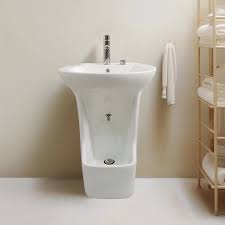
What is a Dual Level Wudu Basin?
A dual level wudu basin is a specially designed ablution unit featuring two distinct height levels—one typically for washing the hands and face, and the lower level designed for washing the feet comfortably without excessive bending or splashing.
Unlike conventional sinks or floor-level taps, this design accommodates the natural movements involved in wudu. The thoughtful height difference ensures ease of use, cleanliness, and better posture during ablution.
The Problem with Traditional Wudu Areas
Before understanding the benefits of a dual level wudu basin, it’s important to recognize the challenges posed by traditional setups:
- Excessive bending causes discomfort, especially for elderly users
- Water splashing leads to slippery floors and hygiene concerns
- Poor posture results in back and knee strain
- Shared floor taps can feel unhygienic
- Limited accessibility for children and people with disabilities
These issues not only affect user comfort but also increase maintenance costs and safety risks.
Why the Dual Level Wudu Basin Is the Most Practical Design
1. Ergonomic Comfort for All Users
The most significant advantage of a dual level wudu basin is its ergonomic design. The raised upper basin allows users to wash their hands, mouth, nose, and face without bending forward. Meanwhile, the lower basin is perfectly positioned for foot washing, reducing strain on the back and knees.
This makes the design ideal for:
- Elderly individuals
- People with joint or mobility issues
- Children
- Regular mosque attendees performing wudu multiple times daily
2. Improved Hygiene and Cleanliness
Hygiene is a major concern in shared ablution spaces. A dual level wudu basin minimizes contact with floors and prevents dirty water from splashing onto clothes or surrounding areas.
Key hygiene benefits include:
- Separation of upper-body and foot washing
- Better drainage control
- Reduced water pooling on floors
- Cleaner, more organized ablution spaces
This is especially important in mosques and public prayer facilities where cleanliness reflects respect for worship.
3. Reduced Water Splash and Slip Hazards
Traditional wudu areas often suffer from wet, slippery floors. The carefully angled surfaces and drainage system of a dual level wudu basin significantly reduce water splashing.
Benefits include:
- Safer floors with less risk of slipping
- Lower cleaning and maintenance effort
- A more pleasant experience for users
This practical advantage alone makes it a preferred choice for high-traffic areas.
4. Space-Efficient and Modern Design
Despite offering two functional levels, a dual level wudu basin is surprisingly space-efficient. Many designs are compact and wall-mounted, making them suitable for both large mosques and smaller prayer rooms.
Additionally, these basins offer:
- A sleek, modern appearance
- Compatibility with contemporary mosque interiors
- Customization options in materials and finishes
From stainless steel to ceramic and stone finishes, they enhance both function and aesthetics.
5. Accessibility and Inclusivity
One of the strongest arguments for installing a dual level wudu basin is inclusivity. Many designs can be adapted to accommodate:
- Wheelchair users
- Shorter individuals
- Children
With optional grab bars, seating support, and anti-slip surfaces, these basins promote universal access—ensuring everyone can perform wudu with dignity and ease.
6. Durable and Low Maintenance
A well-manufactured dual level wudu basin is built for durability. Designed for frequent daily use, these basins typically feature:
- Corrosion-resistant materials
- Smooth surfaces that are easy to clean
- Efficient plumbing systems
Over time, this results in lower repair costs and longer service life compared to traditional setups.
Ideal Places to Install Dual Level Wudu Basins
The versatility of this design makes it suitable for a wide range of locations, including:
- Mosques and prayer halls
- Islamic schools and universities
- Airports and shopping malls with prayer rooms
- Office prayer areas
- Modern Islamic homes
Anywhere that values comfort, hygiene, and efficiency can benefit from this solution.
Why Demand for Dual Level Wudu Basins Is Growing
As mosque architecture and interior design continue to modernize, the focus has shifted toward user-centered design. Communities are increasingly aware that a comfortable ablution experience encourages proper wudu and regular prayer.
The growing popularity of the dual level wudu basin reflects:
- Increased awareness of ergonomic design
- Higher hygiene standards
- A desire for long-term, sustainable solutions
Final Thoughts
The dual level wudu basin is more than just a modern fixture—it is a thoughtful response to real user needs. By combining ergonomic comfort, improved hygiene, safety, and aesthetic appeal, it stands out as the most practical ablution design available today.
Whether you’re planning a new mosque, upgrading an existing facility, or designing a prayer space at home, investing in a dual level wudu basin ensures a better wudu experience for everyone. It respects tradition while embracing innovation—exactly what modern Islamic spaces need.