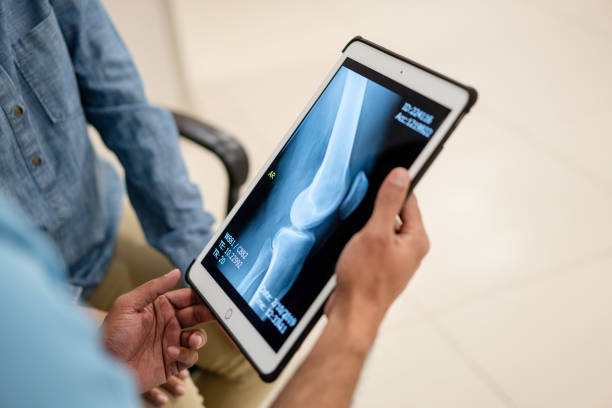
Knee pain and joint degeneration affect millions of adults, often limiting mobility and quality of life. For many years, total knee replacement was considered the inevitable solution once conservative treatments stopped working. Today, that assumption is changing. According to Steven J Thornton, MD, innovative cartilage restoration and joint preservation techniques are offering patients effective alternatives that focus on maintaining the natural knee joint rather than replacing it entirely.
The Role of Cartilage in Knee Health
Articular cartilage is a smooth, protective tissue that covers the ends of bones inside the knee joint. Its primary function is to allow frictionless movement and absorb impact during daily activities such as walking, running, or climbing stairs. When cartilage becomes damaged due to injury, overuse, or early arthritis, the knee loses its ability to move smoothly. This damage often results in pain, swelling, stiffness, and reduced function.
One of the major challenges with cartilage injuries is that cartilage has very limited self-healing capacity. Without targeted treatment, localized damage can worsen over time and eventually lead to widespread joint degeneration, often prompting recommendations for total knee replacement.
Rethinking the Need for Knee Replacement
Total knee replacement can be highly effective for patients with advanced arthritis, but it is not always the best first solution—especially for younger or active individuals. Replacing the joint involves removing healthy bone and tissue, and artificial joints have a limited lifespan. This means some patients may face additional surgeries later in life.
Joint preservation strategies aim to change this trajectory by addressing knee problems earlier and more precisely. Instead of waiting until the joint is severely damaged, these approaches focus on repairing existing structures and slowing disease progression.
What Is Joint Preservation?
Joint preservation is a treatment philosophy centered on maintaining the patient’s natural joint for as long as possible. It combines advanced diagnostic techniques with personalized treatment plans to correct underlying issues such as cartilage damage, joint alignment problems, or early degeneration.
This approach is particularly beneficial for patients who want to stay active and avoid the long-term limitations that can accompany joint replacement. Preserving the natural knee often leads to more natural movement and improved long-term satisfaction.
Understanding Cartilage Restoration Techniques
Cartilage restoration involves surgical and minimally invasive procedures designed to repair or regenerate damaged cartilage within the knee. These techniques target specific areas of damage rather than the entire joint, making them less invasive than total knee replacement.
Common cartilage restoration methods include:
· Microfracture procedures, which stimulate new cartilage growth
· Osteochondral grafting, replacing damaged cartilage with healthy tissue
· Advanced biologic techniques, designed to enhance healing and regeneration
When used in the right patients, cartilage restoration can significantly reduce pain, improve joint function, and delay or eliminate the need for knee replacement surgery.
Who Is an Ideal Candidate?
Not all knee pain patients are candidates for cartilage restoration or joint preservation. These treatments are most effective for individuals who have:
· Localized cartilage damage
· Early-stage arthritis
· Stable ligaments and proper joint alignment
· A desire to maintain an active lifestyle
A thorough evaluation, including imaging and clinical assessment, is essential to determine whether joint preservation is the appropriate path.
Advantages Over Total Knee Replacement
Joint preservation and cartilage restoration offer several key advantages compared to total knee replacement:
· Preservation of natural anatomy
· Potentially shorter recovery times
· Reduced surgical risk in selected patients
· More natural joint movement
· Delay or avoidance of artificial joint implantation
These benefits make joint preservation an appealing option for patients seeking long-term solutions without committing to permanent joint replacement.
A Shift Toward Personalized Knee Care
Orthopedic care is evolving toward personalized, patient-centered treatment. Instead of relying solely on end-stage solutions, modern knee care emphasizes early intervention, education, and advanced technology. Many patients are unaware that alternatives to knee replacement exist and assume surgery is unavoidable once pain begins.
By increasing awareness of cartilage restoration and joint preservation, patients can make informed decisions earlier—often leading to better outcomes and prolonged joint health.
The Future of Knee Treatment
As medical innovation continues to advance, joint preservation is becoming an increasingly important part of orthopedic care. These techniques empower patients to protect their natural joints while maintaining mobility and independence.
By promoting cartilage restoration and joint preservation as viable alternatives to total knee replacement, Steven J Thornton, MD is helping redefine how knee pain and degeneration are treated—offering hope, flexibility, and long-term solutions for patients seeking a more natural approach to joint health.