Winter in Saskatchewan is not mild. Snowstorms, freezing rain, black ice, and strong winds are common. For drivers, these conditions demand skill, patience, and preparation.
Every year, collisions increase during the winter months. Many of these accidents are preventable. The key is understanding how winter roads change vehicle behavior. And adjusting your driving habits.
Whether you are a new driver or have years of experience, preparing for Saskatchewan’s winter roads is essential for staying safe.
Understand How Winter Changes the Road
Cold temperatures affect traction. Snow and ice reduce the grip between your tires and the pavement. Even vehicles with advanced safety features can lose control if driven too aggressively.
Black ice is especially dangerous. It forms when melted snow refreezes on the road surface. It is often invisible and appears like wet pavement.
Bridges, overpasses, and shaded areas freeze first. Always approach these spots with caution.
Recognizing that winter roads require different driving behavior is the first step toward safety.
Slow Down and Increase Following Distance
Speed is one of the main factors in winter collisions. Driving at the posted limit may not be safe when roads are icy.
Reduce your speed and allow more time to reach your destination. In winter, patience prevents accidents.
Increase your following distance to at least five or six seconds behind the vehicle ahead. This gives you more time to react if they brake suddenly.
If visibility is poor due to blowing snow, increase the gap even further. Defensive spacing protects you from sudden hazards.
Use Smooth Steering and Braking
Sudden movements cause loss of control on icy roads.
When steering, turn the wheel gently. Avoid sharp inputs. When braking, apply steady pressure instead of slamming the pedal.
If your vehicle has anti-lock brakes, press firmly and let the system work. If you do not have anti-lock brakes, pump the brake gently to prevent wheel lock.
Smooth driving keeps your vehicle stable. Quick reactions often make skids worse.
Many drivers benefit from professional winter driving lessons in Regina, where instructors teach proper control techniques in real cold-weather conditions.
Prepare Your Vehicle Before Winter
Safe winter driving begins before you start the engine.
Make sure your vehicle is ready by:
- Installing winter tires
- Checking tire pressure regularly
- Testing your battery
- Replacing worn windshield wipers
- Keeping washer fluid filled with winter-grade solution
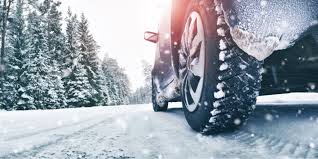
Winter tires provide better grip in cold temperatures. They are designed to remain flexible in freezing conditions.
Clear all snow and ice from your vehicle before driving. This includes windows, mirrors, lights, and the roof. Snow blowing off your vehicle can reduce visibility for other drivers.
Preparation reduces risk before you even leave your driveway.
Master Skid Control Basics
Even careful drivers may encounter skids in winter. Knowing how to respond makes a big difference.
If your front wheels skid, ease off the accelerator and steer gently in the direction you want the front of the car to go.
If your rear wheels skid, turn the steering wheel in the direction of the skid. Do not overcorrect. Keep movements controlled and calm.
Avoid slamming the brakes during a skid. Panic makes the situation worse.
Practicing skid awareness in safe, supervised environments helps drivers react properly if it happens on the road.
Adjust for Visibility Challenges
Winter storms can reduce visibility quickly. Blowing snow may create whiteout conditions.
Use low-beam headlights during snowfall. High beams reflect off snow and reduce visibility. Keep extra washer fluid in your vehicle. Road salt and slush can cover your windshield fast.
If visibility becomes too poor to see clearly, pull over safely. It is better to wait than to drive blindly. Clear vision is critical for safe decision-making.
Plan Ahead for Winter Travel
Winter driving requires extra planning. Check weather forecasts before long trips. Allow additional travel time. Inform someone of your route if driving in rural areas.
Keep an emergency kit in your vehicle. Include:
- Warm blankets
- Extra gloves and hats
- A flashlight
- A small shovel
- Non-perishable snacks
- A phone charger
Saskatchewan winters can be severe. Being prepared provides peace of mind.
Stay Calm and Avoid Overconfidence
Four-wheel drive and all-wheel drive vehicles improve traction when accelerating. However, they do not reduce stopping distance.
Overconfidence leads to risky decisions. Every vehicle responds differently on snow and ice.
Drive defensively. Expect other drivers to struggle. Maintain space and avoid sudden lane changes.
Winter roads reward patience and punish aggression.
Build Confidence Through Practice
The best way to improve winter driving skill is controlled practice.
Start in low-traffic areas after a light snowfall. Practice gentle stops and smooth turns. Learn how your vehicle responds.
Confidence grows with experience. When drivers understand their vehicle’s limits, they make safer choices.
If you are new to Saskatchewan or new to winter conditions, professional instruction can provide guided practice in real scenarios.
Stay Safe All Season Long
Winter roads in Saskatchewan demand respect. Snow and ice change how vehicles move and stop. Drivers who fail to adjust increase their risk of accidents.
Slow down. Increase following distance. Use smooth steering and braking. Prepare your vehicle properly. Stay alert for changing conditions.
Safe winter driving is not about rushing to your destination. It is about arriving safely.
With preparation, awareness, and defensive habits, you can navigate Saskatchewan’s winter roads with confidence and control.