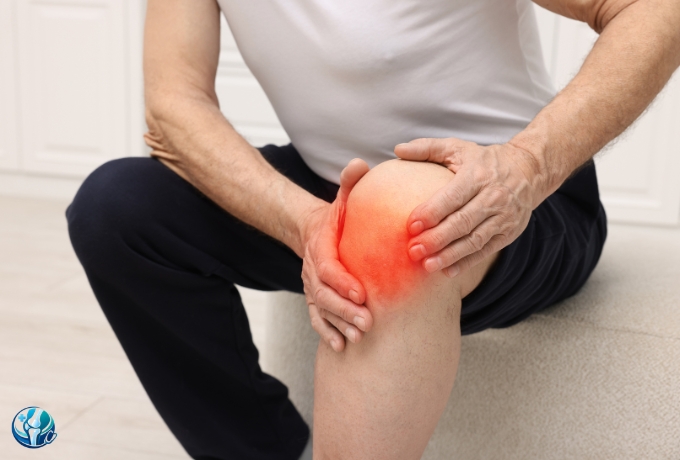
Knee arthritis is one of the most common causes of chronic knee pain, especially among adults over the age of 50. However, it can also affect younger individuals due to previous injuries, obesity, or repetitive stress on the joints. Unfortunately, many people dismiss the early signs as simple muscle fatigue or age-related discomfort, delaying treatment until the condition becomes more advanced.
Recognizing Knee Arthritis Symptoms early allows for timely treatment, better pain management, and improved joint function. If you're experiencing persistent Knee Joint Pain, understanding the warning signs can help you seek the right care before the damage progresses.
What Is Knee Arthritis?
Knee arthritis occurs when the protective cartilage that cushions the knee joint gradually wears away. As the cartilage becomes thinner, the bones begin to rub against each other, leading to pain, stiffness, inflammation, and reduced mobility.
The two most common types are:
- Osteoarthritis: Age-related wear and tear of the knee joint.
- Rheumatoid Arthritis: An autoimmune condition that causes inflammation of the joint lining.
Both conditions can significantly affect daily activities if left untreated.
Early Knee Arthritis Symptoms
Many people ignore the initial symptoms because they develop gradually. Paying attention to these early warning signs can make a significant difference in preserving joint health.
Persistent Knee Joint Pain
One of the earliest signs is pain that develops during or after walking, climbing stairs, or standing for long periods. Initially, the discomfort may improve with rest but tends to become more frequent over time.
Morning Stiffness
If your knee feels stiff after waking up or after sitting for an extended period, arthritis may be the cause. The stiffness usually improves after gentle movement.
Swelling Around the Knee
Inflammation inside the joint may cause noticeable swelling, making the knee feel tight and uncomfortable.
Difficulty Climbing Stairs
Many people with early arthritis notice increased pain while climbing or descending stairs because these activities place greater pressure on the knee joint.
Clicking or Grinding Sensations
As cartilage wears down, you may hear or feel grinding, clicking, or crackling sounds when bending the knee.
Reduced Range of Motion
Simple activities such as squatting, kneeling, or fully straightening the knee may become increasingly difficult.
Risk Factors for Knee Arthritis
Several factors increase the likelihood of developing arthritis.
Common risk factors include:
- Aging
- Previous knee injuries
- Obesity
- Family history of arthritis
- Repetitive stress from certain occupations
- High-impact sports
- Weak thigh muscles
Understanding these risk factors allows individuals to take preventive measures before symptoms worsen.
When Should You See an Orthopedic Specialist?
Occasional knee discomfort may not require immediate treatment, but you should consult an orthopedic doctor if you experience:
- Knee pain lasting more than two weeks
- Frequent swelling
- Morning stiffness that persists
- Difficulty walking
- Pain during routine activities
- Knee instability
- Reduced flexibility
- Pain that interrupts sleep
If you're noticing these symptoms, learning more about Knee Arthritis Symptoms can help you recognize when professional orthopedic evaluation becomes necessary.
How Is Knee Arthritis Diagnosed?
An orthopedic specialist will evaluate your symptoms and determine the extent of joint damage.
Diagnosis may include:
- Medical history review
- Physical examination
- Assessment of knee movement
- X-rays to evaluate cartilage loss and bone changes
- MRI scans when soft tissue injuries are suspected
- Blood tests if inflammatory arthritis is considered
Early diagnosis allows treatment to begin before severe joint damage develops.
Treatment Options
Treatment depends on the severity of arthritis and your overall health.
Lifestyle Modifications
Maintaining a healthy weight reduces stress on the knee joint and helps relieve pain.
Physiotherapy
Strengthening the muscles surrounding the knee improves stability and reduces pressure on the affected joint.
Medications
Pain relievers and anti-inflammatory medications may help manage symptoms under medical supervision.
Assistive Devices
Supportive knee braces or walking aids may improve mobility and reduce discomfort.
Surgical Treatment
When arthritis becomes advanced and conservative treatments no longer provide relief, procedures such as knee preservation techniques or joint replacement surgery may be considered.
People who experience increased discomfort during rainy weather may also benefit from learning about Monsoon Knee Joint Pain Treatment and practical strategies to manage seasonal flare-ups.
Can Knee Arthritis Be Prevented?
Although aging cannot be prevented, healthy habits can lower your risk or slow disease progression.
Helpful prevention tips include:
- Maintain a healthy body weight.
- Exercise regularly with low-impact activities.
- Strengthen your thigh and leg muscles.
- Avoid repetitive stress on the knees.
- Wear supportive footwear.
- Treat knee injuries promptly.
- Stay physically active.
According to the American Academy of Orthopaedic Surgeons (AAOS), regular exercise, maintaining a healthy weight, and protecting the joints from injury are among the most effective ways to reduce the risk and progression of knee arthritis.
Conclusion
Early Knee Arthritis Symptoms are often subtle but should never be ignored. Persistent Knee Joint Pain, stiffness, swelling, and difficulty with everyday activities may indicate the early stages of arthritis. Seeking timely orthopedic care can help slow disease progression, reduce pain, and maintain your quality of life.
If your knee discomfort is becoming more frequent or affecting your daily routine, consulting an orthopedic specialist can help you receive an accurate diagnosis and a personalized treatment plan.
Frequently Asked Questions
1. What is usually the first symptom of knee arthritis?
The earliest symptom is often mild knee pain during activity, followed by stiffness after rest or in the morning.
2. Can knee arthritis develop at a young age?
Yes. Previous injuries, obesity, repetitive stress, and certain autoimmune conditions can lead to arthritis even in younger adults.
3. Is knee arthritis curable?
There is currently no cure for arthritis, but early diagnosis, lifestyle changes, physiotherapy, medications, and appropriate orthopedic treatment can effectively manage symptoms and slow disease progression.
Contact Us
Dr. Avinash Gadekar - Neuron Plus Hospital
Nagar-Shirdi Road, near Rironsi Honda Showroom, savedi naka, Savedi, Ahilyanagar, Maharashtra, 414003, India
+91 94200 31389
https://dravinashgadekarorthopedicclinic.com/