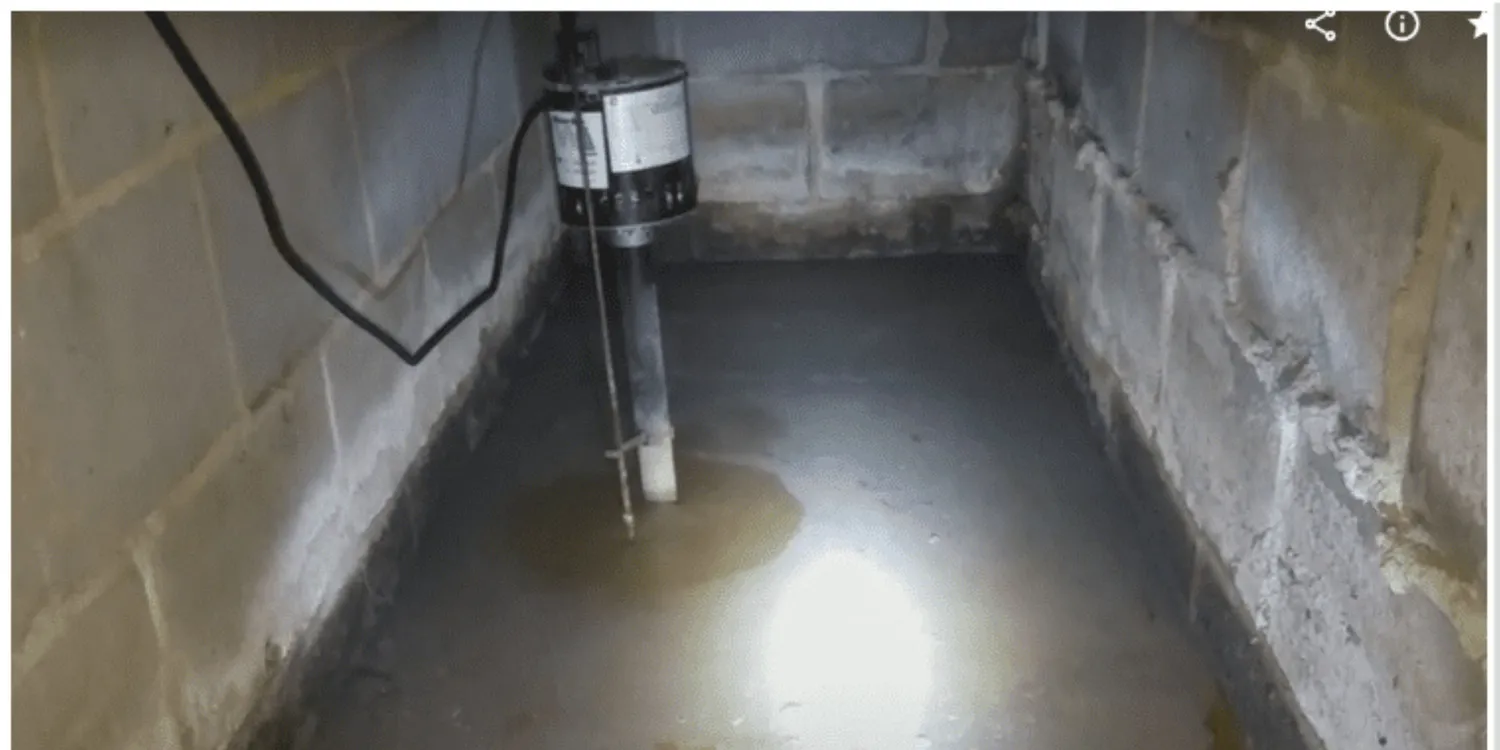
Water can sneak into basements quietly. Sometimes it is just a little dampness. Other times, it shows up as puddles after heavy rain. Over time, even small amounts of water can damage floors, walls, and stored items. Knowing when to act is important. A basement sump pump installation can help guide water away and protect your home from damage.
Look for Water Trouble Early
The first sign that a basement might need help is water appearing in unusual places. Check for damp spots on walls or floors. A musty smell is also a clue. Even small leaks are warning signs. Catching these early can prevent bigger problems. Watching for these signs helps decide if a basement sump pump installation is a good step.
Notice Frequent Flooding or Puddles
If water collects in the basement during rain or snow melting, that is a strong indicator of drainage problems. Standing water can damage the foundation, promote mold, and ruin stored belongings. Homes with repeated water problems often benefit from a sump pump, which moves water out of the basement safely and keeps the area dry.
Check Soil and Yard Slopes
How water moves around your home depends on the soil and yard slopes. Homes with low areas or clay-heavy soil can have more water near the foundation. If water tends to pool around the basement, it may seep inside. A sump pump installation helps handle these tricky situations by collecting water where it gathers and pumping it away before it causes damage.
The Role of Sump Pump Maintenance
Installing a sump pump is just the start. Regular sump pump maintenance keeps it working properly. Simple steps like cleaning the pump, checking the float, and testing the discharge line help avoid failures during storms. Without maintenance, a sump pump might not work when needed, letting water damage the basement unexpectedly.
Signs in Older Homes
Older houses often have more water problems in basements. Foundations can settle, drainage systems can get old, and waterproofing may fail. If the basement has experienced leaks or damp spots in the past, a new sump pump can give extra protection. Planning a proper basement sump pump installation for older homes makes water management more effective and reduces future damage.
Combining Drainage Solutions
A sump pump works best when paired with other water management solutions. French drains, proper yard grading, and sealed basement walls can help. Together, these systems move water safely away and prevent standing water. Combining solutions keeps the basement dry and the space usable for storage, laundry, or living areas.
Watching for Power Outages
Sump pumps rely on electricity. Power outages during storms can make them stop working. Some systems include battery backups or water-powered pumps to keep moving water even without electricity. This planning is an important part of a well-thought-out sump pump installation.
The Cost vs. Benefits
Installing a sump pump may feel like a big expense. However, it can save money in the long run. Water damage repairs, mold cleanup, and ruined belongings are often much more costly than installing a pump. A properly installed system, combined with sump pump maintenance, keeps the basement dry and reduces long-term risks, making the investment worthwhile.
Extra Signs You Might Need a Sump Pump
Some other signs that a basement needs help include cracks in walls or floors, water stains, or wet corners. Even if the water hasn’t caused major damage yet, these signs show that drainage is not working well. Adding a sump pump before serious flooding occurs can protect the property and give peace of mind.
Protect Your Basement Today
Water can quietly cause serious problems if not managed. Ignoring puddles, damp walls, or soil that directs water toward the home makes damage more likely. A basement sump pump installation helps move water safely out of the basement. Planning carefully and acting early protects the foundation, floors, and belongings. With the right system, basements stay dry, safe, and ready to use for years to come.