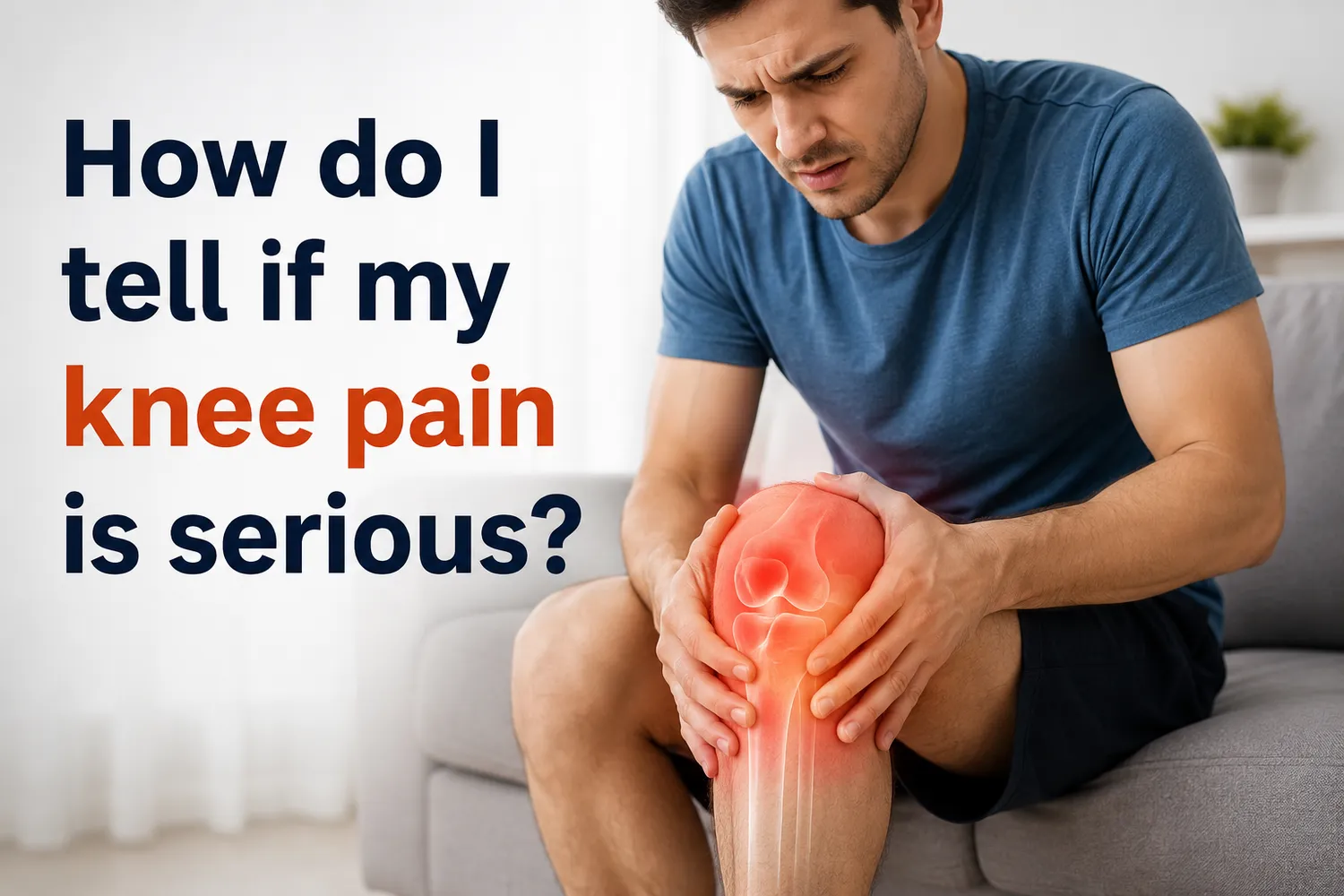
Knee pain is one of the most common orthopedic complaints, affecting people of all ages. While occasional discomfort after physical activity or a minor injury often improves with rest, persistent or severe knee pain may indicate a more serious underlying condition. Knowing when to seek medical attention can help prevent long-term joint damage and improve treatment outcomes.
If your symptoms continue to worsen or interfere with daily life, consulting a Knee Pain Specialist in Jaipur is the best way to identify the cause and receive appropriate treatment.
When Is Knee Pain Considered Serious?
Not all knee pain requires immediate medical attention, but certain symptoms should never be ignored. Serious knee pain is usually associated with structural damage, inflammation, infection, or advanced arthritis.
You should consult a Knee Pain Specialist in Jaipur if your pain:
- Lasts longer than a few days without improvement
- Prevents you from walking or bearing weight
- Causes severe swelling
- Limits your knee movement
- Keeps returning despite home treatment
- Becomes progressively worse over time
Early diagnosis can often prevent complications and reduce the need for extensive treatment.
Common Causes of Serious Knee Pain
Several medical conditions can lead to significant knee pain.
Osteoarthritis
Osteoarthritis is the most common cause of chronic knee pain. It occurs when the protective cartilage gradually wears away, leading to pain, stiffness, and reduced mobility.
Rheumatoid Arthritis
This autoimmune condition causes inflammation in the knee joint and can lead to permanent joint damage if left untreated.
Ligament Injuries
Sports injuries can damage important knee ligaments such as the ACL, PCL, MCL, or LCL, causing instability and pain.
Meniscus Tear
A torn meniscus is common after twisting injuries and often causes pain, swelling, and difficulty bending the knee.
Tendon Injuries
Inflamed or torn tendons may result from overuse, repetitive activities, or sudden trauma.
Fractures
A broken kneecap or fractures around the knee require immediate orthopedic evaluation.
Infection
Although uncommon, joint infections are serious medical emergencies that need prompt treatment.
Warning Signs You Should Never Ignore
Certain symptoms indicate that your knee pain may require urgent medical attention.
Severe Swelling
Rapid swelling after an injury may indicate ligament damage, internal bleeding, or a fracture.
Difficulty Walking
If you cannot put weight on your leg comfortably, professional evaluation is necessary.
Locking or Catching of the Knee
A knee that locks during movement may suggest a meniscus injury or loose cartilage.
Knee Instability
Feeling like your knee is "giving way" often indicates ligament damage.
Redness and Fever
Warmth, redness, swelling, and fever may signal an infection and should be treated immediately.
Persistent Night Pain
Pain that continues even while resting or sleeping may require detailed investigation.
If you experience any of these symptoms, schedule an appointment with a Knee Pain Specialist in Jaipur as soon as possible.
When Does Knee Pain Need Surgery?
Not every patient with knee pain requires surgery. Most conditions can initially be managed with:
- Medications
- Physiotherapy
- Weight management
- Lifestyle modifications
- Knee braces
- Injections
However, surgery may become necessary when conservative treatments no longer provide relief.
For patients with advanced arthritis or severe joint damage, a Knee replacement procedure may be recommended to restore function and eliminate chronic pain.
What Happens During Knee Replacement Surgery?
When arthritis has severely damaged the knee joint, surgeons remove the worn-out cartilage and damaged bone before placing artificial implants that recreate the natural movement of the knee.
The typical Knee replacement duration is approximately 60 to 90 minutes, although preparation and recovery add additional time during the hospital stay.
Modern surgical techniques have made knee replacement safer, more accurate, and associated with faster recovery.
How to Reduce Knee Pain at Home
If your symptoms are mild, these self-care measures may help:
Rest
Avoid activities that increase pain.
Ice Therapy
Apply ice packs for 15–20 minutes several times daily.
Compression
Wear a knee support if recommended by your doctor.
Elevation
Raise your leg to reduce swelling.
Gentle Exercise
Low-impact activities such as walking and swimming help strengthen the muscles supporting the knee.
Maintain a Healthy Weight
Reducing body weight decreases pressure on the knee joints.
If pain persists despite these measures, consult a Knee Pain Specialist in Jaipur for a comprehensive evaluation.
Diagnosis of Serious Knee Pain
Your orthopedic specialist may recommend several diagnostic tests to determine the exact cause of your symptoms.
These may include:
- Physical examination
- X-rays
- MRI scans
- CT scans
- Blood tests
- Joint fluid analysis (if infection is suspected)
An accurate diagnosis helps determine the most effective treatment plan.
Choosing the Right Knee Replacement Hospital
If surgery becomes necessary, selecting an experienced Knee replacement hospital is essential for achieving the best possible outcome.
A quality orthopedic hospital offers:
- Experienced joint replacement surgeons
- Modern operation theatres
- Advanced diagnostic facilities
- Comprehensive physiotherapy services
- Personalized rehabilitation programs
- High standards of patient care
Choosing the right hospital contributes significantly to a successful recovery.
Tips to Prevent Serious Knee Problems
Although not every knee condition can be prevented, these habits help maintain healthy joints:
- Exercise regularly
- Strengthen thigh and leg muscles
- Maintain a healthy body weight
- Wear proper footwear
- Avoid sudden twisting movements
- Warm up before sports
- Treat injuries promptly
- Do not ignore persistent knee pain
Regular orthopedic check-ups can also detect problems before they become severe.
Frequently Asked Questions
When should I worry about knee pain?
You should seek medical attention if your pain lasts several days, worsens over time, causes swelling, prevents walking, or is accompanied by fever or redness.
Can knee pain go away without surgery?
Yes. Many cases improve with medications, physiotherapy, weight loss, and lifestyle changes. Surgery is generally considered only when conservative treatments fail.
Is knee replacement always necessary for arthritis?
No. Many patients manage arthritis successfully for years without surgery. Knee replacement is usually recommended only for advanced joint damage.
How long does recovery take after knee replacement?
Most patients return to routine daily activities within 6 to 12 weeks, while full recovery may take several months.
Can I continue exercising with knee pain?
Low-impact exercises may help, but you should avoid activities that worsen your symptoms until evaluated by an orthopedic specialist.
Conclusion
Knee pain is not always a cause for concern, but persistent pain, swelling, instability, or difficulty walking should never be ignored. Early diagnosis allows many knee conditions to be treated successfully before they progress to severe joint damage.
If you are experiencing ongoing knee discomfort, consulting a Knee Pain Specialist in Jaipur can help identify the underlying cause and provide the most effective treatment plan. Whether your condition requires medication, physiotherapy, minimally invasive treatment, or surgery, timely care can help you regain mobility and enjoy a pain-free lifestyle.
About Dr. Rohan Jain
Dr. Rohan Jain is a distinguished and highly experienced joint replacement surgeon in Jaipur, renowned for his exceptional expertise and more than a decade of clinical experience. He has earned a strong reputation for delivering outstanding outcomes in joint and knee replacement surgeries and is regarded as one of the leading orthopedic specialists in the region.
Dr. Jain specializes in advanced arthroplasty (joint replacement surgery) for the knees, hips, shoulders, elbows, and small joints. His expertise also includes trauma management and arthroscopic procedures of the knee, shoulder, and hip. By combining advanced surgical techniques with compassionate, patient-centered care, Dr. Jain is committed to helping patients regain mobility, reduce pain, and improve their overall quality of life.