Surgery can feel like crossing a finish line. Whether it’s a knee replacement, heart procedure, or spinal repair, you’ve tackled a major hurdle. But let’s be real—the road to feeling like yourself again? That starts after the operating room. And here’s the secret no one tells you: physiotherapy isn’t just a part of recovery—it’s the game-changer that helps you reclaim your life.
Let’s break down why skipping physio after surgery is like baking a cake and forgetting the icing. It works, but it’s not nearly as sweet.
1. “Why Am I So Stiff?” – Restoring Movement (Without the Ouch)
After surgery, your body’s been through a lot. Maybe your knee feels like a rusty hinge, or your shoulder won’t lift past your ear. That’s where physio swoops in.
Your physiotherapist isn’t just going to hand you a generic “exercise sheet.” They’ll craft a plan that’s yours. Think:
- Gentle stretches to wake up sleepy muscles (no, you’re not imagining that stiffness).
- Strengthening moves that protect healing areas (like rebuilding quads after a knee replacement without stressing the joint).
- Tips to tweak daily habits (like how to get out of bed without feeling like a turtle stuck on its shell).
It’s not about pushing through pain—it’s about smart, safe progress.
2. Pain and Swelling: The Uninvited Guests
Pain after surgery is normal, but letting it crash on your couch for weeks? Nope. Physiotherapy helps show it the door.
Your physio might use:
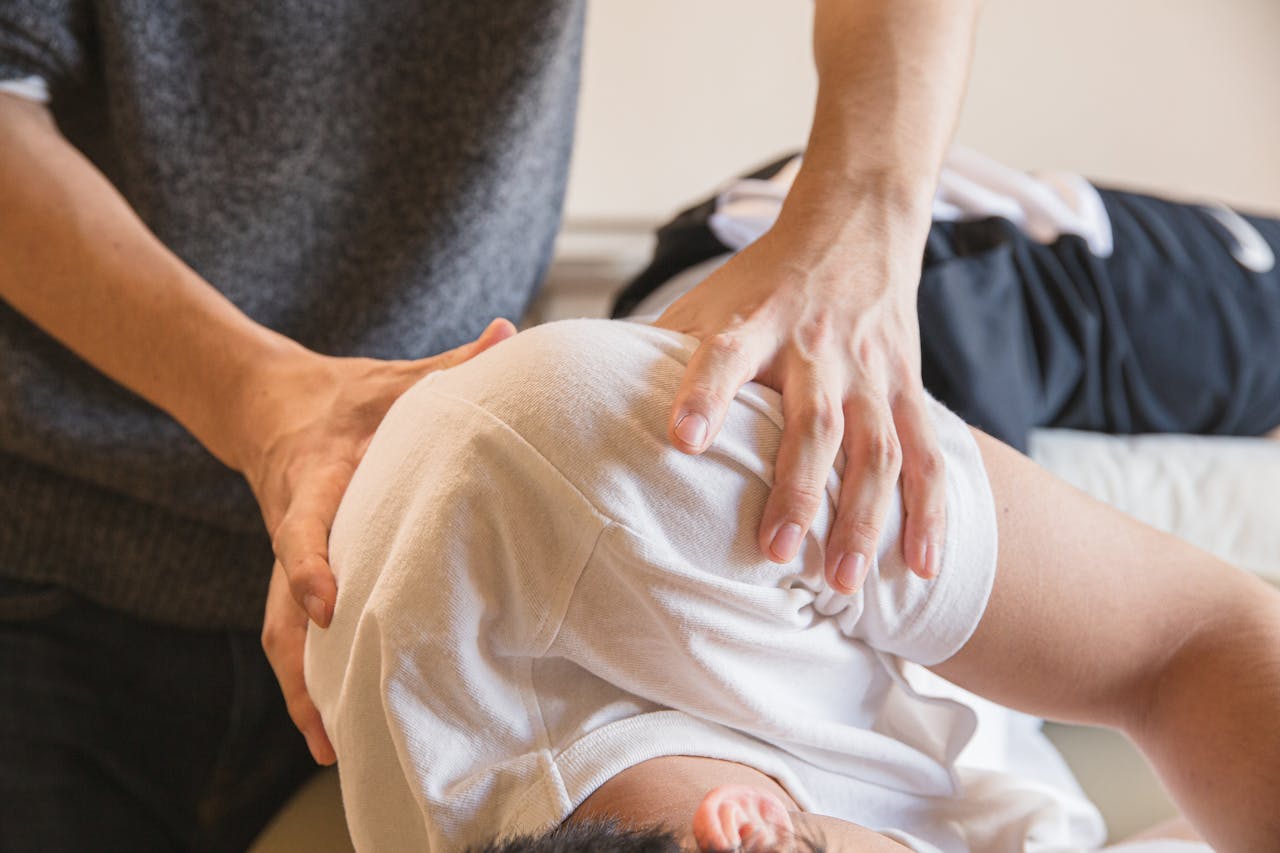
- Hands-on magic: Gentle massages or joint mobilizations to ease tension (yes, it’s as satisfying as it sounds).
- Ice, TENS machines, or heat to calm angry inflammation.
- Movement hacks: Teaching you how to sit, stand, or walk in ways that don’t aggravate your body.
The goal? Less wincing, more living.
3. Dodging the “What Ifs”
Ever heard horror stories about post-surgery blood clots or pneumonia? Physio is your shield.
For example:
- Breathing exercises after chest surgery to keep lungs clear (because no one wants a cough to feel like a grenade went off).
- Walking ASAP (even if it’s just shuffling around the kitchen) to boost circulation and mood.
- Stretching routines to stop scar tissue from turning into “internal duct tape” that limits movement.
It’s all about staying ahead of trouble.
4. Healing Faster (Yes, Really)
Physio isn’t just stretching—it’s science. Techniques like ultrasound therapy or laser treatments can kickstart tissue repair. Combine that with targeted exercises, and you might shave weeks off your recovery.
Take rotator cuff surgery: Patients who stick with physio often ditch the sling and regain shoulder motion way sooner than those who “wait it out.”
5. “Will I Ever Feel Normal Again?” – The Confidence Boost
Surgery can mess with your head. Maybe you’re scared to bend, lift, or even take a deep breath. Physiotherapists get it. They’re part coach, part cheerleader, helping you:
- Set tiny, wins (like climbing a stair or carrying groceries).
- Trust your body again (no, you won’t “break” the surgical site).
- Adapt movements for real life (because nobody moves like a robot in daily life).
It’s not just physical—it’s emotional rehab too.
Who Really Needs Post-Surgery Physio?
Short answer: Everyone. But it’s especially life-changing for:
- Joint replacements (hips, knees, shoulders – you’re basically getting a hardware upgrade).
- Spinal surgeries (because your back is the MVP of movement).
- Cancer recoveries (like regaining arm mobility after a mastectomy).
- Heart surgeries (rebuilding stamina without overtaxing your ticker).
What Happens in a Physio Session? (Spoiler: No Judgement)
- Chat first: Your physio will ask how you’re feeling – the good, the bad, the “why does my pinky toe hurt?”
- Hands-on check: They’ll test your movement, strength, and spot any sneaky issues.
- Plan of action: A mix of in-clinic therapy (think exercises, maybe some cool gadgets) and simple home moves (no gym required).
- Progress parties: Celebrate small wins, like bending an extra inch or ditching the cane.
The Big Truth: Surgery Fixes, Physio Transforms
Surgery addresses the problem. Physiotherapy? It helps you thrive after. Skipping it is like buying a Ferrari and never taking it out of the garage.
If you’re facing surgery, talk to a physiotherapist beforehand. They’ll prep you (think: pre-hab exercises) and map out your comeback story.