If you’ve ever lost power during a storm or set up a workstation in the middle of nowhere, you know that access to electricity isn’t always guaranteed. That’s where a portable generator comes in. These mobile power solutions have long been the go-to for job sites, tailgates, emergency prep, and outdoor living. They offer dependable wattage, often run on gasoline or propane, and are capable of powering everything from tools to appliances.
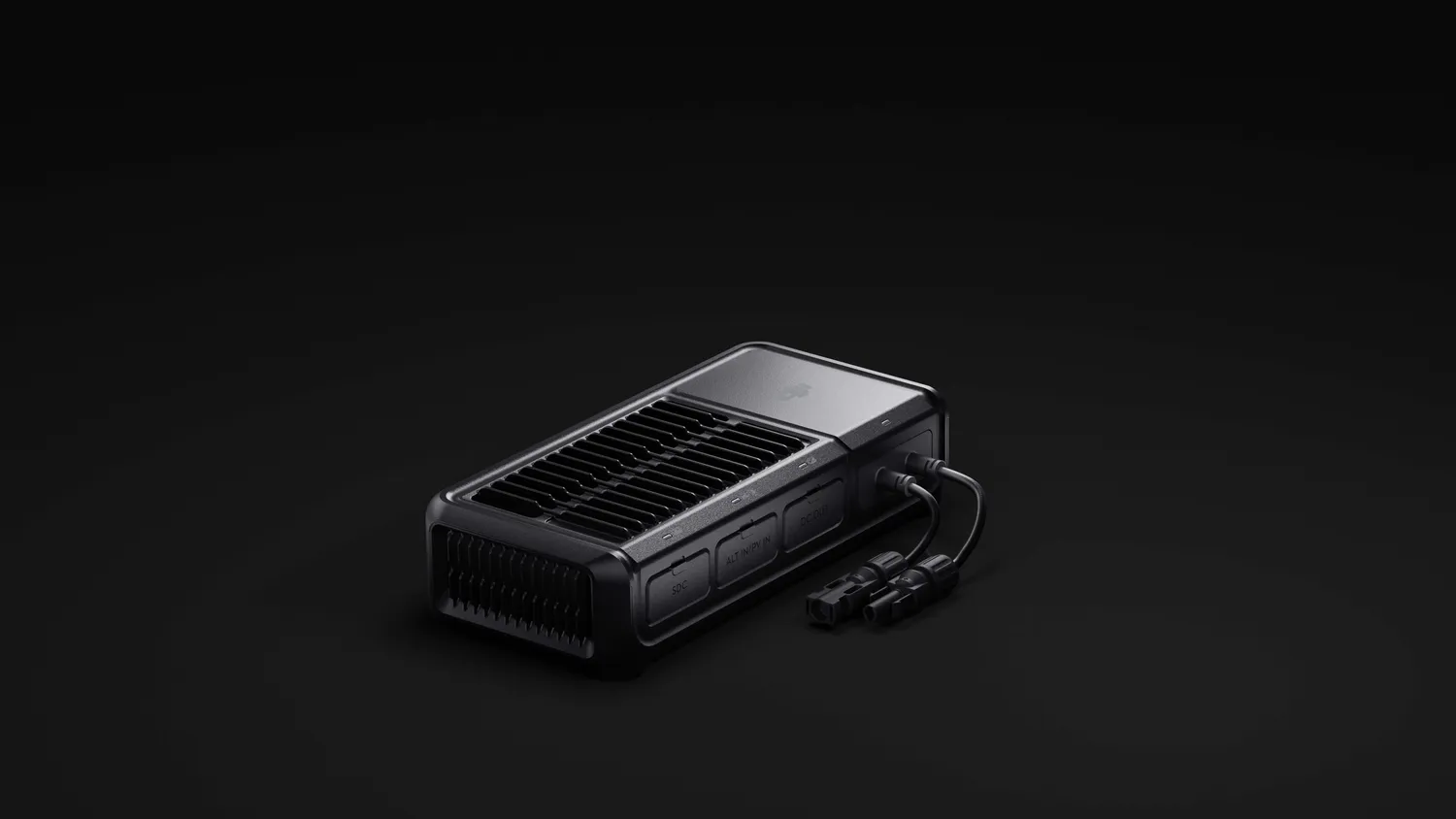
But not all power needs are the same—and the old-school, gas-powered generator isn’t your only option anymore. In recent years, battery-based alternatives and solar-powered options have started to carve out their own space in the energy conversation. Why? Because they’re quieter, cleaner, and often better suited for today’s tech-driven lifestyle.
A Look at the Options
Let’s break it down:
- A portable generator delivers solid, on-demand power using internal combustion. It’s powerful and efficient, but it also comes with fuel costs, emissions, and noise.
- A solar generator collects energy from the sun via panels, stores it in a battery, and releases it on demand. It’s eco-friendly and quiet but dependent on weather and sunlight availability.
- A portable power station stores electricity in a rechargeable battery and is ideal for indoor use, sensitive electronics, and situations where silent operation is a plus.
Why the Shift Toward Battery and Solar?
For many people, the appeal of a fuel-free solution is clear. Battery-powered portable power stations and solar generators require less maintenance, make zero noise, and don’t release fumes—making them a better fit for indoor use, camping, RV life, and backup power during outages.
These newer systems also offer smart integrations. Many include app-based monitoring, real-time usage tracking, and multiple output ports, including USB-C, AC, and DC. They’re designed for people who rely on multiple devices—from laptops and routers to mini-fridges and medical equipment.
Where Does Each Shine?
- Use a portable generator when you need high wattage, such as for power tools, large appliances, or heavy-duty equipment at a job site.
- Choose a solar generator for sustainable energy during extended outdoor stays—perfect for off-grid cabins, van life, or eco-conscious users.
- Rely on a portable power station for clean, quiet power that can charge your electronics during emergencies or provide backup energy in an apartment.
Key Considerations Before Buying
- Runtime: How long do you need the power to last?
- Noise: Will the generator be used in a quiet neighborhood or indoors?
- Weight and Size: Are you storing it at home or transporting it often?
- Charging Options: Can it be charged via wall outlet, solar panel, or car adapter?
- Output Ports: Does it support your specific devices?
Final Thoughts
While the traditional portable generator still has its place, many users are now turning to the versatility of a portable power station for everyday use. It’s cleaner, safer for indoor environments, and easier to manage without fuel storage or engine upkeep. When combined with a solar generator, you gain the added benefit of sustainable energy for long-term or emergency use.
The right solution comes down to your lifestyle, power requirements, and where you plan to use it. But one thing is clear: having a reliable source of energy—especially one that fits your needs—gives you freedom and peace of mind when the grid can’t.