In a world where communication is increasingly mobile, clear, and content-driven, the role of the wireless microphone has moved far beyond stage performances and studio sets. Whether you're recording a podcast in your home office, filming a YouTube tutorial in your backyard, or conducting interviews on the move, one thing is certain—corded microphones no longer cut it.
The transition to wireless mics, especially bluetooth-enabled microphones, is more than just a tech trend. It's about freedom, mobility, and meeting the expectations of a digital-first audience. Let's break down why going wireless is no longer a luxury—it's a necessity.
Freedom of Movement Without Sacrificing Quality
The biggest limitation with traditional microphones has always been the cable. It tethers you to a spot, restricts your body language, and forces you to adapt to the gear instead of the other way around. Enter the wireless mic—a game changer for anyone who needs to move freely while delivering quality sound.
From fitness instructors shooting live classes to event speakers navigating a large venue, wireless microphones allow full range of motion without compromising audio quality. And with today’s advanced RF and Bluetooth technology, signal reliability has caught up with wired standards.
Clearer Sound in More Environments
One of the biggest misconceptions about wireless microphones is that they sacrifice audio clarity. That might’ve been true five years ago, but today’s Bluetooth microphones are built with advanced noise-canceling features, automatic gain control, and high-sensitivity capsules that pick up voice accurately while minimizing background noise.
Whether you're recording indoors or outdoors, in a crowded café or a quiet office, you’re likely to get crisp, broadcast-ready sound that requires little post-editing. This matters, especially for creators or professionals who need to deliver content fast without spending hours fixing audio issues.
Plug-and-Play Simplicity
If you’ve ever had to untangle XLR cables or navigate complex mixer settings just to record a simple video, you’ll appreciate the plug-and-play nature of most modern wireless mic systems. Many models pair instantly with smartphones, tablets, DSLRs, or even laptops.
You don’t need to be a sound engineer anymore. With compact receivers and intuitive apps, even first-time users can capture studio-level sound in a matter of seconds. For educators hosting webinars, creators going live on Instagram, or marketers producing in-house video, this ease of use is critical.
Lightweight, Compact, and Travel-Friendly
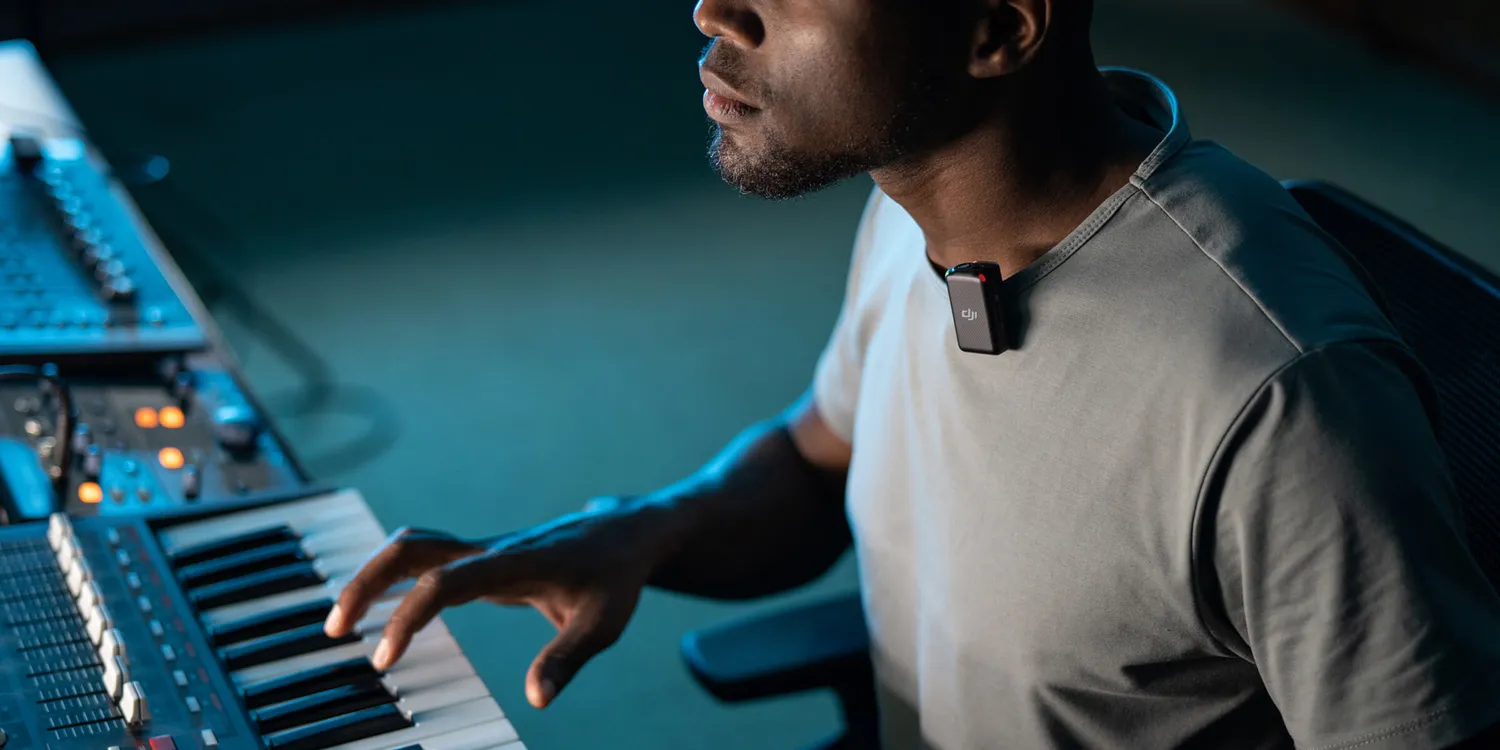
Another practical edge of wireless microphones lies in their portability. The latest designs are compact enough to fit in your pocket and light enough to wear all day. Lavalier-style wireless lapel mics clip discreetly onto your clothing, making them ideal for interviews, presentations, or travel vlogging.
Plus, many kits now come with charging cases—much like wireless earbuds—so you never have to worry about running out of power mid-recording. These small design upgrades make a big difference for mobile professionals and content creators working from varied locations.
Versatility Across Platforms
From TikTok to Teams, the same bluetooth microphone can often be used across platforms and devices. Switching from recording a podcast on your laptop to shooting a video on your phone? No problem. Modern wireless mics offer seamless compatibility through USB-C, Lightning, and TRRS connectors, or wireless pairing via Bluetooth.
This adaptability makes them a smart investment not just for creators, but for business teams, educators, and even hobbyists dabbling in audio projects.
Final Thoughts: A Sound Decision for the Future
The shift toward wireless audio solutions isn’t just about convenience—it’s about meeting the demands of how we live and work today. Whether you’re a vlogger, public speaker, content creator, or remote team leader, upgrading to a wireless microphone means clearer audio, greater mobility, and less technical hassle.
Technology should empower your voice—not limit it. And in the age of digital storytelling, your sound deserves to be heard, loud and clear.