Reliable access to electricity has become more important than ever. Whether it’s for outdoor travel, home emergencies, remote work, or weekend adventures, having a backup power source brings peace of mind. For years, the portable generator was the default choice. It delivered raw power when needed, especially in areas with unreliable grid access. But in recent times, a new solution has gained momentum — the modern power station. It offers a cleaner, safer, and more convenient approach to portable energy, and many households are now switching to it.
Understanding the Power Station Advantage
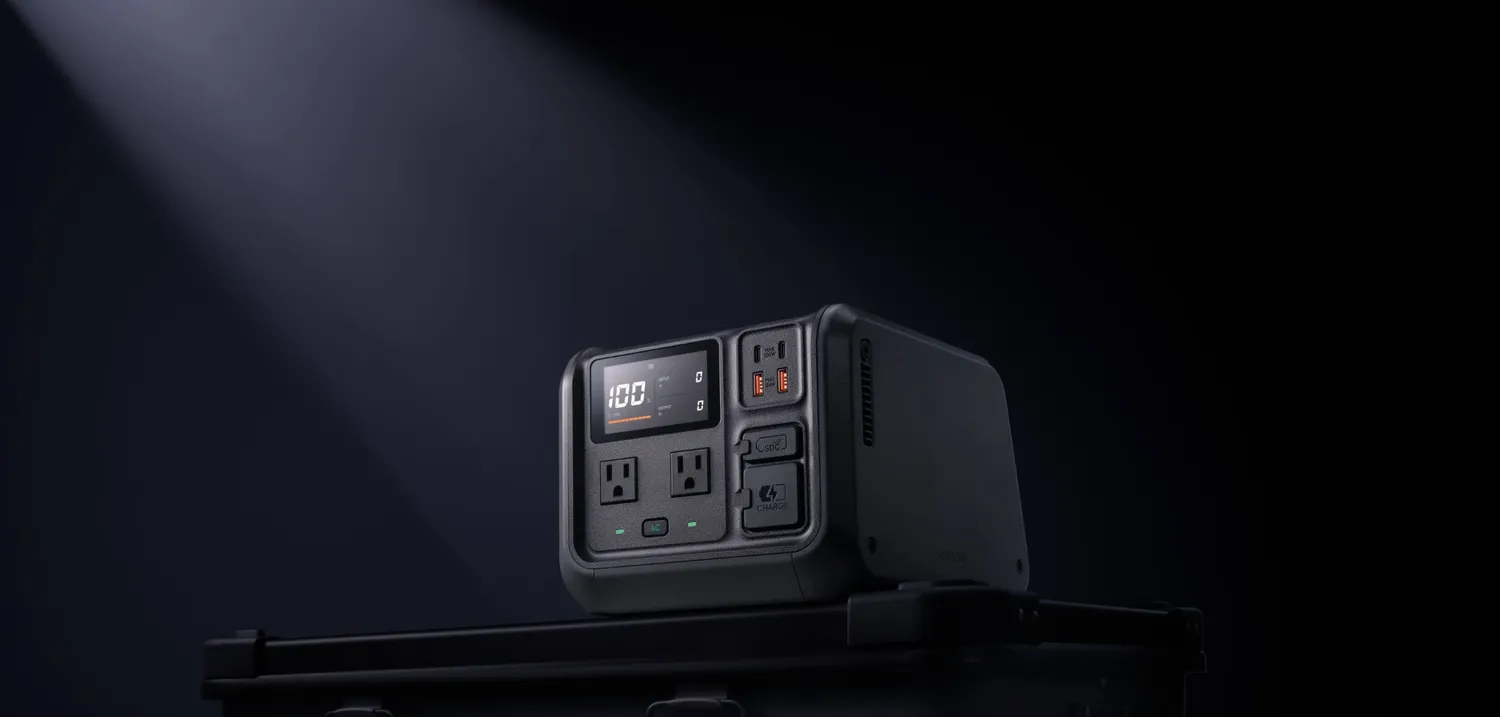
A power station is essentially a high-capacity rechargeable battery system equipped with AC outlets, USB ports, fast charging inputs, and smart management technology. Unlike traditional generators, it doesn’t rely on fuel. There’s no noise, no fumes, and no maintenance-heavy components. You simply charge it, carry it, and plug in your devices whenever needed.
This simplicity has made power stations a reliable companion for creators, remote workers, families, and travelers. Whether someone is charging a laptop in the mountains or keeping communication devices running during a blackout, the power station provides a stable power source without the complications of gasoline or mechanical upkeep.
Where the Portable Generator Still Holds Ground
Portable generators continue to play a role, especially for energy-intensive appliances and long-duration power needs. They are strong performers during extended outages, powering refrigerators, power tools, pumps, and heating systems. Their output capacity allows them to run devices continuously as long as fuel is available.
However, generators also come with notable drawbacks: noise, fumes, fuel storage, and regular maintenance. They cannot be used indoors and require safe outdoor handling. For many users — particularly those living in compact spaces — these concerns limit how often the generator is used.
Why Many Users Now Prefer Power Stations
The rise of the power station is tied to lifestyle changes. More people travel, work remotely, and rely on electronics daily. This shift demands a portable energy source that is quiet, compact, and safe for indoor use. A power station checks all these boxes.
1. Zero Noise and Zero Emissions
One of the biggest frustrations with portable generators is their loud operation. Power stations solve this instantly. They run silently, making them suitable for nighttime use, shared spaces, camping, and indoor environments.
2. Cleaner and Safer Power
Power stations do not produce carbon monoxide. This means they can be used inside apartments, tents, vehicles, or offices — something a generator simply cannot offer.
3. Fast-Charging and Multiple Output Options
Modern users rely on a mix of devices: phones, drones, laptops, cameras, and medical equipment. Power stations come equipped with fast USB-C ports, AC outlets, and DC ports, supporting all of these without adapters or extra accessories.
4. Solar Charging Capability
This is one of the biggest reasons power stations are becoming popular. With solar panel compatibility, users can generate free energy outdoors or during emergencies without depending on fuel supplies. This independence makes power stations ideal for long trips or off-grid living.
When to Choose a Portable Generator Instead
There are still scenarios where a portable generator is the practical choice. If someone needs to run power tools on a construction site or power large appliances during multi-day outages, fuel-powered generators provide sustained output. The key is understanding usage patterns: high-load, long-duration needs lean toward generators; everyday reliability and mobility favor power stations.
Final Thoughts
The comparison between a power station and a portable generator isn’t about which is better overall — it’s about choosing the solution that fits modern living. As more people prioritize convenience, safety, and portability, the power station has become the go-to option for everyday use. Meanwhile, generators still serve users who require continuous high-power output.
Both tools have their role, but for most households and travelers, the power station offers a level of comfort and flexibility that aligns with today’s lifestyle. Quiet, clean, and easy to use, it represents a new generation of portable energy.