Capturing breathtaking, professional-quality videos is a goal for many content creators, from vloggers to filmmakers. Shaky footage can ruin even the most compelling story, but a camera gimbal can be your secret weapon for achieving smooth, polished shots. In this guide, we’ll dive into what makes gimbals indispensable, how to choose the right one, and tips for using them effectively to elevate your videography. Let’s get started!
Understanding the Power of a Camera Gimbal
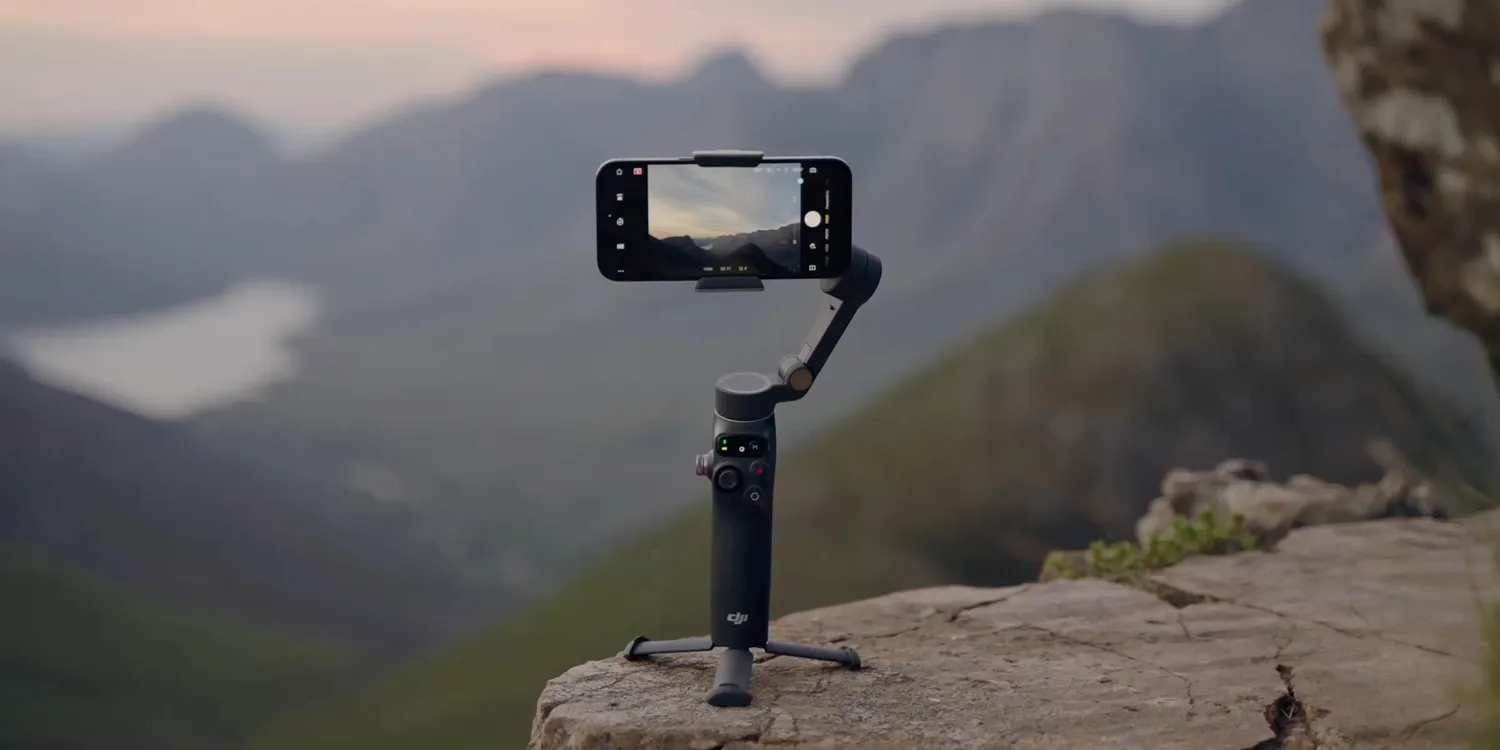
A gimbal is a sophisticated stabilization tool that keeps your camera steady, no matter how much you move. Unlike a tripod, which is great for static shots, a gimbal uses three-axis stabilization (pitch, yaw, and roll) to counteract shakes and jolts in real time. Whether you’re filming a high-energy action scene or a serene nature shot, a gimbal camera setup ensures your footage looks fluid and professional.
Gimbals rely on motors and sensors to detect and correct unwanted movements, making them ideal for dynamic shooting scenarios. From walking through a crowded festival to capturing a smooth pan across a mountain range, a gimbal gives you the freedom to move while keeping your shots steady.
Why Every Videographer Needs a Gimbal
If you’re wondering whether a camera gimbal is worth the investment, consider these game-changing benefits:
- Cinematic Quality: Gimbals eliminate shaky footage, delivering smooth, professional-grade videos that captivate viewers.
- Versatility Across Devices: Whether you’re using a DSLR, mirrorless camera, or smartphone, there’s a gimbal designed to work with your gear.
- Creative Flexibility: Gimbals allow you to experiment with dynamic angles, tracking shots, or creative transitions without worrying about stability.
- Compact and Portable: Many modern gimbals are lightweight and foldable, making them perfect for travel or on-the-go shoots.
By incorporating a gimbal into your workflow, you can focus on storytelling and creativity, knowing your footage will look polished and engaging.
How to Choose the Perfect Gimbal
With so many options on the market, selecting the right gimbal can feel overwhelming. Here’s what to consider to find the best fit for your needs:
1. Camera Compatibility
Check the gimbal’s payload capacity to ensure it can handle your camera’s weight and size. A gimbal built for smartphones won’t support a heavy DSLR, so always verify compatibility.
2. Battery Life
For long shoots, choose a gimbal with at least 8–12 hours of battery life. This ensures you won’t be interrupted during critical moments, like filming an event or travel vlog.
3. Stabilization Modes
Look for gimbals with multiple modes, such as pan-follow, lock, or full-follow. These modes let you customize how the gimbal responds to your movements, giving you more creative control.
4. Portability
If you’re constantly on the move, opt for a compact, lightweight gimbal that’s easy to pack. For studio or controlled environments, a heavier, more robust model might be better.
5. Budget-Friendly Options
Gimbals range from budget-friendly models (around $100) to professional-grade options ($500+). Determine your needs and budget to find the right balance.
Pro Tips for Using Your Gimbal
To get the most out of your camera gimbal, follow these practical tips:
- Balance Before You Begin: Always balance your camera on the gimbal before turning it on. Proper balancing reduces motor strain and improves stabilization.
- Move with Intention: Walk smoothly with a slight bend in your knees to minimize jolts. Practice deliberate movements to create fluid, natural-looking shots.
- Explore Creative Modes: Experiment with your gimbal’s modes, like time-lapse or motion-lapse, to add variety to your footage.
- Invest in Accessories: Pair your gimbal with a tripod for static shots or a slider for multi-dimensional movement to enhance your shots.
- Maintain Your Gear: Regularly check for firmware updates to keep your gimbal performing at its best, and clean it to avoid dust buildup.
Top Gimbals to Kickstart Your Journey
Here are a few highly rated gimbals to consider:
- DJI Ronin-SC: Lightweight and versatile, ideal for mirrorless cameras with excellent app integration.
- Zhiyun Crane-M3: Compact and powerful, perfect for smaller cameras and smartphones.
- FeiyuTech AK2000S: A budget-friendly option with strong stabilization for mid-sized cameras.
- DJI Osmo Mobile 6: A top choice for smartphone videographers, offering intuitive controls and portability.
How Gimbals Transform Your Content
In a world where video content reigns supreme, standing out requires visuals that grab attention. A gimbal camera setup ensures your videos look professional, keeping viewers engaged from start to finish. Whether you’re shooting a travel vlog, a wedding highlight reel, or a branded promotional video, a gimbal helps you tell your story with clarity and impact.
Beyond technical advantages, gimbals inspire creativity. Imagine capturing a seamless tracking shot through a bustling city or a dramatic low-angle shot of an athlete in motion. These techniques make your content more immersive and memorable, helping you connect with your audience on a deeper level.
Wrapping Up
A camera gimbal is an essential tool for anyone serious about videography. By delivering smooth, professional footage, it allows you to focus on what matters most: telling a compelling story. Whether you’re just starting out or looking to level up your skills, investing in a quality gimbal will transform your videos and open new creative possibilities. So, grab a gimbal, hit record, and start creating footage that leaves a lasting impression!