It’s easy to think content creation is all about specs: higher resolution cameras, more editing software, new lighting kits. But spend time watching videos that actually pull you in, and you’ll notice something else entirely. What really matters isn’t the flashiest gear, but how naturally the creator connects with you — through steady visuals, clear voice, and the freedom to move without breaking the moment.
At the heart of that effortless feel? Tools that might look simple but make a massive difference: a wireless microphone, a gimbal, and a wireless lapel microphone. They don’t just make your content look and sound better; they let you focus on storytelling instead of fighting background noise, camera shake, or tangled cables. Here’s why these three essentials matter more than you might think — and how they help turn real moments into watchable, shareable stories.
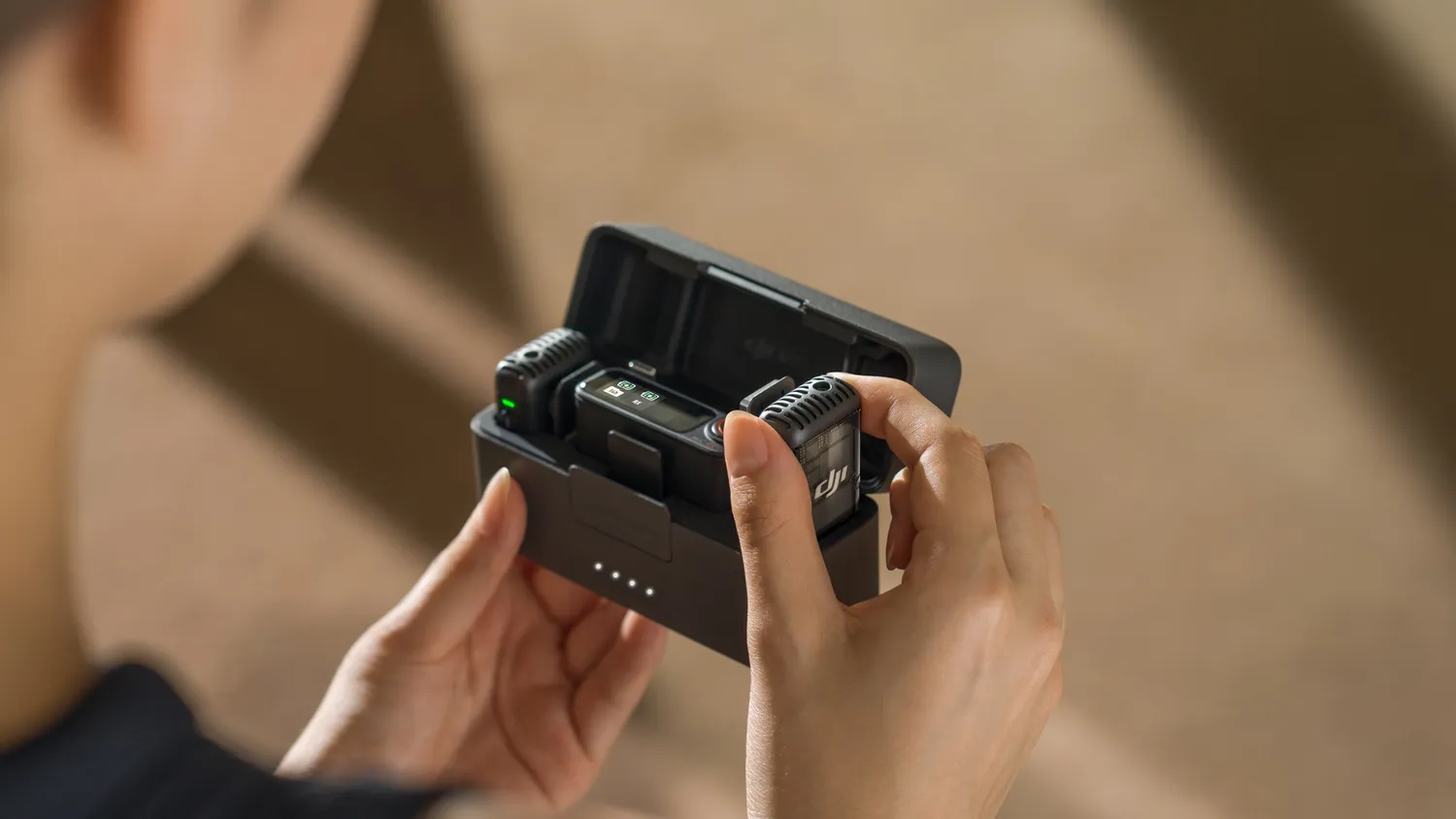
Wireless Microphone: Your Voice, Clearly Anywhere
Whether you’re vlogging in a crowded market, shooting a tutorial, or going live from an event, your voice carries your message. And yet, too often, creators rely on built-in camera or phone mics — only to find their words lost in traffic, wind, or echo. That’s where a wireless microphone quietly steps in.
With a wireless mic, you wear a small transmitter (often clipped to your belt or hidden in a pocket) that sends your voice directly to the camera or recording device. No cable limits, no worrying about distance, and no awkwardly leaning toward the camera to be heard.
The result isn’t just technically “better” sound. It’s audio that feels closer, warmer, and more personal. Viewers feel like you’re talking to them, even when you’re moving, turning away, or stepping aside to point something out. And because it’s wireless, you stay natural — gesturing, walking, even laughing mid-sentence — without a cable reminding you where to stop.
Gimbal: Smooth Moves, Watchable Stories
If you’ve ever filmed while walking and ended up with footage that looks like an earthquake, you already know why a gimbal is a game changer. This handheld stabilizer uses tiny motors to balance your phone or camera, smoothing out each step, turn, and pan.
But the real magic of a gimbal isn’t only about steady video. It’s about creative freedom: the confidence to try new shots. Walk around your subject, glide down a path, follow a pet or child running, or do a gentle reveal around a corner. With a gimbal, those shots don’t look accidental; they look intentional, almost cinematic.
For solo creators, vloggers, or small teams, it also means fewer retakes. Instead of worrying about shaky hands or uneven ground, you can focus on framing, storytelling, and capturing genuine reactions as they happen.
Wireless Lapel Microphone: Sound That Stays With You
Imagine you’re interviewing someone outdoors or filming yourself while showing a product. You don’t want to hold a mic in your hand, and you definitely don’t want to rely on distant camera audio. That’s where a wireless lapel microphone (often called a wireless lavalier mic) quietly shines.
It clips onto your shirt near your collar, picking up your voice naturally as you speak. Because it’s wireless, you get the same freedom to move, turn, and gesture as with a larger wireless mic setup — but with even more subtlety. Viewers barely see it; they just hear you, clearly and consistently.
For creators who do a lot of walk-and-talk videos, live streams, or multi-speaker interviews, it’s almost indispensable. It helps keep audio quality consistent, even if you step away from the camera or if someone else joins mid-scene.
Tools That Get Out of Your Way
What ties a wireless microphone, gimbal, and wireless lapel microphone together isn’t just their technical specs. It’s what they remove: the invisible friction that can hold back your creativity.
Without worrying about shaky footage, you can walk your audience through a space naturally. Without stressing over audio dropouts or background noise, you can speak as you would to a friend. Without cables keeping you in one spot, you can tell your story wherever it’s happening — whether that’s a crowded street, a quiet park, or your own living room.
And viewers notice. Not necessarily the gear itself, but the result: video that feels smoother, audio that feels closer, and content that feels real — because you’re no longer performing for the camera; you’re just sharing moments as they happen.