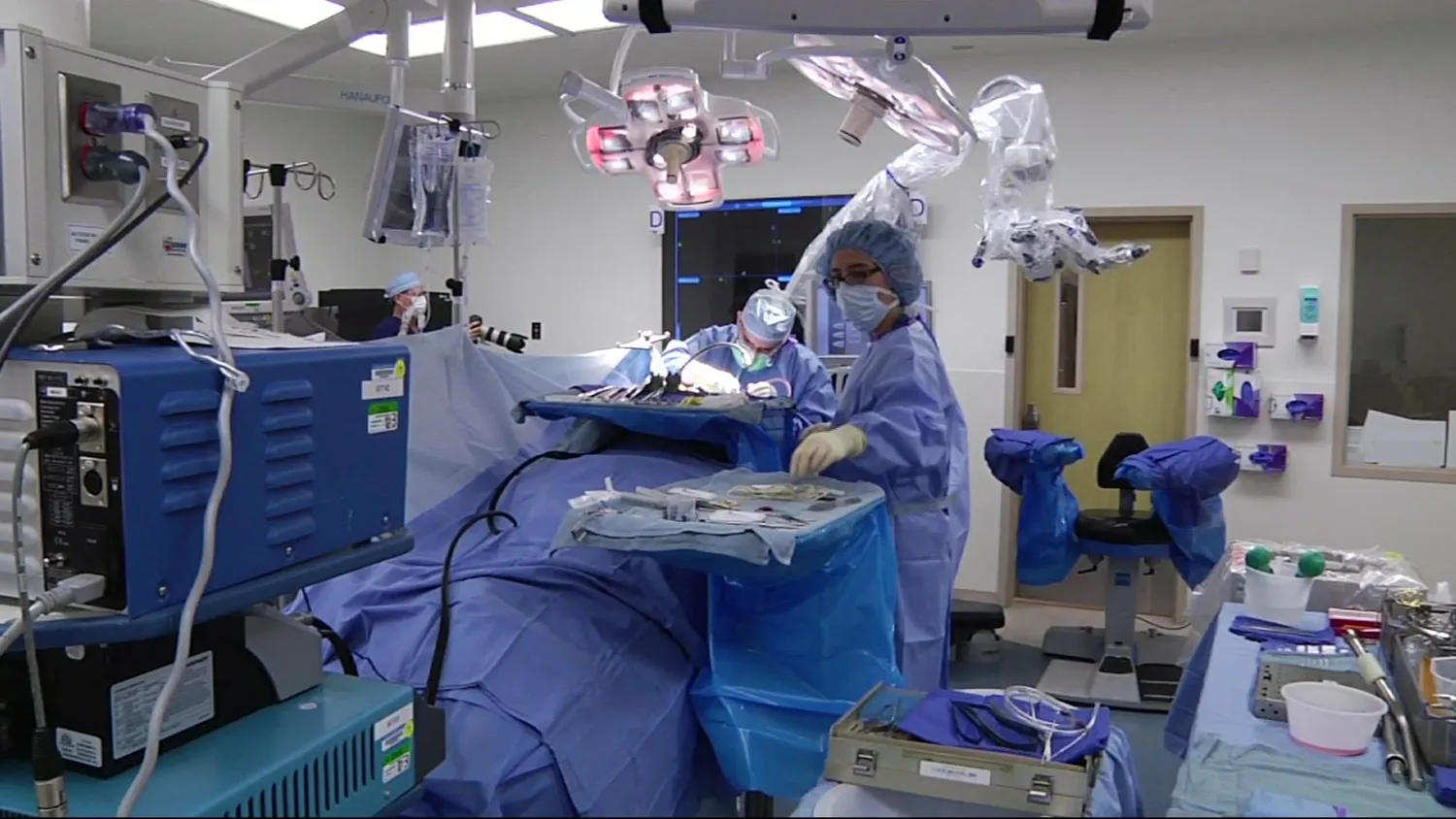
Advances in Personalized Gene Therapy Treatments for Cancer
Next-generation sequencing technologies have enabled unprecedented insights into the genomic alterations that drive cancers. By decoding a tumor's DNA and RNA blueprint, oncologists can now identify the specific genetic mutations fueling an individual patient's cancer. This personalized view of the molecular underpinnings of disease has major implications for tailoring therapies to target each patient's unique cancer vulnerabilities. Gene therapy is emerging as one promising approach for developing such personalized treatments by precisely delivering corrective genes to remedy genetic defects driving tumor growth and evolution.
Targeting Driver Mutations with Corrective Genes
One strategy for Personalized Gene Therapy Treatments for Cancer involves supplementing defective or missing tumor suppressor genes that normally act to restrain cancer formation and progression. For instance, a significant portion of pancreatic cancers have lost function of the CDKN2A gene, which encodes proteins that brake the cell cycle and promote cellular senescence. In mouse models, delivering a functional copy of CDKN2A using an adenovirus vehicle significantly suppressed pancreatic tumor growth. Ongoing clinical trials are now evaluating the safety and efficacy of CDKN2A gene therapy in pancreatic cancer patients. Similarly, researchers are working to restore the function of other commonly mutated tumor suppressor genes like p53 and BRCA1/2 through precise gene delivery approaches.
Another avenue exploits cancers' reliance on specific oncogenes, or cancer-causing genes, for continued survival and proliferation. Promising preclinical studies show that directly inactivating mutant oncogenes driving disease can stall or even reverse tumor development. For instance, researchers used CRISPR gene-editing technology to disrupt the EML4-ALK fusion oncogene found in a subset of non-small cell lung cancers. This selectively eliminated EML4-ALK-driven cancer cells in model systems and improved survival in mouse xenograft studies. Emerging clinical trials will test whether such oncogene-targeting gene therapies can yield benefits for subsets of cancer patients.
Overcoming Delivery Challenges
While the potential of Personalized Gene Therapy Treatments for Cancer is immense, significant hurdles around safe and effective in vivo gene delivery still remain. Viruses are highly efficient at transducing genes into host cells but evoke undesirable immune responses and carry insertional mutagenesis risks. Non-viral methods alleviate these concerns but generally achieve lower transduction levels. Researchers are actively optimizing various viral and non-viral vector systems like adeno-associated viruses, nanoparticles, and cell-penetrating peptides to balance transduction potency, cargo capacity, and safety.
Another avenue pursues ex vivo engineering of patient-derived immune cells or stem cells as "biobridges" to transport therapeutic transgenes selectively to tumor sites. Early-phase clinical trials demonstrate promise for autologous T cells and mesenchymal stem cells genetically modified outside the body to seek and destroy cancerous lesions. Advancing developmental approaches that minimize off-target effects while maximizing therapeutic index will be key to realizing personalized gene therapy's potential to radically transform cancer care.
Combining with Immunotherapies
Besides directly correcting the genomic defects driving cancers, gene therapy shows promise for augmenting other cutting-edge treatment modalities like cancer immunotherapies. For example, arming T cells with "armored" CARs encoding tumor-recognizing antigens and immune co-stimulatory molecules generates potent living drugs that precisely home in on and destroy cancers. Similarly, introducing genes encoding ligands that activate immune checkpoint receptors like 4-1BB and CD40 can turbocharge unmodified T cells to overcome tumor-enforced immune suppression mechanisms. Preliminary clinical evidence hints at synergies when combining personalized gene-engineeredCAR- T cells or armed T cells with checkpoint inhibitors that further take the brakes off anti-tumor immunity. Looking ahead, continuouscombinatorial approaches leveraging the unique strengths of gene therapy, immunotherapy and other treatments may offer the best odds of conquering cancer.
Reimbursement and Regulatory Hurdles Remain
While scientific progress in personalized gene therapies for cancer care advances rapidly, logistical challenges around regulatory approval pathways, manufacturing complexities, cost and reimbursement still impede reaching patients. New guidelines from regulatory agencies streamline oversight for cell and gene therapies developed using patient-donated materials. However, the costly and lengthy evaluation mandated for novel medical technologies persists.
Ensuring equitable patient access also poses difficulties. Gene therapies often entail one-time, high-price procedures for manufacturing and administering customized treatments on a per-patient basis. Traditional health plans balk at high upfront costs despite potentially reduced long-term expenditures from curing rather than chronically treating diseases. Innovative reimbursement and access models must evolve to close this innovation-access gap. With continued efforts to simplify manufacturing, drive down costs and establish viable payment frameworks, personalized gene therapies may eventually achieve mainstream status as a mainstay of precision oncology. Ultimately, overcoming these remaining logistical barriers will determine how soon the transformative promise of gene-based cancer therapies becomes reality for patients in need.
Get More Insights On Personalized Gene Therapy Treatments for Cancer
About Author:
Money Singh is a seasoned content writer with over four years of experience in the market research sector. Her expertise spans various industries, including food and beverages, biotechnology, chemical and materials, defense and aerospace, consumer goods, etc. (https://www.linkedin.com/in/money-singh-590844163)