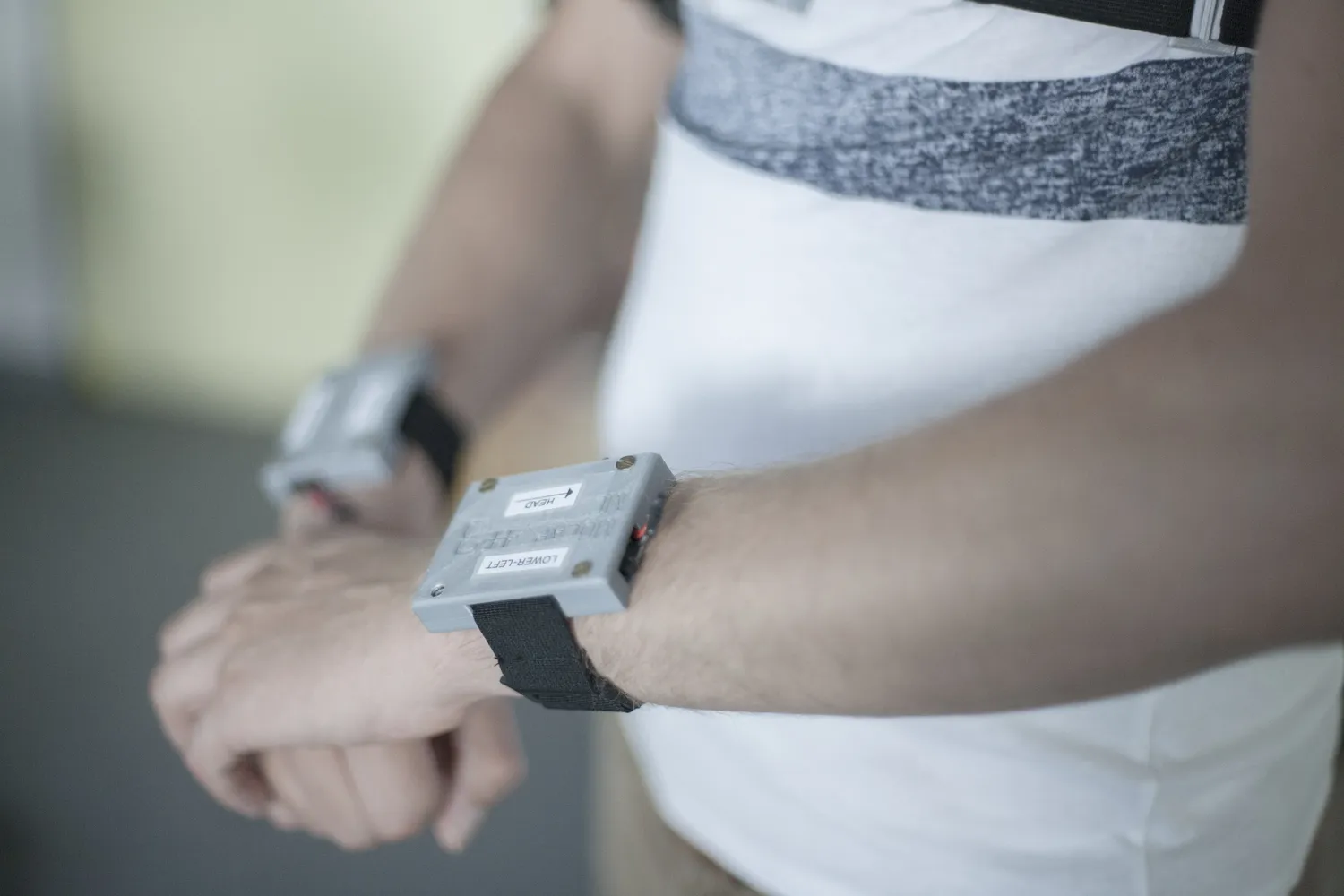
The Evolution of Wearable Technology
Wearable sensors have come a long way since the simple pedometers of the 1980s. Early versions functioned primarily as activity trackers, counting steps and estimating calories burned. Today's wearables can monitor a wide range of vital signs and metrics in real-time. From heart rate and blood oxygen levels to sleep patterns and daily movement, advanced sensor technologies have enabled unprecedented insights into both personal wellness and large-scale public health trends.
Heart Rate Monitoring Going Beyond Beats Per Minute
Continuous heart rate monitoring has become a core capability of most modern fitness trackers and smartwatches. However, the data gathered goes far beyond a simple beats-per-minute number. Sophisticated optical heart rate sensors can detect changes in cardio effort throughout the day and during workouts. They also provide early warnings of potential cardiovascular issues by flagging abnormal rhythms or rapid increases in resting heart rate. This type of beat-to-beat heart rate variability analysis has applications for diagnosing conditions like anxiety or sleep apnea.
Tracking More Than Just Steps
While pedometer-style step counting set the stage, today's sensors enable much richer activity profiling. Motion-detecting chips can distinguish between walking, running, cycling and other exercises to deliver more specific calorie and performance metrics. Sleep trackers utilize similar motion sensors along with heart rate data to monitor sleep stages, durations and quality over time. GPS integration also allows for mapping workout routes and distances with high accuracy. Combined, these layers of movement data open opportunities for personalized training programs and population-level studies of commute and leisure activity patterns.
Mining Biomarkers from the Wrist
Companies are working to expand the diagnostic potential of Wearable Sensors even further. Research is exploring how wrist-based optical sensors may eventually detect subtle changes in blood flow associated with medical issues like diabetes, hypertension or abnormal blood cell counts. Trials show promise for using PPG (photoplethysmography) signals to monitor blood glucose, estimate blood alcohol levels and even assess dehydration and nutrition through variations in skin properties. If regulatory approval can validate these techniques, wearables may evolve into premiere non-invasive health screening platforms.
Data Privaticy and Security Heighten with Sensitivity
Of course, as the type and sensitivity of data gathered expands, protecting user privacy grows increasingly important. Companies have faced scrutiny over transparency around what information leaves devices and who has potential access. Incidents demonstrating security vulnerabilities must be avoided to maintain trust. Overly broad data sharing could also raise legal and ethical issues, especially considering the involvement of personal medical facts. Looking ahead, balancing open research with strong individual consent and control will shape how willing consumers are to participate and how much regulatory burden the field may face.
Monetizing Insights while Empowering Users
As more health-related insights emerge, monetization strategies will also evolve. Some foresee opportunities for Wearable Sensors to collect consent-based data used to power population health initiatives or pharmaceutical research. However, users rightly expect a substantial personal benefit from sharing intimate metrics. Enabling actionable self-insights, more customized virtual and in-person care offerings, and even value-added services like insurance incentives or discounts could motivate information disclosure while prioritizing individual well-being over corporate profits. If optimized for user empowerment as well as research progress, wearables may emerge as a true paradigm shift across both medicine and wellness.
Get More Insights On Wearable Sensors
About Author
Vaagisha brings over three years of expertise as a content editor in the market research domain. Originally a creative writer, she discovered her passion for editing, combining her flair for writing with a meticulous eye for detail. Her ability to craft and refine compelling content makes her an invaluable asset in delivering polished and engaging write-ups.
(LinkedIn: https://www.linkedin.com/in/vaagisha-singh-8080b91)