
The process of moving an e-commerce site from Magento to Shopify is a key turning point in the trajectory of a maturing retail business. Although Magento allows for substantial customization, lots of store owners find themselves frustrated at some point by exorbitant operating costs, difficulty with security updates, and dependence on multiple developers for maintenance. Moving over to Shopify brings immediate relief—offering a hosted, cloud-based infrastructure that prioritizes fast page loads, effortless maintenance, and seamless scaling.
However, migrating an established e-commerce platform involves far more than moving product images and copying database files. The procedure involves moving lots of sensitive information like customer data, payment information, and lengthy lists of products in a secure manner without losing search engine optimization.
In this guide, you will explore the essential steps for executing a secure Magento to Shopify migration, protecting critical business data, maintaining customer trust, and ensuring your site retains its organic search rankings throughout the transition.
The Core Technical Challenges of E-Commerce Data Transfer
Data migration across various platforms is a technical nightmare, owing to the fact that the two platforms are built on entirely different principles when it comes to databases. Shopify employs a simplified API-first database design, while Magento is built around the complicated Entity-Attribute-Value database model.
When transferring large datasets—such as customer records, password hashes, order histories, and multi-variant SKUs—data corruption or security leaks are real risks if the migration isn't handled systematically.
Best Practices for a Secure and Seamless Migration
Successfully switching from one platform to another requires balancing backend migration of your database, as well as visual and technical aspects of SEO.
1. Pre-Migration Data Sanitization and Backup
Before starting any transfers, it is crucial to analyze your Magento database thoroughly. You need to remove all duplicate records and irrelevant entries, and also create complete backups of Magento in an encrypted format, and then finally store copies offline. Create full, encrypted offline backups of your entire Magento database and store media files to safeguard against unexpected system interruptions.
2. Secure Data Transmission and Customer Account Protection
The trust of customers depends on safety and privacy. When it comes to transmitting sensitive personal data, secure API protocols or SSH tunnels should be used. Since different providers have different algorithms for password hashing, it is essential to communicate with your customers that they will receive a secure link for the activation of their accounts on the new Shopify website.
3. Preserving Organic Equity and Site Structure
Change of platforms may lead to changes in the URL format, tags, and navigation of a website. Therefore, if a proper mapping of URL redirect strategy is not created, links that have already been indexed by Google may generate 404 errors. Cooperation with a reputable search engine optimization company in Nashville will allow you to create an accurate mapping of URL redirects, connecting every Magento URL to its respective Shopify page seamlessly. It is important to cooperate with a good SEO company that knows how to keep metadata, schema markup, and internal links intact.
4. Custom Front-End Design and Brand Execution
While backend data transfer is critical, the front-end user experience must also evolve. Many enterprise brands use a re-platforming project as an opportunity to completely modernize their digital branding.
Co-operating with a top webflow design firm within the initial phases of the UI/UX wireframing process helps the team prototype effective landing pages and storytelling designs just before converting them to Shopify templates. Choosing the best webflow development company guarantees that the brand image aligns with the quickness and safety of the checkout engine involved in the transaction.
Balancing the Move: Strategic Pros, Cons, and Common Questions
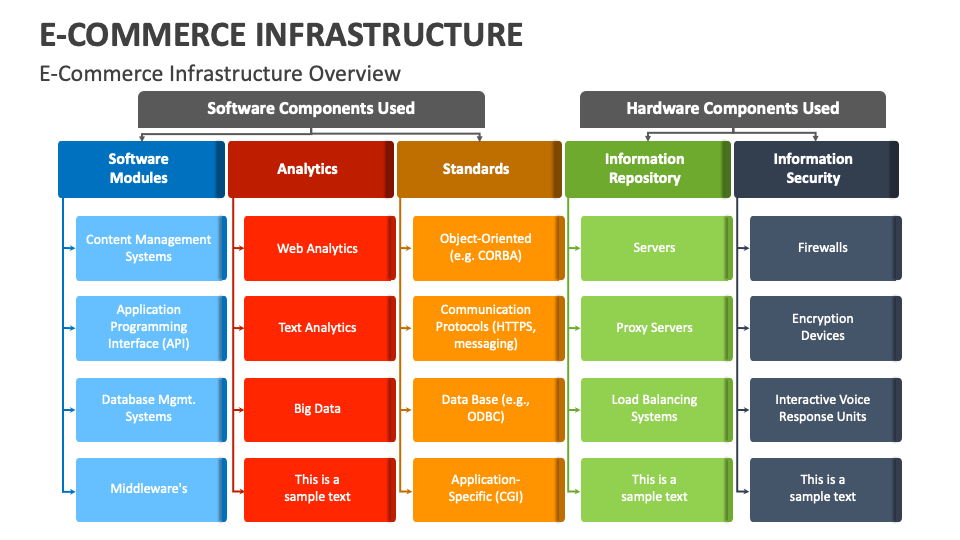
Transitioning your entire e-commerce infrastructure is a major commitment. Reviewing key benefits, operational trade-offs, and frequently asked questions helps your team set clear expectations.
Key Advantages
- Lower Operational Costs: Getting rid of the necessity of periodic updates of Magento and maintenance of the dedicated server decreases development costs considerably.
- Better Site Performance: The use of integrated cloud hosting and CDNs allows getting mobile loading times of less than one second. Higher Data
Key Considerations
- Fixed Data Schemas: Shopify's standardized database structure requires careful data mapping for highly customized Magento product attributes.
- Mandatory Account Re-Activation: Due to security encryption differences, customers must reset their passwords when logging in for the first time post-migration.
Frequently Asked Questions
How long does a typical Magento to Shopify migration take?
A full enterprise migration—covering database sanitization, 301 redirect mapping, custom theme development, and pre-launch testing—typically takes six to twelve weeks depending on catalog size and third-party integrations.
Will my historical sales and customer data transfer over?
Yes. Orders, customer records, product attributes, and transaction histories can all be securely transferred using custom API scripts or verified data migration applications.
How do we prevent our search rankings from dropping after launch?
Maintaining rankings requires a strict 1:1 URL redirect map, identical metadata preservation, and routine post-launch crawl audits. Consulting with a nashville search engine optimization company ensures that technical crawl errors are identified and corrected immediately.
Conclusion

Migrating your online store from Magento to Shopify is one of the most effective ways to reduce technical debt, improve user experience, and accelerate business growth. By prioritizing secure data transmission, thorough database sanitization, and structured redirect planning, you protect both customer trust and hard-earned search rankings.
With proper technical planning and expert execution, your brand can transition seamlessly to a modern e-commerce infrastructure built for long-term scalability and continuous revenue generation.